Sangria is a summer drink — everybody knows this. The cold pitcher version, deeply red with good Spanish wine, full of sliced oranges and lemons, sweetened with a touch of sugar, lengthened with sparkling water or lemonade, served over ice at a table in full sun — that sangria is one of the great seasonal drinks, and it belongs to warm weather the way mulled wine belongs to winter.
Warm winter sangria disagrees with that assignment entirely.
The same combination of wine, citrus, and fruit that makes cold sangria the drink of summer picnics becomes, when warmed with whole spices and held in a slow cooker at the perfect serving temperature, the drink of winter gatherings — a mulled wine that is brighter and more fruit-forward than classic mulled wine, less sweet than wassail, more complex than spiced apple cider, and with the unmistakably Spanish character of the sangria base that makes it different from anything else in the seasonal drink canon. It is not sangria served warm. It is something that uses sangria’s ingredients — wine, citrus, brandy, fruit — and produces a drink that could only exist in cold weather.
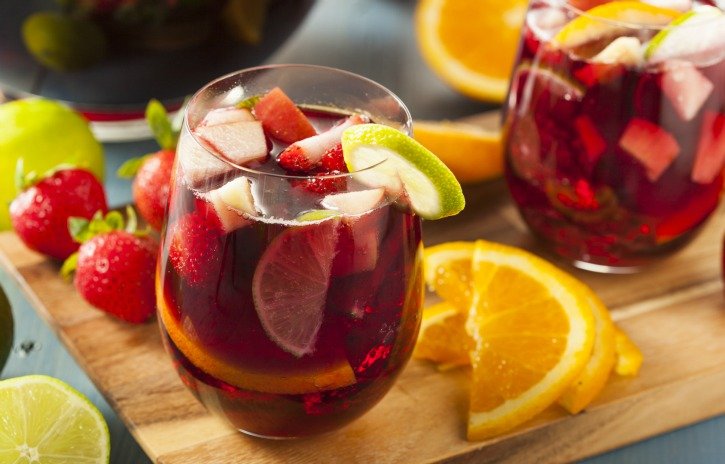
The slow cooker builds it over two to three hours with a patience that a stovetop cannot replicate: the wine and brandy and citrus and spices meld and mellow at low heat into a unified drink where no single component announces itself above the rest. The orange and cinnamon become part of the wine rather than additions to it. The brandy integrates rather than floats on top. The fruit — sliced citrus and if you like, a handful of cranberries or pomegranate seeds — becomes the visual centerpiece floating on the surface of the dark, fragrant, deeply colored drink in the slow cooker that makes every guest who walks in the door ask immediately what they are smelling.
Why Warm Sangria Works
Cold sangria works because the wine, citrus, and fruit combination is balanced in a specific way: the wine provides the body and the tannin, the citrus provides the brightness and acidity, the fruit provides color and sweetness, and the cold temperature holds all of it in refreshing tension. Remove the cold and something needs to replace what cold was providing.
Warm spices provide that replacement. Cinnamon, cloves, and star anise introduced to warm wine do something that cold temperatures and fruit alone cannot: they add aromatic complexity that bridges the wine’s tannin and the citrus’s brightness, creating a warm-weather-to-cold-weather transition that makes the drink feel suited to its season rather than simply heated. The brandy in warm sangria, which in cold sangria lengthens the drink and adds depth, serves in the warm version as a warming, spirit-forward note that integrates completely over the slow cook into the wine-spice base — not a separate alcoholic layer but a unified part of the whole.
The fruit — citrus rounds specifically, pomegranate seeds or cranberries if desired — goes into the slow cooker and gives up its juice slowly into the warm wine, contributing an underlying fruit sweetness that cold sangria gets from maceration over several hours in the refrigerator. The slow cooker replicates that maceration at a gentle temperature, achieving in two hours what the refrigerator version achieves overnight.
The result is a drink that tastes like sangria in its essential character — fruity, wine-forward, citrus-bright — but that is warm, spiced, and specifically suited to being held in both hands on a cold evening.
Choosing Your Wine
The wine is the primary ingredient and the one that most directly determines the character of the finished warm sangria. The same wine-selection logic that applies to cold sangria applies here, with one additional consideration: wines that are harsh or astringent when cold become more so when warmed. Good sangria wine does not need to be expensive — it needs to be pleasant to drink on its own.
Red wine is the classic choice and the one that produces the most deeply colored, most wine-forward warm sangria. Garnacha (Grenache) is the most traditionally Spanish and the most specifically correct — its bright red fruit notes, moderate tannin, and natural strawberry-cherry character survive warming beautifully without becoming harsh. Tempranillo, the other great Spanish red, adds more structure and earthy depth. For non-Spanish alternatives, a fruity, low-tannin red works best — Merlot, Côtes du Rhône, or a light Zinfandel. Avoid heavily tannic Cabernet Sauvignon or Barolo — their tannins amplify with heat and produce an astringent, drying finish.
White wine sangria — made with a crisp, fruity white — is an underappreciated variation that produces a lighter, more delicate warm drink. Verdejo, Albariño, or a Pinot Grigio work well. White warm sangria, finished with sliced pear and apple rather than oranges and cranberries, is a genuinely beautiful winter drink that is less expected and more interesting than the red version for guests who have encountered warm red sangria before.
Rosé wine splits the difference — the color is a warm amber-pink, the tannins are minimal, and the fruit character is brighter and more delicate than red. Warm rosé sangria is not a common drink but it is an excellent one.
The price point. A bottle in the eight to fifteen dollar range is the correct investment for a sangria wine — enough quality to contribute genuine wine flavor to the finished drink, not so much that the spices and citrus feel like a waste of a good bottle. The additional flavor contributors (brandy, citrus, spices) carry a wine of this quality to a finished drink that consistently exceeds its ingredient cost.
The Brandy
Brandy is the traditional spirit in Spanish sangria, and in the warm winter version it serves a more prominent role than in the cold pitcher version.
Spanish brandy — Brandy de Jerez, the most authentic option — is aged in Sherry casks and has a deep, slightly sweet, almost caramel quality that complements the wine and the warm spices in a way that French Cognac, while excellent, does not quite replicate. Osborne Solera is widely available and genuinely good.
French Cognac or Armagnac is the most elegant option and the one that produces the most refined warm sangria. VS Cognac is the appropriate grade — VSOP or XO are wasted in a spiced slow cooker batch.
Standard grocery store brandy — any decent brandy in the twelve to eighteen dollar range — is perfectly correct. Brandy is the most forgiving spirit for this application because the wine and spices provide so much of the flavor architecture.
The quantity. A quarter to a half cup for a full bottle of wine is the standard range. More brandy produces a more spirit-forward, stronger drink. Less produces a drink where the wine is more clearly the primary note. The slow cooker’s low temperature preserves a significant proportion of the brandy’s alcohol — unlike the hot toddy’s whiskey, brandy in the last 30 minutes of a slow cook on LOW retains most of what it started with.
Orange liqueur as supplement. Two tablespoons of Cointreau or Grand Marnier added alongside the brandy amplifies the orange note in the drink and adds a citrus-forward brightness that suits the warm sangria format particularly well.
The Fruit and Citrus
Fruit in warm sangria is not the same category as fruit in cold sangria. Cold sangria fruit macerates over hours in the refrigerator and becomes the drink’s most impressive visual element — sharp-edged, colorful slices that look beautiful in a glass pitcher. Warm sangria fruit has a different role: it gives up its juice into the warm wine base during the slow cook, contributing flavor rather than visual drama (though visual drama is achievable as well).
Orange is the essential fruit — sliced into thin rounds with the peel intact, added directly to the slow cooker. The peel releases its essential oils into the warm wine throughout the cook. The juice of the orange, released as the slices warm and soften, adds the signature citrus note of sangria. One large orange, sliced into rounds, is the starting point.
Lemon — half a lemon, sliced into rounds — adds brightness and acidity that keeps the warm sangria from tasting simply of warm red wine. The lemon’s sharper acidity is the counterbalance to the sweetness of the orange and the brandy.
Cranberries — a handful of fresh or frozen — add tartness, a striking visual contrast against the dark red wine, and a seasonal specificity that makes this unmistakably a winter drink. They bob on the surface throughout the cook and, by the time the drink is served, have softened slightly and bled a deep ruby color into the wine.
Pomegranate seeds — scattered over the surface — are the most visually spectacular garnish for warm sangria. They hold their shape in the warm wine, gleam ruby-red against the dark liquid, and contribute a tart, fruity note as they slowly release their juice.
Apple — half an apple, cored and thinly sliced — adds a gentle, sweet fruit note that is particularly well-suited to the white wine version but works quietly in the red version as well. The apple softens over the slow cook but holds its shape better than citrus.
The Sweetener
Warm sangria needs careful sweetening — the wine and the brandy are already complex, and the spices add aromatic warmth, and the citrus adds brightness. The sweetener’s job is to bridge and balance rather than to dominate.
White sugar — two to three tablespoons, dissolved into the wine at the start — is the most neutral choice and the one that produces the clearest, most wine-forward result.
Brown sugar — the same quantity — adds a molasses depth that suits the cinnamon and clove in the spice blend. Warm, caramel-toned sweetness that makes the drink feel more rounded.
Honey — two tablespoons, added at the KEEP WARM stage rather than the start — adds a floral sweetness that is excellent with the orange and the wine. The late-addition principle applies here as with every other recipe in this series.
Port wine — a splash of ruby Port added to the slow cooker — sweetens through its own natural sugar and adds a deep, fortified wine note that suits the warm format particularly well. Two to three tablespoons is sufficient.
The unsweetened option. A dry, fruity wine with quality brandy and citrus in warm sangria often needs very little added sugar — the fruit contributes natural sweetness, the brandy adds its own, and the warming spices add aromatic sweetness that registers as sweetness without coming from sugar. Taste before adding any sweetener and add only what is needed.
The Spice Blend
The spice blend in warm sangria is deliberately lighter than in mulled wine — this is not the same drink. Mulled wine’s assertive spice blend is intended to dominate and transform the wine. Warm sangria’s spice blend is intended to support and deepen the wine while keeping the citrus-fruit character of sangria’s identity intact.
Cinnamon sticks — two — add warmth and sweetness without dominance. Two sticks for a full bottle of wine is conservative and correct for a sangria where the wine needs to remain primary.
Whole cloves — four, not six — are used more sparingly than in the mulled wine or wassail tradition precisely because the tannins in red wine amplify the clove’s astringency. Four cloves add depth; more creates a sharp, medicinal note that fights the wine’s character.
Star anise — one — adds its characteristic anise note subtly. One star anise in a full bottle of wine contributes a background note, not a foreground one.
A cinnamon stick and a vanilla bean together — for a sweeter, more aromatic, Mexicana-influenced version — is the variation that transforms warm sangria into something slightly different and equally excellent.
Fresh thyme or rosemary — optional, one sprig, added for the final 20 minutes only — is the herbal variation that occurs most frequently in contemporary Spanish cooking. Rosemary in warm red sangria adds a piney, resinous note that is polarizing but interesting. Remove after 20 minutes; over-extracted rosemary becomes medicinal.
Tips for Perfect Slow Cooker Warm Winter Sangria
1. Use a wine you would drink on its own. The slow cooker and spices improve a decent wine but cannot rescue a bad one. A harsh, tannic, unpleasant wine heated with spices becomes a harsh, tannic, unpleasant warm drink. The eight to fifteen dollar range produces excellent warm sangria. Any lower and the wine becomes the limiting factor.
2. Add the brandy at the 2.5-hour mark — not at the start. Brandy added at the start of a three-hour slow cook loses alcohol and aromatic character to evaporation. Added in the final 30 to 40 minutes on LOW or KEEP WARM, it retains most of its character and integrates fully without cooking off.
3. Use a low-tannin red wine. High tannin wines — Cabernet Sauvignon, Syrah at its most tannic, Barolo — have their tannin amplified by heat. The result is an astringent, drying finish that no amount of sugar corrects. Choose Garnacha, Tempranillo, Merlot, or any fruity, medium-tannin red.
4. Do not boil. Boiling evaporates alcohol, drives off the wine’s aromatic compounds, and concentrates the tannins. The LOW setting holds the sangria at the ideal serving temperature. If bubbling begins at the edges, switch to KEEP WARM.
5. Count the cloves — use fewer than other warm drinks. Four cloves for warm sangria versus six to eight for mulled wine or wassail. The tannins in red wine interact with clove’s extracting compounds more aggressively than a non-wine base does. Conservative clove use is essential here.
6. Float the garnish deliberately. Orange rounds, cranberries, and pomegranate seeds arranged on the surface of the sangria in the slow cooker transform the vessel into a centerpiece. This costs nothing and takes one minute.
7. Strain or not — a personal choice. Warm sangria can be served with the fruit and citrus in the slow cooker (rustic, abundant, festive) or strained before serving (elegant, cleaner presentation in the glass). The fruit pieces become soft and saturated with wine during the cook — beautiful in the slow cooker but not what you want fishing out of a glass with your fingers. A fine mesh strainer for per-glass straining at serving is the practical middle ground.
8. Taste at the 2-hour mark. The balance between sweetness, tartness, wine, and spice can be adjusted before serving. More sugar if the citrus tartness dominates, a squeeze of additional orange juice if more fruit brightness is needed, an extra cinnamon stick for more spice warmth.
Serving the Warm Sangria
Warm sangria is a dinner party drink — it suits a table as well as a cocktail hour and works from aperitivo through dessert in a way that few warm drinks manage.
For a dinner party. The slow cooker sits on the sideboard or bar, the garnish floats on the surface, and guests serve themselves before and between courses. A ladle, glasses that are heat-safe (ceramic mugs work; thin wine glasses do not — thermal shock), and a small bowl of extra cranberries and orange slices for individual garnishing.
For a cocktail party. Same setup as every other warm drink in this series — self-serve, slow cooker tending itself, host freed from bartending. The visual impact of warm dark sangria with floating fruit in a slow cooker on a bar table is immediately festive.
Glassware. Heat-safe glass mugs or ceramic mugs are the most practical vessel. Spanish terracotta tumblers — small, round, thick-walled — are the most authentic and make an extraordinary presentation piece for a Spanish-themed gathering. Standard wine glasses can be used if the sangria is ladled at drinking temperature (not scalding) — the thermal shock risk is manageable if the glasses are at room temperature.
The Complete Table
Food pairings:
- Manchego and membrillo — the most specifically Spanish pairing possible
- Jamon Iberico or prosciutto — the sangria’s citrus cuts the richness perfectly
- Albondigas (Spanish meatballs in tomato sauce) — warm sangria is the correct drink alongside warm tapas
- Patatas bravas — fried potato and warm spiced wine is a deeply satisfying combination
- Churros with chocolate dipping sauce — for a dessert pairing that leans into the Spanish origins
- Dark chocolate — the tannins in the wine and the bitterness of the chocolate are complementary
Occasions:
- Christmas dinner aperitivo — the warm sangria that greets guests before the main event
- New Year’s Eve gathering — a sophisticated warm cocktail for the midnight hour
- Spanish-themed dinner party — the drink that ties the meal together
- Tapas night at home — the most natural pairing in this entire list
- Winter date night — warm sangria for two, made in a small slow cooker or a small saucepan
Non-alcoholic version:
- Replace the wine with equal parts purple grape juice and cranberry juice
- Replace the brandy with a splash of balsamic vinegar (one tablespoon) and orange juice
- Keep all spices and citrus identical
- The result is a deeply colored, warm spiced fruit punch that is complete and non-alcoholic
The Day-After Warm Sangria Uses
Leftover strained warm sangria — wine, citrus, spice — is a cooking liquid of genuine versatility. Reduced in a saucepan to half its volume, it becomes a red wine and citrus reduction for pork tenderloin, duck breast, or pan-seared lamb chops — one of the best pan sauces in the cold-weather kitchen, produced from last night’s party drink. Combined with beef stock and a knob of butter, reduced further, it becomes a braising liquid for short ribs that is extraordinary. Chilled and poured over ice with sparkling water and a squeeze of fresh orange, it becomes a cold sangria punch of specific excellence — the spices that were in the warm version come through as a subtle, interesting complexity in the cold one. Poured into ice cube trays and frozen, the cubes can be added to a glass of red wine on a weeknight for a sangria effect with no preparation at all.
Easy Variations
- White winter sangria. Replace the red wine with Albariño or Verdejo. Replace the cranberries with sliced green apple and pear. Use one cinnamon stick and omit the cloves entirely — white wine requires a lighter hand with spice. Add a sprig of fresh rosemary for the final 20 minutes. The result is elegant, pale golden, and completely different in character from the red version.
- Sparkling sangria finish. Make the warm sangria, strain, and cool completely. Combine three parts cold sangria with one part chilled cava or Prosecco per glass for a sparkling cold version. The spiced warm base produces a cold sparkling sangria with more complexity and depth than any room-temperature batch sangria.
- Pomegranate sangria. Replace half the cranberry juice (if using) with pomegranate juice. Add pomegranate molasses — one tablespoon — to the slow cooker alongside the sugar. The pomegranate version is the deepest in color, most complex in fruit flavor, and most dramatically beautiful of the variations.
- Chocolate orange sangria. Add one tablespoon of good quality cocoa powder and one tablespoon of orange marmalade to the slow cooker alongside the wine. The cocoa adds a background bitterness that deepens the wine’s character and makes the orange note feel warmer and richer. Particularly good with dark chocolate served alongside.
- Mulled wine sangria hybrid. Increase the cloves to six, add two more cinnamon sticks, and add two cardamom pods. The spice blend shifts from sangria-weight toward mulled wine-weight, producing a hybrid drink that sits between the two traditions. For those who find standard warm sangria too subtle in its spice and standard mulled wine too dominant.
Make-Ahead and Storage
Make-ahead: The warm sangria base — wine, citrus, sugar, and spices, without the brandy — can be assembled in the slow cooker up to a day ahead and refrigerated. On the day, set the slow cooker to LOW and reheat for one to one and a half hours before adding the brandy in the final 30 minutes.
Refrigerator: Strained leftover warm sangria keeps in an airtight container for up to four days. The wine continues to integrate with the spice and citrus flavors during refrigeration — Day 2 cold sangria from the leftover warm version is often more interesting than a cold sangria made from scratch. Serve cold over ice with sparkling water.
Freezer: Strained sangria freezes in ice cube trays for up to two months. Use the cubes to add sangria flavor to a glass of wine, drop them into sparkling water for a flavored spritz, or use them as the liquid base for a red wine pasta sauce. The alcohol prevents solid freezing — the cubes remain slightly slushy, which is normal.
Keeping warm at a party: Once the brandy is added, hold on KEEP WARM for no more than two hours for the best flavor retention. For longer parties, add the brandy per glass from a bottle alongside — the spiced wine base holds indefinitely on KEEP WARM after the spices are removed at the four-hour mark.
Shopping List
The Sangria Base
- 1 bottle (750ml) fruity red wine — Garnacha, Tempranillo, or Merlot
- ¼ cup (60ml) brandy — Spanish brandy or Cognac, added at the 2.5-hour mark
- 2–3 tbsp sugar, brown sugar, or honey (to taste)
- ½ cup (120ml) fresh orange juice (about 1 large orange)
The Spice Blend
- 2 cinnamon sticks
- 4 whole cloves
- 1 whole star anise
- 2–3 thin slices fresh ginger (optional)
The Fruit and Citrus
- 1 large orange, sliced into ¼-inch rounds
- ½ lemon, sliced into ¼-inch rounds
- Handful of fresh or frozen cranberries
- Pomegranate seeds for garnish (optional)
For Serving
- Extra orange slices and cranberries for the surface
- Heat-safe glass mugs or ceramic mugs
- Cinnamon sticks for garnish
Slow Cooker Sangria (Warm Winter Version)
One bottle of fruity Spanish red wine — Garnacha or Tempranillo — slow-cooked on LOW for 2 to 3 hours with cinnamon sticks, whole cloves, star anise, orange and lemon rounds, cranberries, and a splash of fresh orange juice, sweetened lightly with brown sugar and brightened with citrus. Brandy added in the final 30 minutes to preserve its character and integrate into the spiced wine base. Served from the slow cooker in ceramic mugs or heat-safe glasses with cranberries and pomegranate seeds floating on the surface. The drink that is neither mulled wine nor cold sangria but something more interesting than either — warm, fruit-forward, spiced with a light hand, and unmistakably Spanish in character.
- Total Time: 2 hours 40 minutes
- Yield: 4–6 servings (one bottle of wine) 1x
Ingredients
The Sangria Base
- 1 bottle (750ml) fruity red wine (Garnacha, Tempranillo, or Merlot)
- ½ cup (120ml) fresh orange juice (about 1 large orange)
- 2–3 tbsp brown sugar or honey (to taste)
The Spice Blend
- 2 cinnamon sticks
- 4 whole cloves
- 1 whole star anise
- 2–3 thin slices fresh ginger, peeled (optional)
The Fruit and Citrus
- 1 large orange, sliced into ¼-inch rounds
- ½ lemon, sliced into ¼-inch rounds
- Handful of fresh or frozen cranberries
The Spirit (added late)
- ¼ cup (60ml) brandy or Cognac — added at the 2.5-hour mark
For Serving
- Extra cranberries and orange slices for the surface
- Pomegranate seeds (optional garnish)
- Cinnamon sticks per mug
Instructions
- Build the base. Pour the red wine and fresh orange juice into the slow cooker insert. Add the brown sugar or honey and stir briefly to begin dissolving. Add the cinnamon sticks, cloves, star anise, and ginger slices if using.
- Add the fruit. Lay the orange rounds and lemon rounds on the surface of the wine. Add the handful of cranberries. They will float and slowly release their color and tartness into the wine throughout the cook.
- Cook. Set the slow cooker to LOW and cook for 2 to 2.5 hours, until the wine is steaming, deeply fragrant, and the cranberries have softened and colored the wine around them. Do not allow to boil. Switch to KEEP WARM if the wine begins bubbling vigorously.
- Add the brandy. At the 2.5-hour mark, pour in the brandy. Stir gently to combine. Cook on LOW or KEEP WARM for a further 20 to 30 minutes to allow the brandy to integrate without losing its character.
- Taste and adjust. Before serving, taste and adjust: more sugar or honey if tartness from the citrus is too sharp, a squeeze of fresh orange juice if more fruit brightness is needed, an extra cinnamon stick if the spice is too subtle for preference.
- Remove spices. After 3 to 4 total hours, remove and discard the cinnamon sticks, cloves, star anise, and ginger. Leave the fruit rounds and cranberries for presentation if desired, or strain for a cleaner pour.
- Serve. Ladle into heat-safe glass mugs or ceramic mugs. Scatter fresh pomegranate seeds and a few cranberries over the surface in the slow cooker for presentation. Garnish each mug with a cinnamon stick and an orange wheel on the rim. Serve immediately.
Notes
- Fruity, low-tannin red wine is essential. Heavily tannic wines — Cabernet Sauvignon, Barolo, Syrah at its most structured — have their astringency amplified by heat and produce a drying, harsh warm drink regardless of how much sugar is added. Garnacha is the most specifically correct choice. Tempranillo, Merlot, or Côtes du Rhône are excellent alternatives. The wine should be pleasant to drink at room temperature.
- Brandy goes in at the 2.5-hour mark. Brandy in the slow cooker for the full three hours loses alcohol and aromatic character to evaporation. Added in the final 20 to 30 minutes on LOW or KEEP WARM, it retains most of its warmth and flavor and integrates completely into the wine-spice base.
- Four cloves — not more. Wine tannins amplify clove’s extracting compounds more aggressively than water-based drinks. Four cloves produce depth without astringency. Six produce a sharp, medicinal note that fights the wine.
- Do not boil. Boiling concentrates tannins, evaporates alcohol, and reduces the fruit’s fresh character to cooked jam. The LOW setting holds the sangria at the ideal serving temperature throughout. KEEP WARM is the correct setting once the brandy is added.
- The fruit is both flavor and garnish. Orange rounds and cranberries in the slow cooker contribute flavor during the cook and make the presentation immediately festive. Float extra cranberries and pomegranate seeds on the surface before guests arrive — the visual of dark red wine with ruby fruit and a cinnamon stick is specifically beautiful.
- Strain or serve with fruit — both are correct. Strained warm sangria poured through a fine mesh ladle is cleaner and more elegant in the glass. Served with the softened fruit still floating is more rustic and generous. Neither is wrong. The choice is the host’s.
- This is not mulled wine. The spice blend is intentionally lighter — two cinnamon sticks and four cloves versus mulled wine’s more assertive quantity. The fruit and citrus are the primary flavor contributors, with the spices as support. If more spice depth is desired, the mulled wine sangria hybrid variation is the correct adaptation.
- Prep Time: 10 minutes
- Cook Time: 2.5–3 hours (on LOW)
- Category: Drinks, Wine
- Method: Slow Cooking
- Cuisine: Spanish
- Diet: Dairy-Free, Gluten-Free, Vegan
Frequently Asked Questions
Is warm sangria just mulled wine? No — and the distinction is worth understanding because it is the reason to make warm sangria rather than defaulting to mulled wine. Mulled wine is primarily a spiced wine drink — the spice blend is assertive and dominant, the wine is the medium through which the spices are delivered, and the character of the drink is defined by cinnamon, cloves, and star anise above the wine itself. Warm sangria is primarily a fruit-and-wine drink — the citrus, the fruit, and the wine’s own character are the primary flavors, with the spices used in a lighter hand to support and deepen without dominating. Warm sangria is brighter, more fruit-forward, more citrus-driven, and more recognizable as a wine drink than mulled wine. The Spanish character — Garnacha, brandy, orange — is present in every sip. For those who find mulled wine too spice-dominant or too sweet, warm sangria is the correct cold-weather wine drink.
What wine should I use? Garnacha (Grenache) is the most specifically correct Spanish choice — bright red fruit, moderate tannin, and a natural strawberry-cherry character that survives warming without becoming harsh or astringent. Tempranillo adds more structure and is equally authentic. For a non-Spanish alternative, Merlot or Côtes du Rhône are the closest in character — fruity, medium-bodied, and low enough in tannin that warming does not produce an unpleasant result. Avoid Cabernet Sauvignon, Syrah in its more structured forms, or any wine described as “bold” or “full-bodied” on the label — these are wines with high tannin that amplify unpleasantly with heat. The price point does not need to be high — a pleasant eight to twelve dollar bottle of Garnacha produces excellent warm sangria.
Can I make this without alcohol? Yes — the non-alcoholic version is genuinely good rather than a compromise. Replace the red wine with equal parts purple grape juice (unsweetened or lightly sweetened) and cranberry juice — the combination produces a deep ruby color and a complex, slightly tart fruit base that accepts the spice blend and citrus well. Replace the brandy with one tablespoon of balsamic vinegar plus two tablespoons of additional orange juice — the balsamic adds the acidity and depth that the brandy would contribute without any alcohol. Keep all spices, citrus, and fruit identical. The non-alcoholic version is suitable for all ages and guests and is impressive enough to serve at a party where alcohol is being offered in other formats.
How do I stop the wine from becoming too tannic when warmed? Three measures: choose a low-tannin wine in the first place (the wine selection section covers this in detail), do not boil the wine at any point (boiling concentrates tannins dramatically), and keep the cloves to four rather than the higher quantities used in other warm drinks. If the finished sangria tastes astringent despite these measures, two adjustments work: add additional sweetener (sugar suppresses tannin perception significantly) and add a splash of fresh orange juice, whose acidity rebalances the flavor profile away from the drying tannin sensation.
Can I make this in advance for a dinner party? Yes — and it is the recommended approach. Assemble the wine, orange juice, sugar, spices, and citrus in the slow cooker insert and refrigerate overnight. On the day of the party, set the slow cooker to LOW two to three hours before guests arrive. Add the brandy 30 minutes before serving. The advance assembly takes ten minutes the night before and leaves nothing to do on the day except turn on the slow cooker. The slow cooker warms the house and fills it with the fragrance of warm sangria for the two hours before anyone arrives — which is, in itself, an act of hospitality.
What glasses or mugs work best for warm sangria? Heavy ceramic mugs are the most forgiving — they retain heat well, handle thermal shock without risk, and feel substantial in the hand. Heat-safe glass mugs or double-walled glass cups allow the deep ruby color of the sangria to be visible, which is worth the slight extra care required. Spanish terracotta tumblers — small, thick-walled, and traditional — are the most authentically appropriate vessel and make a beautiful table presentation. Standard wine glasses can be used with care — ladle at serving temperature rather than scalding, ensure the glasses are at room temperature rather than cold from the cabinet, and serve immediately. Very thin-walled glasses should be avoided — the thermal shock risk is real and the consequence is glass breaking in the guest’s hand.
How long does the party batch stay good on KEEP WARM? The strained base — spices removed, brandy added — is best within two hours of the brandy going in, after which the alcohol continues to evaporate slowly and the flavor of the brandy diminishes. For parties longer than two hours after the brandy addition, use the per-glass method: keep the spiced wine base on KEEP WARM and offer brandy alongside for individual pours of one to two tablespoons per glass. This approach preserves the brandy’s character for every glass poured throughout the evening and keeps the base warm and stable indefinitely after the spices are removed.