
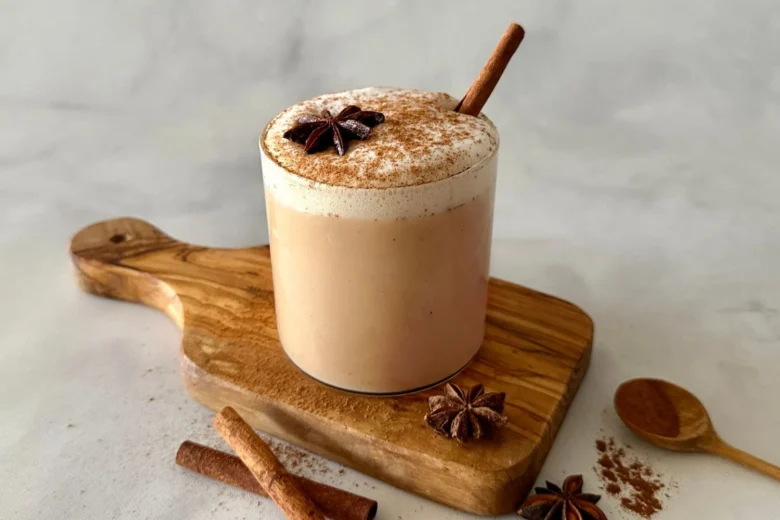
There is a version of chai that you get from a coffee shop — sweet, milky, occasionally made with a syrup that came from a plastic bottle, served in a paper cup at a temperature that drops too quickly and a price that rises every year. It is fine. It is not what chai is.
The real thing is a drink that has been made in South Asian kitchens for centuries: black tea simmered with whole spices — cardamom, ginger, cinnamon, cloves, black pepper — steeped until the tea is strong and the spices have fully bloomed into the liquid, then finished with milk and sweetened with sugar or honey to taste. It is warming in a way that goes beyond temperature. The cardamom adds a floral, citrusy lift. The ginger adds a clean, building heat. The black pepper adds a warmth that is felt at the back of the throat. The cinnamon adds sweetness and body. The cloves add depth. Together they produce something that is simultaneously stimulating and comforting — a drink that wakes you up and settles you down at the same time.
The slow cooker version of chai tea latte is not the traditional stovetop method — that method, which takes 15 minutes of attentive simmering, produces an excellent cup. What the slow cooker produces is something different and in its own way better: a batch drink, slow-infused over two to three hours, in which the whole spices have had enough time to fully release every aromatic compound they contain into a milk-and-tea base that has absorbed everything gradually and completely. The result is chai with a depth and integration that the stovetop method, good as it is, cannot quite match. It is also the version that fills the house with an aroma from the moment it starts that is indistinguishable from the smell of a good thing about to happen.
For one person on a cold morning, the stovetop. For a gathering, a brunch, a party, or a week of reheated mornings — the slow cooker.
Why the Slow Cooker Makes Better Batch Chai
Chai is a drink built on spice extraction — the process of drawing aromatic compounds out of whole spices into a liquid base over time and heat. The quality of the finished drink is directly tied to how completely and evenly that extraction occurs.
The stovetop method works because the sustained simmer provides consistent heat and agitation that draws the spices out relatively quickly. It is excellent for a single cup or a small pot made to order. Its limitation is that the same heat that extracts the spices also evaporates the milk’s delicate aromatic compounds and, if held too long, drives off the most volatile top notes from the spices themselves — the first thing you lose when you over-boil a pot of chai is the bright, floral quality of the cardamom.
The slow cooker holds the liquid at a sustained 160°F to 180°F (71°C to 82°C) — warm enough for full extraction over an extended period, cool enough to never boil the milk or volatilize the delicate aromatic compounds that define good chai. The cardamom blooms completely and then holds at full expression rather than boiling off. The ginger infuses gradually and builds depth rather than sharpness. The tea steeps without bitterness because it never exceeds the temperature at which black tea tannins over-extract aggressively.
The result, after two to three hours, is a chai latte with a depth and roundness of spice that is genuinely different from the stovetop version — not better in every circumstance, but better for a batch that will be served over hours and held warm for guests or for a week of morning cups reheated from the refrigerator.
Choosing Your Tea
The tea base is the foundation of chai — the spices are its defining character, but without a strong, assertive black tea underneath, the drink becomes a spiced milk rather than a chai.
Assam black tea is the most traditional choice and the correct one for authentic masala chai flavor. Assam tea is grown in northeastern India, is malty, robust, and full-bodied, and holds up entirely under the weight of the spice blend and the milk. It does not get lost. Its characteristic maltiness complements the warming spices in a way that lighter teas do not.
Darjeeling black tea is the alternative for those who prefer a lighter, more floral base. Darjeeling has a delicate muscatel quality that interacts with the cardamom and cinnamon in an interesting way, though its subtlety is partially overwhelmed by a full-strength spice blend. For Darjeeling chai, reduce the cloves and black pepper slightly to let the tea’s character come through.
English Breakfast or Irish Breakfast tea — the standard grocery store black tea blends — work well and produce an excellent everyday batch chai. They are typically blends of Assam, Ceylon, and other robust teas, and their consistent strength and accessibility make them the practical default for most home batches.
Loose leaf vs tea bags. Loose leaf tea produces a more complex, better-flavored chai — the larger surface area of whole or broken leaf tea releases its compounds more gradually and completely than the dust and fannings typical in tea bags. If loose leaf is available, use 3 tablespoons for a full batch in a small muslin bag or a tea ball. If tea bags are the available option, use six to eight bags — more than you think — for a full batch of chai that can hold its own against the spice blend.
Steeping time matters. Black tea over-steeped becomes bitter — the tannins extract aggressively at higher temperatures and after extended time. For slow cooker chai, the tea bags or loose leaf tea should be added after the spices have infused for the first hour and then removed after 20 to 30 minutes of steeping. This prevents bitterness while ensuring a strong enough tea base. The spices remain for the full cook; the tea has a defined and shorter window.
The Spice Blend
Masala chai’s spice blend — masala simply means spice blend — is not a fixed formula. Every household, every regional tradition, every cook in South Asia has a version. The proportions shift. The spices vary. Ginger is universal; cardamom is near-universal; everything else is negotiable. What follows is a well-balanced blend for slow cooker chai latte that works for Western palates while respecting the principles of the original.
Green cardamom pods are the defining spice of masala chai — the aromatic that, above all others, makes it identifiable as chai. They should be used in quantity: ten to twelve pods for a full batch, lightly crushed to expose the seeds inside. Crushing is not optional — a whole uncrushed cardamom pod extracts very slowly over several hours and contributes a fraction of what a crushed pod releases in thirty minutes. Press each pod firmly with the flat side of a knife until it cracks and the seeds are visible. The result should be fragrant the moment the pods are cracked.
Fresh ginger root — a generous thumb-sized piece, sliced into thin rounds — is the second non-negotiable spice. Fresh ginger and dried ground ginger are genuinely different ingredients in their aromatic profiles: fresh ginger is bright, clean, and spicy with a citrusy edge; ground ginger is warmer, more muted, and slightly sweeter. For slow cooker chai, fresh ginger is the correct form — it blooms slowly and builds the kind of clean, building heat that defines the ginger note in great chai.
Cinnamon sticks — two, or three for a more pronounced cinnamon note — add warmth, sweetness, and body. Ceylon cinnamon is more delicate and floral; Cassia cinnamon is more assertive and the standard supermarket variety. Cassia’s stronger character holds up well in a spice blend of this intensity.
Whole cloves — four to six — add dark, aromatic depth. The same caveat from the wassail and spiced cider posts applies: cloves extract aggressively and should be counted carefully. Four cloves is conservative and produces a subtle clove note; six produces a more pronounced depth. Start with four for a first batch and adjust.
Whole black peppercorns — eight to ten — are perhaps the most authentically important and frequently omitted spice in Western chai recipes. Black pepper is not optional in traditional masala chai — it provides the back-of-the-throat heat that makes chai warming in a way that no other spice replicates. It does not make the chai taste of pepper. It makes it taste of chai.
Star anise — one whole, optional — adds a subtle anise note that appears in some regional chai traditions. It is not a universal ingredient but adds a layer of aromatic complexity that some recipes benefit from. Include or omit according to preference.
Ground nutmeg — a small pinch, added at the very end along with the vanilla — is a finishing spice rather than a long-infusion spice. Ground nutmeg added at the start of a two-hour slow cook loses its delicate aromatic quality over the heat. A pinch stirred in at serving adds a warm, slightly sweet finish note.
The Milk
The milk in a chai latte is not a flavoring — it is half the drink. Its fat content, its richness, and its ability to carry and soften the spice and tea flavors make it the medium through which chai becomes a latte rather than a spiced tea.
Whole milk is the traditional choice and the one that produces the fullest, creamiest, most satisfying result. The fat content carries the fat-soluble aromatic compounds from the spices and distributes them evenly through the drink in a way that lower-fat milk cannot.
2% milk produces a lighter but still excellent result. The creaminess is reduced but the flavor is largely intact.
Oat milk is the best plant-based alternative for slow cooker chai latte. Its natural starchiness and mild sweetness produce a creamy, full-bodied result that is closer to whole milk than any other plant-based alternative. It also has a natural affinity with the spices — oat milk chai is an excellent drink in its own right.
Coconut milk — the full-fat canned variety, thinned with water to a 1:1 ratio — produces the richest, most indulgent plant-based chai with a subtle coconut note that complements the spice blend. It is a more assertive flavor pairing than oat milk.
Almond milk produces a thinner, lighter result than whole milk or oat milk. It works, but requires a more generous spice blend to compensate for its lighter body.
The ratio. For a full batch of slow cooker chai latte, a 2:1 ratio of liquid to milk is the standard starting point — two parts water (for steeping the tea and spices) to one part milk added in the final thirty to forty-five minutes of the cook. This prevents the milk from scorching during the long infusion while giving it enough time to warm through, absorb the spice flavors, and produce the creamy, latte texture of the finished drink.
The Sweetener
Chai is traditionally sweetened — not optionally sweetened. Unsweetened chai is a different drink, pleasant in its own way, but the sweetness is part of the flavor architecture rather than an add-on.
White sugar is the traditional sweetener for masala chai — neutral, clean, and does not interfere with the spice flavors. Two to three tablespoons for a full batch is the starting point. Add it to the slow cooker at the beginning so it dissolves completely during the infusion.
Brown sugar adds a molasses depth that works particularly well with the cinnamon and ginger in the spice blend. A warm, slightly caramel sweetness that suits the drink.
Honey adds a floral sweetness that complements the cardamom specifically. Add it after cooking rather than at the start — honey’s aromatic compounds are heat-sensitive and the same late-addition logic as vanilla applies.
Condensed milk — a tablespoon or two per cup, stirred in at serving — is the traditional South Asian sweetening method. It adds sweetness and extraordinary creaminess simultaneously and transforms the cup into something particularly indulgent. An outstanding addition for a special occasion version.
Maple syrup — added after cooking — adds a warm, woody sweetness that is excellent with chai and more complex than white sugar. Two tablespoons for a full batch at serving temperature.
The Froth
A chai latte is technically defined by the froth — the steamed or frothed milk that crowns a coffee shop version. For the slow cooker batch version, producing a genuine froth for each cup is optional but achievable and worth the effort for special occasions.
A handheld milk frother — battery-powered, inexpensive, and universally available — dipped into a warm mug of finished chai for thirty seconds produces a light, airy foam that covers the surface of the drink and adds a textural dimension that makes it feel distinctly more like a café experience.
A blender. Ladling two cups of finished chai into a blender, covering with the lid (leaving the steam vent open), and blending for fifteen seconds produces a frothy, slightly aerated result that can be poured back into mugs with the foam intact.
An espresso machine steam wand — if available — is the most precise method for producing genuine microfoam, though it requires heating the milk separately and combining at serving.
No froth is also entirely correct. Slow cooker chai latte is excellent without it — the froth is a presentation detail rather than a flavor one.
Tips for Perfect Slow Cooker Chai Tea Latte
1. Crush the cardamom pods properly. Ten to twelve cardamom pods, lightly crushed, is the most important single step in the recipe. Whole uncrushed pods extract a fraction of what crushed pods release. Use the flat of a heavy knife, press firmly until the pod cracks, and make sure the seeds inside are exposed. The pods should be fragrant the moment you crack them — that fragrance is what goes into the drink.
2. Add the tea after the first hour. The spices need time to begin their extraction before the tea is introduced. Adding tea at the start of a two-hour slow cook and leaving it for the full duration produces over-extracted, bitter chai. Add the tea bags or loose leaf after the first hour of spice infusion and remove after 20 to 30 minutes. The spices stay; the tea has a defined window.
3. Add the milk in the last 30 to 45 minutes. Milk added at the start of a two-hour slow cook on LOW is technically fine but can develop a slight cooked-milk flavor over extended time, particularly at the warmer end of the LOW setting. Adding it in the final 30 to 45 minutes produces a fresher, creamier result.
4. Do not boil. Boiling milk breaks down proteins, drives off delicate aromatic compounds, and can cause the milk to separate or develop a skin. The slow cooker on LOW holds the chai at the ideal temperature — hot enough to steep, extract, and infuse, cool enough to never reach a full boil. If bubbling begins, switch immediately to KEEP WARM.
5. Taste and adjust before serving. The spice balance, sweetness, and strength of the tea base can all be adjusted after the infusion. Too sweet — add a squeeze of lemon juice to cut through. Too spicy — dilute with additional warm milk. Not spicy enough — add a few more cracked cardamom pods and steep for another 20 minutes. Too mild in tea flavor — steep an additional tea bag for 10 minutes. The adjustment window is always before the first cup is poured.
6. Strain thoroughly before serving. Whole spices, ginger slices, and tea leaves should be fully strained before serving. A fine mesh strainer set over a large pitcher for a self-serve setup is the most practical approach. No guest wants a whole cardamom pod in their cup — and biting into a clove in a latte is an experience no one forgets.
7. Finish with nutmeg and vanilla at serving. Both nutmeg and vanilla lose their aromatic complexity during the slow cook. A pinch of freshly grated or ground nutmeg and a half teaspoon of vanilla extract stirred in immediately before serving preserves their impact fully. These are the finishing notes that elevate the cup from good to excellent.
Serving the Chai Tea Latte
Slow cooker chai latte, like slow cooker wassail, is a drink that serves itself — and the serving setup is as important as the recipe.
For a gathering. Strain the finished chai into a warmed slow cooker or large insulated carafe. Set out a stack of ceramic mugs, a small bowl of cinnamon sticks for garnishing, a jar of honey for individual sweetening, and a small pitcher of warm oat milk or cream for those who want their cup creamier. A dusting of ground cinnamon or nutmeg from a small shaker over the top of each poured cup takes three seconds and makes the presentation feel intentional.
For a single cup. Ladle from the slow cooker through a fine mesh strainer into a heavy ceramic mug. Froth with a handheld frother for 30 seconds. Dust the foam with ground cinnamon. This is the cup worth making a slow cooker batch for.
Iced chai latte. Strained, cooled, and refrigerated finished chai poured over ice with a splash of cold oat milk or whole milk is a genuinely excellent iced latte. The cold version requires a stronger spice presence than the hot version — the cold temperature mutes aromatics slightly, so err toward a more generous spice blend for a batch intended partly for iced serving.
The Complete Table
Food pairings:
- Cardamom shortbread — the spice in the cookie mirrors the spice in the cup
- Banana bread — warm, sweet, and an exceptional pairing with chai
- Cinnamon rolls — the cinnamon note in the roll and the cup create an intentional harmony
- Spiced pumpkin muffins — autumn pairing of the highest order
- Plain scones with clotted cream — a classic pairing in the British-Indian tradition
- Almond biscotti — for dipping
Occasions:
- Sunday morning brunch — make the batch, let guests serve themselves
- Autumn or winter morning — the smell alone justifies it
- Baby or bridal shower — a non-alcoholic warm drink for a morning gathering
- Book club — unhurried, warming, the correct drink for a conversation
- Diwali gathering — a deeply appropriate drink for the Festival of Lights
Variations at serving:
- Dirty chai — a shot of espresso added to a mug of finished chai latte
- Honey chai — a teaspoon of raw local honey stirred into the individual cup
- Condensed milk chai — a tablespoon of condensed milk in lieu of regular milk and sugar
- Turmeric chai — a pinch of ground turmeric stirred into the cup for a golden latte variation
The Week-Ahead Chai Concentrate
The slow cooker chai latte recipe produces an outstanding weekly concentrate — a batch that, when made without the milk, can be refrigerated for a week and used morning by morning as a chai concentrate to which warmed milk is added at serving. This is the best possible weekday chai setup: ten minutes of Sunday slow cooker preparation, seven mornings of chai lattes that take ninety seconds each.
To make the concentrate: follow the recipe but add only water — no milk. Steep and infuse the spices and tea as directed, strain, cool, and refrigerate in an airtight container. Each morning, combine one part concentrate with one part warmed milk of your choice, sweeten to taste, and froth if desired. The concentrate keeps for seven days refrigerated and can be reheated in thirty-second microwave bursts for a single cup or warmed gently in a small saucepan.
Easy Variations
- Vanilla chai latte. Add a split vanilla bean to the slow cooker alongside the spices. The vanilla infuses into the milk base over the cook and produces a warm, dessert-like chai that is particularly good with condensed milk sweetening.
- Turmeric golden chai. Add 1 teaspoon of ground turmeric and ¼ teaspoon of ground black pepper to the spice blend. The turmeric turns the finished chai a warm golden color and adds an earthy, slightly bitter note that pairs well with honey sweetening.
- Rooibos chai latte. Replace the black tea with rooibos (red bush) tea for a naturally caffeine-free version. Rooibos has a vanilla-like, slightly sweet base flavor that works beautifully with the masala chai spice blend and produces a caffeine-free chai latte that is excellent for evening serving.
- Matcha chai latte. Whisked matcha powder stirred into an individual cup of finished chai base (strained, milk added) rather than blended into the batch — the earthiness of matcha against the warming spices is unexpected and genuinely interesting.
- Dirty chai latte. The most popular café variation: a shot of espresso stirred into a mug of finished chai latte. The espresso adds caffeine, bitterness, and roasted depth. The chai spices and milk soften the espresso’s edge. The result is greater than either drink alone.
Make-Ahead and Storage
Make-ahead: The concentrate method described above is the ideal make-ahead approach for weekday use. For a party, the full batch (with milk) can be made two to three hours ahead and held on KEEP WARM — strain the spices at the 2-hour mark and the chai holds stably.
Refrigerator: Full batch chai latte (with milk) keeps for 3 days refrigerated. Concentrate without milk keeps for 7 days. Both reheat well — gently in a saucepan over low heat or in the microwave in 60-second bursts, stirring between. Do not boil when reheating.
Freezer: Chai concentrate (without milk) freezes well in ice cube trays for up to 3 months — pop out cubes and store in a freezer bag. Drop two to three concentrate cubes into a mug, add warm milk, and the chai latte is ready in ninety seconds. The best possible emergency chai setup.
Iced chai: Strained concentrate poured over ice with cold milk and a drizzle of maple syrup is an excellent refrigerator-to-glass cold chai that keeps for the duration the concentrate does.
Shopping List
The Tea Base
- 6–8 black tea bags (Assam, English Breakfast, or Irish Breakfast) or 3 tbsp loose leaf black tea
- 3 cups (720ml) water
The Whole Spices
- 10–12 green cardamom pods, lightly crushed
- 1 thumb-sized piece fresh ginger root, peeled and sliced into thin rounds
- 2 cinnamon sticks
- 4–6 whole cloves
- 8–10 whole black peppercorns
- 1 whole star anise (optional)
The Milk
- 1½ cups (360ml) whole milk, oat milk, or preferred milk alternative
The Sweetener
- 2–3 tbsp white sugar, brown sugar, or honey (to taste)
The Finish
- ½ tsp vanilla extract (added after cooking)
- Pinch of ground nutmeg (added after cooking)
For Serving
- Ground cinnamon for dusting
- Cinnamon sticks for garnish
- Additional honey or maple syrup alongside
Slow Cooker Chai Tea Latte
Whole cardamom pods, fresh ginger, cinnamon sticks, cloves, black peppercorns, and star anise slow-cooked in water on LOW for one hour to fully bloom the spice blend, then joined by strong black tea steeped for 25 minutes and whole milk added for the final 30 minutes of the cook — producing a deeply spiced, creamy, aromatic chai latte with a depth of spice integration that stovetop chai achieves only with patient attention. Strained, sweetened to taste, finished with vanilla extract and a pinch of nutmeg, and poured into heavy ceramic mugs with a dusting of cinnamon and a cinnamon stick alongside. The slow cooker version that makes a week of excellent mornings from a single Sunday batch.
- Total Time: 2 hours 30 minutes
- Yield: 4–6 servings 1x
Ingredients
The Spice Base
- 3 cups (720ml) water
- 10–12 green cardamom pods, lightly crushed
- 1 thumb-sized piece (about 1 inch / 2.5cm) fresh ginger root, peeled and thinly sliced
- 2 cinnamon sticks
- 4–6 whole cloves
- 8–10 whole black peppercorns
- 1 whole star anise (optional)
The Tea
- 6–8 black tea bags, or 3 tbsp loose leaf black tea in a tea ball
The Milk
- 1½ cups (360ml) whole milk or oat milk
The Sweetener
- 2–3 tbsp white sugar, brown sugar, or honey (adjust to taste)
The Finish
- ½ tsp vanilla extract — added after cooking
- Pinch of ground nutmeg — added after cooking
For Serving
- Ground cinnamon for dusting
- Cinnamon sticks and/or star anise for garnish
Instructions
- Build the spice base. Pour the water into the slow cooker insert. Add the crushed cardamom pods, ginger slices, cinnamon sticks, cloves, peppercorns, and star anise (if using). Add the sugar if using it as the sweetener — it dissolves fully during the infusion. Stir briefly.
- Infuse the spices. Set the slow cooker to LOW and cook for 1 hour with the lid on, allowing the spices to fully bloom into the water before the tea is added.
- Add the tea. After 1 hour, add the tea bags or loose leaf tea ball to the slow cooker. Replace the lid and steep for 20 to 25 minutes — no longer. Remove and discard the tea bags or tea ball immediately after steeping. Do not leave the tea in for the remainder of the cook.
- Add the milk. Pour the milk into the slow cooker and stir to combine. Replace the lid and cook on LOW for a further 30 to 45 minutes, until the chai is steaming hot throughout, deeply fragrant, and the milk is fully warmed through. Do not allow the chai to boil.
- Taste and adjust. Before straining, taste the chai. Adjust sweetness with additional sugar or honey. Add a squeeze of fresh ginger juice (grate a little extra ginger and squeeze the pulp) if more heat is desired. Add another cracked cardamom pod and steep for 10 more minutes if more floral spice is needed.
- Strain. Pour the finished chai through a fine mesh strainer into a warmed pitcher or directly into individual mugs. Discard all whole spices, ginger, and any tea particles.
- Finish and serve. Stir in the vanilla extract and a pinch of ground nutmeg. Froth with a handheld frother if desired. Pour into heavy ceramic mugs, dust the top lightly with ground cinnamon, and garnish with a cinnamon stick. Serve immediately.
Notes
- Crush every cardamom pod. This is the most important technique step in the recipe. Uncrushed pods sitting in a slow cooker for two hours extract a fraction of what crushed pods release in the first thirty minutes. Crack each pod with the flat side of a heavy knife until the seeds inside are visible. The pods should be fragrant the instant you crack them.
- The tea has a window. Black tea over-steeped becomes bitter. In a slow cooker environment, 20 to 25 minutes of steeping produces a strong, full-flavored tea base without bitterness. Set a timer. Remove the bags promptly. This single detail is the difference between a well-balanced chai and one that finishes bitter.
- Add milk at the end. Milk that has been in a slow cooker for two hours on LOW can develop a faint cooked-milk character — not unpleasant but detectable. Adding the milk in the final 30 to 45 minutes produces a fresher, creamier result with a cleaner dairy flavor.
- Black pepper belongs here. Eight to ten whole black peppercorns is not a lot of pepper in a full batch of chai. It is not detectable as pepper. What it produces is a warming, building heat at the back of the throat that is what separates authentic masala chai from a warm spiced milk. Do not omit it.
- Make concentrate for the week. The single best use of this recipe for solo or couple households is as a concentrate — same recipe, no milk, strained and refrigerated. Add warm milk at the ratio of 1:1 each morning for seven mornings of excellent chai with ninety seconds of effort. This is the weekly routine worth building.
- Strain thoroughly. A whole clove in a cup of chai latte is a jarring experience that undoes the rest of the recipe’s work. Strain through a fine mesh strainer, not a slotted ladle, to catch every spice particle. For a particularly clear result, strain twice.
- Vanilla and nutmeg after cooking. Both lose their delicate aromatic compounds during sustained heat. Added immediately before serving, both contribute their full fragrance and flavor to the finished cup. Added at the start of a two-hour cook, they contribute almost nothing.
- Prep Time: 10 minutes
- Cook Time: 2 hours 20 minutes
- Category: Breakfast, Drinks
- Method: Slow Cooking
- Cuisine: Indian
Frequently Asked Questions
Why do you add the tea after the first hour instead of at the start? Two reasons. First, the spices benefit from an hour of unobstructed extraction in the water before the tea is introduced — the aromatic compounds from the cardamom, ginger, and cinnamon bloom fully into the liquid without competition. Second, and more importantly, black tea over-steeped at sustained heat becomes bitter from tannin over-extraction. Adding the tea at the start of a two-hour slow cook and leaving it for the duration produces a bitter, astringent base that no amount of sweetener or milk fully corrects. The 20 to 25 minute steeping window — added after the spices have had their hour — produces a strong, clean tea base without any bitterness. The spices stay for the full cook. The tea has a defined and much shorter window.
Can I use pre-made chai tea bags instead of whole spices? Yes, with a significant caveat. Pre-made chai tea bags — the spiced tea blends already combined — produce an acceptable but noticeably less complex result than whole spices steeped individually. The spice blends in commercial chai bags are ground or very finely cut, which means they extract very quickly at high concentration and can taste slightly sharp or one-dimensional rather than rounded and layered. They also cannot be adjusted — if the clove is too prominent or the ginger too subtle, there is nothing to be done. With whole spices, every element is individually adjustable. If chai tea bags are the available option, use four bags instead of six to eight black tea bags and add them after the first hour with a 15-minute steeping window rather than 25 — they extract faster than whole spices.
Can I make this caffeine-free? Yes. Replace the black tea with rooibos (red bush) tea, which is naturally caffeine-free and has a mildly sweet, vanilla-like base flavor that pairs exceptionally well with the masala chai spice blend. The same steeping timing applies — add the rooibos after the first hour of spice infusion and steep for 25 minutes. Rooibos chai latte is a genuinely excellent drink in its own right and the best caffeine-free version of this recipe. Herbal options like honeybush or a plain chamomile also work for a very different flavor profile, though the result is less recognizably chai-adjacent.
My chai is too spicy. How do I fix it? The heat in chai comes primarily from fresh ginger and black peppercorns. If the finished chai is spicier than desired, dilute with additional warm milk — milk fat carries and softens the heat compounds from both ginger and pepper. A tablespoon of honey stirred in also softens perceived heat. For future batches, reduce the ginger to half the quantity and use six peppercorns rather than ten. The spice level is highly adjustable in this recipe and personal preference varies significantly — some people want chai that is very forward with ginger heat; others prefer it warm but gentle. The first batch is calibration.
How do I make an iced chai latte from this recipe? Make the recipe as directed but without the milk — the spice-and-tea concentrate only. Strain, cool completely, and refrigerate. When ready to serve the iced version, combine equal parts cold concentrate and cold milk (whole, oat, or almond) over a glass filled with ice. Add maple syrup or simple syrup to sweeten. Stir and serve immediately. The cold version benefits from a slightly stronger spice presence than the hot version — cold temperatures mute aromatic compounds, so the iced version should be made with a touch more cardamom and ginger than the hot batch. A splash of vanilla extract stirred in at serving is particularly good in the cold version.
What is the difference between masala chai and chai tea? “Chai” is simply the Hindi word for tea — saying “chai tea” is technically saying “tea tea.” Masala chai means “spiced tea” — the masala (spice blend) is what defines the drink. What is sold in Western countries as “chai tea latte” is an approximation of masala chai, typically sweetened and milky in a way that the original is not always. The slow cooker version in this recipe is closer to masala chai than to most commercial chai lattes — it is built on whole spices, strong black tea, and real milk rather than a syrup and steamed dairy. The distinction matters primarily because understanding the original helps in adjusting the recipe: traditional masala chai is less sweet, more tea-forward, and spicier than the café version. This recipe sits between the two — approachable for Western palates but genuinely spiced.
Can I use ground spices instead of whole spices? Ground spices can be used in an emergency but produce a meaningfully inferior result in a slow cooker application. Ground spices extract immediately at full intensity rather than gradually over hours, which means they will be over-extracted and potentially bitter or flat by the time the chai is ready to serve. They also make the chai murky — fine spice particles pass through most strainers and produce a gritty texture in the finished cup. If whole spices are not available: use ¼ teaspoon of ground cardamom, ¼ teaspoon of ground ginger, ¼ teaspoon of ground cinnamon, a pinch of ground cloves, and a pinch of black pepper — add them in the final 20 minutes of cooking, not at the start, and strain through a fine-mesh strainer lined with cheesecloth. The result is functional but lacks the layered complexity of the whole-spice version.