
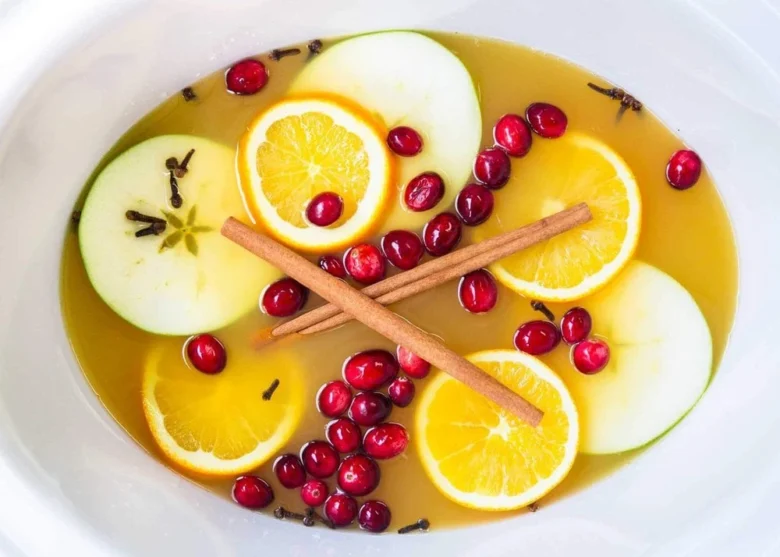
Wassail is older than Christmas trees, older than stockings hung by the fire, older than almost every tradition associated with the holiday season in the English-speaking world. The word itself comes from the Old Norse ves heill — “be in good health” — and the drink that carries the name has been warming hands and raising spirits at midwinter gatherings since the medieval period, when it was drunk from a shared wooden bowl passed from person to person as a toast to health, to the harvest, and to the apple trees that would bear fruit again in spring. The wassail bowl was the centerpiece of the celebration. It was never a quiet drink in the corner.
Modern wassail has shed the shared bowl and the orchard rituals, but it has kept everything that made it worth drinking for a thousand years: hot spiced cider, layered with citrus and warming spices, sweetened with honey or sugar, sometimes fortified with ale or wine or brandy, filling whatever room it occupies with an aroma so specifically and powerfully Christmas that it makes everything else in the house feel festive by proximity. It is the drink that makes a house smell like the holidays. It is the drink that, when guests walk through the door to the smell of it on the stovetop or counter, immediately signals that this party was worth coming to.
Slow cooker wassail is the best version of this ancient drink for the modern kitchen — not despite the technology but because of it. The slow cooker holds the wassail at the perfect serving temperature for hours without ever boiling off the volatile citrus oils and aromatic spice compounds that make it extraordinary. It tends itself through the party. It fills the house with that smell from the moment it starts, two to three hours before the first guest arrives. And it serves itself — a ladle, a stack of mugs, and it runs unattended while everyone enjoys the party it helped create.
The History Behind the Drink
Understanding wassail’s origins makes the drink taste better — or at least makes explaining it to curious guests considerably more interesting.
The earliest wassail was a hot ale-based drink, spiced with ginger, nutmeg, and cinnamon, sweetened with honey or sugar, and often topped with roasted crab apples that bobbed on the surface — which is why the old name for it was “lamb’s wool,” from the fluffy appearance of the split roasted apple floating in the spiced ale. It was drunk at Twelfth Night (January 6th, the end of the Christmas season) and at “wassailing” ceremonies in apple-growing regions of England, where revelers would go into the orchards, pour wassail around the roots of the oldest trees, and sing songs to wake the trees and encourage a good harvest in the coming year.
The drink evolved over centuries as ingredients became available — cider replaced ale in apple-growing regions, wine entered through aristocratic influence, citrus arrived as trade routes expanded, and the spice blend became more elaborate as spices became more accessible. By the Victorian era, wassail had become the warm, cider-and-citrus-based spiced punch that most people recognize today — the version that Dickens described, that carol singers expected to receive, and that has remained essentially unchanged in its modern form ever since.
The slow cooker version is, in this sense, the latest evolution of a thousand years of incremental recipe improvement. The core — warm, spiced, communal, generous — remains exactly what it always was.
What Makes Wassail Different From Spiced Apple Cider
Wassail and spiced apple cider are close relatives, and the distinction between them is worth understanding because it explains what makes wassail specifically worth making when spiced cider is already excellent.
Spiced apple cider is a single-base drink — apple cider, whole spices, typically some citrus. Clean, bright, and specifically apple in character. The spices support the cider but the cider is the star.
Wassail is a punched drink — a blend of multiple juices or liquids, typically apple cider as the primary base but with the addition of cranberry juice, orange juice, pineapple juice, or some combination, plus a more elaborate spice blend, fresh citrus in larger quantities, and often a small amount of brown sugar or honey stirred through. The result is layered and complex in a way that single-base spiced cider is not — the cranberry adds tartness and color, the orange juice adds bright citrus body, the pineapple adds a tropical sweetness that is counterintuitive until you taste it and understand why it has been in the recipe for centuries. Each additional juice extends the flavor profile and prevents the apple note from being the only thing happening in the cup.
The spice blend in wassail is also typically more elaborate than spiced cider — more varied, often including cardamom or vanilla alongside the standard cinnamon, clove, and allspice, building a more layered aromatic profile.
The simplest way to think about it: spiced apple cider is a solo. Wassail is an ensemble. Both are excellent. They are not the same drink.
The Liquid Base
Wassail’s flavor complexity comes from its multi-juice base — the combination of liquids is where the drink’s distinctive character is built.
Apple cider is the dominant base — fresh-pressed, cloudy, unfiltered if available. It provides the apple foundation that anchors everything else. Use the best quality cider you can find. A half-gallon is the starting quantity around which the other juices are balanced.
Cranberry juice — 100 percent cranberry juice, not cranberry cocktail — is the second essential component. It adds tartness, a brilliant ruby color that deepens the visual appeal of the finished drink, and a berry note that creates the first layer of complexity beyond the apple. A cup to a cup and a half is the standard quantity — enough to register clearly but not so much that the drink reads as cranberry rather than apple. Cranberry cocktail can be used but it is sweeter and less tart — reduce any added sweetener accordingly.
Orange juice — freshly squeezed if possible — adds bright citrus body and a natural acidity that lifts and balances the sweeter fruit juices. Half a cup is sufficient. Fresh-squeezed is meaningfully better than bottled here — its brightness and complexity are detectable in the finished drink.
Pineapple juice is the unexpected ingredient that traditionalists will recognize and first-time makers will question. Pineapple juice adds a tropical sweetness, a slight tanginess, and a body that rounds the drink in a way that no other juice does. It does not make the finished wassail taste of pineapple — it makes it taste more complex and complete. Half a cup, no more. This ingredient is worth including despite the skepticism it provokes.
The ratio. The classic wassail ratio is approximately: 4 parts apple cider to 1 part cranberry juice to ½ part orange juice to ½ part pineapple juice. This ratio produces a drink that is primarily apple-forward with layered fruit complexity underneath. Adjust to preference — more cranberry for tartness and color, more orange for brightness, less pineapple for a more conservative flavor profile.
The Spice Blend
Wassail’s spice blend is more elaborate than the spiced cider blend — it builds the same warm-spice foundation but adds additional layers that suit the complexity of the multi-juice base.
Cinnamon sticks — three to four — are the backbone. Use whole sticks, not ground. The same Ceylon versus Cassia distinction from the spiced cider post applies here: Ceylon cinnamon is milder, sweeter, and more complex; Cassia is more intense and the standard supermarket variety. Both work.
Whole cloves — six to eight — add dark, aromatic depth. Count them carefully. Cloves are the most aggressively extracting spice in the blend and produce a medicinal, sharp result if over-used or left in too long. Six to eight is correct for a full batch. Remove with the other spices after four hours of total infusion.
Star anise — two whole stars — adds a sweet, subtle anise note that is more complex and less assertive in this blend than it would be in isolation. It is the spice that experienced wassail drinkers can identify as something distinct and interesting but cannot name without being told.
Whole allspice berries — six to eight — add the intersection of cinnamon, nutmeg, and cloves in a single ingredient. They round and warm the blend.
Cardamom pods — four to five, lightly crushed — are the wassail addition that distinguishes it from standard spiced cider. Cardamom adds a floral, citrusy, aromatic warmth that complements the orange juice in the base and adds a complexity that is simultaneously recognizable and difficult to identify as a specific spice. Lightly crush the pods with the flat side of a knife before adding — this opens them to release their seeds and significantly increases extraction. Whole uncrushed pods extract very slowly and contribute little over a 3 to 4 hour infusion.
Whole black peppercorns — four to five — add the background heat that makes the other spices feel warming rather than simply aromatic. The same reasoning as in the spiced cider recipe: subtle, non-identifiable as pepper, but felt as complexity.
Fresh ginger — three to four thin slices of peeled root — adds a clean, spicy warmth. More ginger than the spiced cider recipe because wassail’s bolder flavor profile can support a stronger ginger note.
Vanilla bean or vanilla extract — a split vanilla bean added at the start, or ½ teaspoon of extract added at the very end of cooking. Vanilla adds a warm, dessert-adjacent note that is the finishing aromatic of a well-made wassail. The same late-addition logic as the oatmeal and spiced cider recipes applies to vanilla extract — add it after cooking to preserve its aromatic complexity.
The Sweetener and the Citrus
Honey is the traditional wassail sweetener — it has been since the medieval period, when sugar was a luxury and honey was the available sweetener. Raw, local honey adds the most complex flavor. Standard grocery store honey is perfectly acceptable. Two to three tablespoons for a full batch produces a gently sweet, well-balanced drink — add conservatively and taste after infusion before adding more.
Brown sugar is the alternative for those who prefer a caramel sweetness over honey’s floral note. Two tablespoons of packed brown sugar is the standard quantity.
No sweetener is also a valid choice. Good fresh-pressed apple cider is already sweet, cranberry juice adds tartness rather than sweetness, and the spices add warmth rather than sugar. A wassail without added sweetener is drier, more adult, and lets the fruit complexity come forward most clearly.
Fresh citrus — beyond the orange juice in the base — is added to the slow cooker as sliced rounds: one orange and half a lemon, both sliced into ¼-inch rounds with the peel intact. The citrus rounds float on the surface of the wassail, release their essential oils slowly into the drink throughout the infusion, and provide the visual signal that this is something carefully and specifically made. The lemon peel adds brightness and a slightly floral citrus note distinct from the orange. Use unwaxed citrus where possible.
The Optional Fortification
Wassail has been a fortified drink for most of its history — ale in the early medieval version, wine in the aristocratic version, brandy in the Victorian version. The slow cooker version handles fortification the same way as the spiced cider recipe: spirits added per mug at serving rather than to the batch, which keeps the drink suitable for all ages and allows individual guests to calibrate their own cups.
Dark rum — 1.5 oz per mug — is the most popular and complementary fortification for modern wassail. The molasses and caramel notes of dark rum pair exceptionally well with the apple, cranberry, and warm spice profile of the drink.
Bourbon — 1.5 oz per mug — adds vanilla, oak, and caramel notes. An excellent choice, particularly with a dash of bitters added to the same mug.
Brandy or Calvados — 1 oz per mug — the most historically accurate fortification. Calvados, which is apple brandy from Normandy, is the most naturally complementary spirit to an apple-forward punch.
Mulled wine addition — replacing one cup of apple cider with one cup of dry red wine added directly to the slow cooker batch creates a wassail that leans slightly toward mulled wine in character — deeper, less bright, more wine-forward, and excellent.
Tips for Perfect Slow Cooker Wassail
1. Use 100 percent cranberry juice, not cranberry cocktail. Cranberry cocktail is sweetened with corn syrup and apple juice — it adds sweetness and color but none of the tartness that makes cranberry a meaningful ingredient in wassail. 100 percent cranberry juice is tart, deeply colored, and does the work the recipe requires. Adjust the sweetener if cranberry cocktail is the only available option.
2. Count the cloves. Six to eight cloves is the correct quantity for a full batch. More produces over-extracted, medicinal-tasting wassail. Count them as they go in so they can all be accounted for when straining. A clove that stays in a batch for six hours will make itself known.
3. Crush the cardamom pods. Whole uncrushed cardamom pods extract very slowly. A light crush with the flat of a knife cracks the pod and exposes the seeds — this is the step that makes the cardamom actually contribute to the flavor of the drink within the 3 to 4-hour infusion window.
4. Do not boil. The same rule as spiced cider: boiling drives off volatile aromatic compounds from the citrus and the delicate spices. LOW on the slow cooker holds the wassail at the ideal serving and infusion temperature — between 160°F and 180°F (71°C to 82°C). If the wassail is bubbling vigorously, switch to KEEP WARM.
5. Remove the spices and citrus after 4 hours total. Cloves, in particular, over-extract after 4 hours and produce a sharp, medicinal note that dominates the otherwise balanced blend. Remove all whole spices and citrus rounds at the 4-hour mark and the strained wassail can be held on KEEP WARM indefinitely.
6. Add vanilla at the end. As with every recipe in this style — vanilla extract added to a long slow cook loses its aromatic complexity. Add it immediately before serving.
7. Taste and adjust before the first guest arrives. Wassail made an hour before a party should be tasted at the 3-hour mark and adjusted. More honey if it needs sweetness. A squeeze of fresh orange or lemon juice if it needs brightness. An extra cinnamon stick if the spice is too subtle. The adjustment window before guests arrive is far better than discovering the balance is off when the first mug is poured.
8. Float orange and cranberries on top. Fresh orange rounds and a scatter of whole fresh or frozen cranberries on the surface of the wassail in the slow cooker is the presentation detail that makes it look as spectacular as it smells. It costs nothing and makes an immediate visual impression.
Serving the Wassail
Wassail deserves to be served with the same intentionality with which it is made — which is to say, generously, warmly, and with the understanding that the drink itself is the party.
The presentation. A slow cooker on the counter or a bar table, lid off or ajar, with orange rounds and cranberries floating on the surface, steam rising, and the smell of cinnamon and cloves and citrus filling the room — is a party centerpiece that costs almost nothing and creates an immediate atmosphere. No punch bowl required. The slow cooker is the vessel.
The self-serve station. A ladle, a stack of heavy ceramic mugs or clear heat-safe glass cups, a small bowl of cinnamon sticks for garnishing, a dish of whole cranberries for garnishing individual mugs, a halved orange for squeezing, and the spirits of choice alongside for adults who want a spiked cup. Everything the guest needs, requiring nothing from the host beyond the initial setup.
The garnish. A fresh cinnamon stick, a dried orange slice on the rim of the mug, a small skewer of fresh cranberries dropped in, or a thin apple slice fanned across the top of the cup — any one of these turns a ladle of wassail into something that looks considered and deliberate. The cinnamon stick is the default and always correct.
The Complete Table
Food pairings:
- Mince pies — the definitive English Christmas pairing with wassail
- Shortbread and Christmas cookies — simple, buttery, correct
- Cheese board with aged cheddar, Stilton, and crackers
- Warm brie with cranberry sauce and toasted walnuts
- Sausage rolls or pigs in blankets — savory against the sweet punch
- Christmas cake or stollen — rich fruit cake with a glass of wassail is the holiday in a single moment
Occasions:
- Christmas Eve gathering — the drink that fills the house before the main event
- Christmas morning — set it up before presents, serve it during
- Carol service or sing-along — wassail and carolers is a relationship that predates written records
- Neighborhood Christmas party — set it up, let it run, let people serve themselves
- New Year’s Eve — a non-alcoholic warm punch option for a mixed crowd
Spiked variations for adults:
- Dark rum wassail — 1.5 oz per mug, the most popular
- Bourbon wassail — 1.5 oz per mug with an optional dash of Angostura bitters
- Calvados wassail — 1 oz per mug, the most historically correct
- Mulled red wine wassail — 1 cup dry red wine added to the batch
The Day-After Wassail Uses
Leftover wassail — strained and refrigerated — is a cooking ingredient as useful as leftover spiced cider and considerably more complex. Reduced in a saucepan to half its volume, it becomes a deeply flavored cranberry-apple-spice syrup for pancakes, waffles, or pork tenderloin glaze. Poured over ice with a shot of dark rum and a squeeze of lime, it becomes a wassail punch cocktail that requires no additional sweetener. Used as the poaching liquid for pears — a pear gently poached in wassail until just tender, served with whipped cream — it becomes a Christmas dessert of genuine elegance. Mixed with apple cider vinegar, a tablespoon of olive oil, and a pinch of salt, it becomes a seasonal salad dressing for a winter greens plate. Keep the leftovers with intent.
Easy Variations
- Mulled wine wassail. Add 1 to 2 cups of dry red wine (Cabernet Sauvignon or Merlot) to the slow cooker alongside the cider and juices. The wine deepens the color, adds tannin and body, and shifts the character of the drink toward mulled wine while retaining the fruit complexity of the full wassail. Reduce the cranberry juice slightly to compensate.
- Sparkling wassail finish. Make the wassail as directed, strain and cool completely, then combine with dry sparkling apple cider or ginger beer at a 3:1 ratio just before serving for a lightly effervescent cold punch. Excellent for New Year’s Eve.
- Chai wassail. Add four to five green cardamom pods, a tablespoon of black tea leaves in a tea ball, and an extra thumb of fresh ginger to the spice blend. The chai spice profile pairs beautifully with the apple-cranberry base and produces a more aromatic, tea-forward drink.
- Honey bourbon wassail. Stir two additional tablespoons of raw honey into the strained finished wassail, and add 2 oz of honey-infused bourbon (or standard bourbon) per mug at serving. The honey note runs through both the drink and the spirit in a way that is cohesive and excellent.
- Virgin cranberry orange wassail. Increase the cranberry juice to 2 cups and the orange juice to 1 cup, reduce the apple cider to 3 cups, and add the juice of one additional lime along with its zest to the slow cooker. The extra cranberry and citrus produce a tarter, more vibrant drink that is assertively non-alcoholic and outstanding.
Make-Ahead and Storage
Make-ahead: Wassail is ideal for making ahead. The full batch can be cooked, strained, cooled, and refrigerated up to 3 days before serving. Reheat in the slow cooker on LOW for 1.5 to 2 hours before guests arrive. Add a fresh cinnamon stick, a fresh orange round, and the vanilla extract during reheating to refresh the aroma.
Refrigerator: Strained leftover wassail keeps in an airtight container for up to 5 days. The flavor deepens slightly overnight as the spice infusion continues to mellow into the fruit juices — Day 2 wassail is often marginally better than Day 1.
Thermos: Strained and poured into a preheated thermos, wassail stays warm for 4 to 6 hours — the correct solution for outdoor carol services, Christmas markets, or any cold-weather outdoor gathering.
Freezer: Freeze strained wassail in airtight containers for up to 3 months. Thaw overnight in the refrigerator and reheat gently. The citrus notes may have mellowed slightly — add a fresh squeeze of orange juice before serving to restore brightness.
The spice bundle. For repeat making, bundle the whole spices into a small muslin bag or cheesecloth square tied with kitchen twine — it drops into the slow cooker, infuses fully, and lifts out cleanly in one piece. Make several bundles at once and store in a jar for the season. Each bundle can be reused once — the second infusion will be slightly less intense than the first, which is worth knowing before counting on it for a large party.
Shopping List
The Liquid Base
- ½ gallon (1.9 litres) fresh apple cider
- 1 cup (240ml) 100% cranberry juice (not cocktail)
- ½ cup (120ml) fresh orange juice (approximately 2 oranges)
- ½ cup (120ml) pineapple juice
The Whole Spices
- 3–4 cinnamon sticks
- 6–8 whole cloves
- 2 whole star anise
- 6–8 whole allspice berries
- 4–5 cardamom pods, lightly crushed
- 4–5 whole black peppercorns
- 3–4 thin slices fresh ginger, peeled
The Fresh Citrus
- 1 large orange, cut into ¼-inch rounds (for the slow cooker)
- ½ lemon, cut into ¼-inch rounds (for the slow cooker)
- 1 additional orange (for garnish and fresh juice)
The Sweetener
- 2–3 tbsp honey or brown sugar (optional, to taste)
The Finish
- ½ tsp vanilla extract (added after cooking)
For Serving
- Fresh or frozen cranberries for floating
- Cinnamon sticks for garnish
- Orange slices for garnish
- Dark rum, bourbon, or calvados alongside for adults
Slow Cooker Wassail (Christmas Punch)
A slow cooker Christmas punch of layered depth and warmth: fresh apple cider combined with cranberry juice, orange juice, and pineapple juice as the base, then infused for 3 to 4 hours on LOW with cinnamon sticks, whole cloves, star anise, allspice berries, crushed cardamom pods, black peppercorns, and fresh ginger, with orange and lemon rounds floating throughout. Sweetened lightly with honey, finished with vanilla extract after cooking, and served from the slow cooker with fresh cranberries and cinnamon sticks on the surface and spirits alongside for those who want them. The drink that fills the house with Christmas.
- Total Time: 3 hours 10 minutes
- Yield: 10–12 servings 1x
Ingredients
The Liquid Base
- ½ gallon (1.9 litres) fresh apple cider
- 1 cup (240ml) 100% cranberry juice
- ½ cup (120ml) fresh orange juice (about 2 oranges)
- ½ cup (120ml) pineapple juice
The Whole Spices
- 3–4 cinnamon sticks
- 6–8 whole cloves
- 2 whole star anise
- 6–8 whole allspice berries
- 4–5 green cardamom pods, lightly crushed
- 4–5 whole black peppercorns
- 3–4 thin slices fresh ginger, peeled
The Fresh Citrus
- 1 large orange, cut into ¼-inch rounds
- ½ lemon, cut into ¼-inch rounds
The Sweetener
- 2–3 tbsp honey or brown sugar, to taste (optional)
The Finish
- ½ tsp vanilla extract — added after cooking
For Serving
- Fresh or frozen cranberries for floating on the surface
- Cinnamon sticks and orange slices for garnish
- Dark rum, bourbon, or calvados alongside (optional)
Instructions
- Combine the liquids. Pour the apple cider, cranberry juice, orange juice, and pineapple juice into the slow cooker insert. Add the honey or brown sugar if using and stir to begin dissolving.
- Add the spices and citrus. Add the cinnamon sticks, cloves, star anise, allspice berries, crushed cardamom pods, peppercorns, and ginger slices. Lay the orange and lemon rounds on the surface.
- Cook. Set the slow cooker to LOW and cook for 3 to 4 hours, until the wassail is steaming hot, deeply fragrant, and the kitchen smells unambiguously of Christmas. Do not allow the wassail to boil. If it begins bubbling vigorously, switch to KEEP WARM.
- Taste and adjust. At the 3-hour mark, taste and adjust: additional honey if sweetness is needed, a squeeze of fresh orange juice if brightness is needed, an extra cinnamon stick if the spice is too subtle for your preference.
- Remove spices and citrus. After 4 hours of total infusion time, remove and discard all whole spices, ginger, and citrus rounds. The strained wassail can now be held on KEEP WARM for as long as needed without further flavor change.
- Add vanilla. Stir in the vanilla extract immediately before serving.
- Garnish and serve. Float fresh or frozen cranberries and a few fresh orange rounds on the surface of the wassail for presentation. Ladle into heavy ceramic mugs or heat-safe glass cups through a slotted ladle, garnish each with a cinnamon stick, and serve immediately. Offer dark rum, bourbon, or calvados alongside for adults who want a spiked cup.
Notes
- 100% cranberry juice, not cocktail. Cranberry cocktail is sweetened with corn syrup and lacks the tartness that makes cranberry a functional ingredient in wassail. 100% cranberry juice is the correct ingredient — tart, deeply colored, and worth seeking out specifically for this recipe.
- Count the cloves. Six to eight cloves in a full batch is correct. More produces a medicinal, sharp note that dominates the blend. Count them as they go in. A clove that infuses for 6 hours will be immediately obvious in the cup.
- Crush the cardamom. A lightly crushed cardamom pod extracts meaningfully within a 3 to 4-hour slow cook. A whole uncrushed pod barely extracts at all. Use the flat side of a heavy knife and apply light pressure — the pod should crack open and the seeds become visible. This is the difference between cardamom that contributes to the drink and cardamom that is decoration.
- Remove spices at the 4-hour mark. Not at the end of the party. Cloves and allspice continue to extract as long as they are in contact with the warm liquid. After 4 total hours, remove all whole spices and the wassail is stable — it can sit on KEEP WARM for hours without the spice balance changing.
- Pineapple juice belongs here. The most questioned ingredient in the recipe. It does not make the wassail taste of pineapple — it makes it taste complete. The pineapple juice rounds the fruit base in a way that is felt as overall complexity rather than as a specific tropical note. Include it.
- Vanilla at the end, always. Vanilla extract added to a 3 to 4-hour slow cook loses its aromatic compounds steadily throughout the cook. Added immediately before the first glass is ladled, every aromatic is fully present. This is a small detail with a noticeable effect.
- The smell is the first course. Start the slow cooker 2 to 3 hours before guests arrive. The smell of wassail building in the house is the atmosphere — it sets the tone for the entire gathering before a single person has removed their coat. This is not incidental to the recipe. It is part of it.
- Prep Time: 10 minutes
- Cook Time: 3–4 hours (on LOW)
- Category: Drinks
- Method: Slow Cooking
- Cuisine: American, British
- Diet: Dairy-Free, Gluten-Free, Vegan
Frequently Asked Questions
What is the difference between wassail and mulled cider? Wassail is a multi-juice punch — it combines apple cider with cranberry juice, orange juice, and pineapple juice as its liquid base, producing a layered, complex drink with fruit depth beyond apple. Mulled cider is a single-base drink — apple cider and whole spices, typically with orange, but no additional fruit juices. The spice blend in wassail is also typically more elaborate, often including cardamom and vanilla alongside the standard cinnamon-clove-allspice trio. The simplest way to distinguish them: mulled cider tastes primarily of apple and spice; wassail tastes of apple, cranberry, citrus, and spice together. Both are excellent cold-weather drinks — they are different drinks that suit different occasions. Wassail is the more celebratory, party-appropriate option; mulled cider is quieter and more everyday.
Why does the recipe include pineapple juice? That seems wrong. It seems wrong and it is correct. Pineapple juice has appeared in wassail recipes for centuries — it arrived in England during the period when tropical fruits became accessible through trade and was incorporated into punch recipes because of what it does to the overall flavor of a mixed fruit drink: it adds a slight tanginess, a natural sweetness, and a body that rounds and fills out the fruit base in a way that is not identifiable as pineapple but is felt as the drink tasting complete and balanced rather than flat. Taste a batch with pineapple juice and a batch without it — the without version tastes thinner and less integrated. Half a cup in a full batch of wassail is the correct quantity. Trust the centuries of recipe iteration.
Can I make this without alcohol? The base recipe as written is completely non-alcoholic. The spirits — dark rum, bourbon, calvados — are offered alongside at serving for individual addition, not added to the batch. This makes the slow cooker wassail naturally suitable for all ages, all dietary choices, and mixed gatherings without any modification. The self-serve station approach means alcoholic and non-alcoholic versions are served from the same pot, simply with or without a pour of spirits at the mug stage. No separate preparation, no separate drink for non-drinkers.
My wassail tastes too much like cloves. How do I fix it? The fix is dilution and balance. Add additional apple cider — warmed separately and stirred into the batch — to dilute the clove intensity. A squeeze of fresh orange or lemon juice adds brightness and acidity that pushes the clove note back. A tablespoon of additional honey rounds and softens the sharpness. For future batches, use five to six cloves rather than eight, remove the whole spices at the 3-hour mark rather than the 4-hour mark, and ensure the cloves are the whole dried variety rather than a particularly fresh or potent batch (fresh cloves extract more aggressively than older ones). Counting the cloves carefully as they go in is the simplest preventive measure.
Can I make this a day ahead for a party? Yes — and for a large party this is the recommended approach. Make the full batch the day before, strain it completely to remove all spices and citrus, cool, and refrigerate in a large airtight container. On the day of the party, pour the refrigerated wassail into the slow cooker and heat on LOW for 1.5 to 2 hours. Add a fresh cinnamon stick and a fresh orange round during reheating to restore the aroma. Stir in the vanilla extract immediately before guests arrive. The day-ahead method has an additional advantage: the strained wassail mellows overnight in the refrigerator, and the flavor integration that the spices began continues slowly even without heat — Day 2 wassail is frequently smoother and more cohesive than Day 1.
Can I add wine to the slow cooker batch rather than spirits per mug? Yes — adding wine directly to the batch rather than as a per-mug addition is the traditional approach and produces a slightly different drink. One to two cups of dry red wine — Cabernet Sauvignon, Merlot, or any full-bodied red — added with the other liquids at the start produces a wassail that leans toward mulled wine in its depth and color. The alcohol mostly cooks off during the 3 to 4-hour infusion (though not entirely), and the tannin and fruit compounds of the wine integrate into the punch in a way that spirits added at the mug stage cannot replicate. This approach is appropriate for adult-only gatherings. Reduce the cranberry juice by half a cup if adding red wine to keep the tartness balanced.
How do I keep the wassail warm throughout a long party without it over-extracting? The solution is sequential rather than continuous: cook the wassail with the whole spices for 3 to 4 hours on LOW, then remove all whole spices and citrus rounds at the 4-hour mark. From that point, the strained wassail can sit on KEEP WARM for as long as the party lasts — 4, 6, even 8 hours — without any further extraction or flavor change. The spices have done their work. Removing them is the step that makes the slow cooker a practical party vessel rather than a vessel that requires monitoring throughout the event. Add a fresh cinnamon stick and orange round for visual presentation purposes — they will not extract meaningfully into an already-infused batch.
What mugs work best for serving wassail? Heavy ceramic mugs are the most practical — they hold heat well, feel substantial in the hand on a cold evening, and do not require any concern about heat safety. Clear heat-safe glass mugs or cups are the most visually impressive option — the deep amber-ruby color of the wassail with the cinnamon stick garnish and cranberries is genuinely beautiful in a clear vessel and makes the self-serve station look spectacular. Avoid thin glass that is not heat-rated for hot liquids — it can crack under thermal stress. For very large parties, disposable insulated cups with lids are the practical solution and allow guests to carry their wassail around the room or outdoors without the cup cooling quickly.