
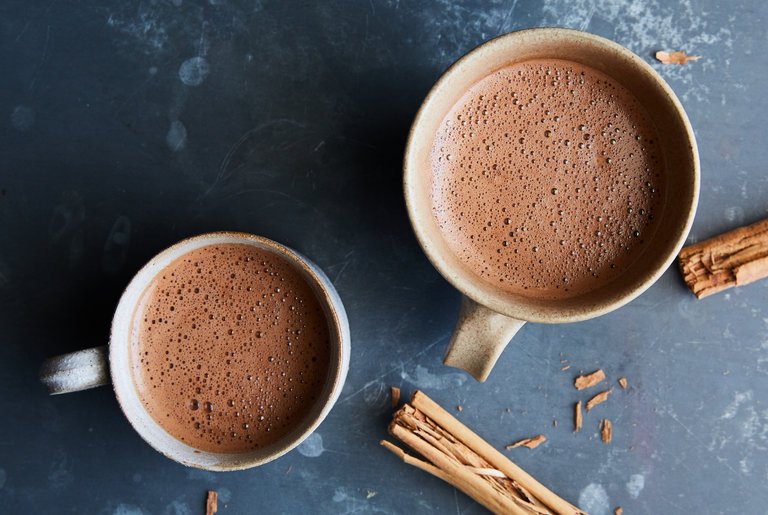
There is hot chocolate and there is Mexican hot chocolate, and the difference between them is not a matter of degree — it is a matter of kind. Regular hot chocolate is a comfort drink: sweet, milky, chocolatey, warm. Mexican hot chocolate is all of that and something more — something that arrives at the back of the palate as a warmth that the milk alone did not provide, something that smells of chocolate and cinnamon and something just beyond those two things that takes a second sip to identify as ancho chile or cayenne. It is a drink that was made from cacao beans in Mesoamerica for two thousand years before Europe encountered chocolate in any form, and that history is present in every cup in the warm spice, the slight bitterness, the fragrant depth that sweet European hot chocolate never developed because it was never meant to.
The slow cooker version of Mexican hot chocolate is the batch version — made for a gathering, a cold morning, a holiday party where a self-serve hot chocolate station running for three hours without attention is exactly what the occasion requires. The slow cooker holds the chocolate at the ideal serving temperature while the cinnamon, the chile, the vanilla, and the almond note from traditional Mexican chocolate tablets bloom slowly and completely into the warm milk base. The chocolate dissolves at its own pace rather than being rushed by high heat. The spices integrate rather than sitting on top. The finished drink is deeper, more aromatic, more complex than anything made in a pot on the stovetop in ten minutes — not dramatically more, but measurably, in the way that patience always improves anything involving chocolate.
It is also the drink that makes guests walk into the room, stop, and ask before they have removed their coats what is on the slow cooker. The answer, and the cup that follows, consistently exceeds whatever expectation the smell created.
The History of Mexican Hot Chocolate
Cacao has been consumed as a drink in Mesoamerica for at least three thousand years — the Olmec, Maya, and Aztec civilizations all made cacao beverages that bore little resemblance to modern hot chocolate. The pre-Columbian version was typically cold or room temperature, unsweetened, combined with water rather than milk, and spiced with chile, vanilla, and achiote. It was a ceremonial drink, a currency, a medicine, and a daily sustenance food — consumed by warriors before battle and by elites at feasts.
When Spanish conquistadors encountered cacao in the sixteenth century and brought it back to Europe, the transformation began: water became milk, cold became hot, bitter became sweet, and the chile spicing was gradually reduced or eliminated for European palates. What arrived in Europe and spread across the world was a fundamentally different drink from the one the Aztec emperor Moctezuma reportedly consumed in golden cups.
Mexican hot chocolate — the version still made in Mexico today — sits between the ancient and the modern. It is sweet, unlike the pre-Columbian original. It is warm, unlike the ancient cold version. But it retains the cinnamon and the chile that European hot chocolate abandoned, the slight bitterness that European hot chocolate sweetened away, and the specific character of Mexican chocolate tablets — Ibarra and Abuelita being the most widely available — that are nothing like European or American chocolate.
The slow cooker version is the latest adaptation in a three-thousand-year lineage of cacao-and-spice drinks. It would be unrecognizable to Moctezuma and perfectly recognizable to anyone who has drunk chocolate in a Mexican kitchen.
The Chocolate
The chocolate is the most consequential ingredient decision in this recipe, and the options produce noticeably different finished drinks.
Mexican chocolate tablets — specifically Ibarra or Abuelita, the two brands most widely available outside Mexico — are the most authentic choice and the one that produces the most specifically Mexican hot chocolate character. These tablets are made from coarsely ground cacao, sugar, cinnamon, and almonds, formed into discs or hexagonal tablets. They have a grainier texture than European chocolate, a distinct cinnamon note that is baked into the chocolate itself rather than added as a separate spice, and an almond character that is subtle but present in every sip. The tablets do not melt as smoothly as European chocolate — they produce a slightly textured drink that is traditional and characteristic. For the smoothest result from Mexican tablets, blend the finished hot chocolate briefly before serving.
Good quality dark chocolate — seventy percent cocoa or higher — combined with the spice blend in this recipe produces an excellent Mexican hot chocolate that is smoother and less grainy than the tablet version but requires all the spicing to be added separately. This is the approach for those who cannot find Mexican chocolate tablets or who prefer a darker, more intensely chocolate result.
Dutch-process cocoa powder combined with dark chocolate produces the deepest, most intensely chocolate flavor — the cocoa provides color and bitterness, the chocolate provides fat and richness. Two tablespoons of cocoa powder plus two ounces of dark chocolate for a full slow cooker batch is the approach for maximum chocolate depth.
The combination method. The most complex result comes from using one Mexican chocolate tablet alongside two ounces of dark chocolate — the tablet provides the cinnamon, almond, and specifically Mexican character, the dark chocolate provides depth and bitterness that the lower-cocoa tablets alone cannot deliver.
The Spice Blend
The spice blend of Mexican hot chocolate is what makes it the drink it is, and each component has a specific role.
Ground cinnamon is the most prominent spice — present in authentic Mexican chocolate tablets already and added separately in generous quantity. Mexican cinnamon is specifically Ceylon cinnamon — the lighter, sweeter, more delicate true cinnamon rather than Cassia cinnamon (the harsh, more assertive bark commonly sold in North American supermarkets). If Ceylon cinnamon is available, it produces a distinctly more authentic result. Cassia cinnamon is perfectly acceptable and produces an excellent drink — it is simply a different, more aggressive cinnamon note. One teaspoon for a full batch is the starting point.
Cayenne pepper or ancho chile powder is the heat component — the spice that separates Mexican hot chocolate from every other hot chocolate tradition. Cayenne provides a clean, immediate heat that builds at the back of the palate. Ancho chile powder provides a slower, deeper, more earthy warmth with a hint of dried fruit complexity that is more specifically Mexican in character. A quarter teaspoon of cayenne or half a teaspoon of ancho is the starting point — enough to register clearly as a warming heat without making the drink uncomfortably spicy. The chile is not optional in Mexican hot chocolate. Without it, this is simply spiced hot chocolate.
Vanilla extract — added after cooking — is the aromatic finish that has been present in Mexican cacao preparations since before European contact. Vanilla is indigenous to Mexico and was combined with cacao long before either ingredient arrived in Europe. One teaspoon added immediately before serving, preserving all of its aromatic complexity, is the correct approach. The same late-addition principle as every other recipe in this series.
Ground nutmeg — a small pinch — adds a warm, slightly sweet depth that complements the cinnamon without announcing itself as a separate spice.
Allspice — an eighth of a teaspoon — adds a background warmth that makes the spice blend feel complete. Optional but worth including.
The molinillo. Traditional Mexican hot chocolate is made with a wooden whisk called a molinillo, which is rolled between the palms to froth the drink. The slow cooker version produces a smooth, integrated hot chocolate that benefits from a brief blend or a handheld frother treatment at serving — the froth adds texture and makes the drink feel specifically like a prepared hot chocolate rather than warm chocolate milk.
The Milk Base
The milk determines the richness and body of the finished hot chocolate, and Mexican hot chocolate traditionally leans rich.
Whole milk is the correct choice and the one that produces the fullest, most genuinely indulgent result. The fat in whole milk carries the chocolate’s fat-soluble aromatic compounds and distributes them evenly through the drink. Mexican hot chocolate made with whole milk has the body and richness of a genuine dairy hot chocolate.
Half-and-half or a combination of whole milk and heavy cream — at a ratio of three to one — produces an even richer result that is less drinkable in quantity but more satisfying in a smaller cup. Appropriate for a dessert hot chocolate served in small mugs rather than a full cup.
Oat milk is the most effective plant-based alternative — its natural creaminess and mild sweetness produce a dairy-free Mexican hot chocolate that is genuinely close to the whole milk version in body and satisfaction. Oat milk’s slight starchiness also helps the chocolate stay in suspension rather than settling.
Coconut milk — the full-fat canned variety, thinned with equal parts water — produces the most indulgent dairy-free result and adds a tropical richness that has genuine historical basis: coconut and cacao are both traditional in Mexican and Mesoamerican cooking traditions.
Almond milk produces a lighter, nuttier result that is pleasant but thinner than the whole milk or oat milk versions. The almond note complements the almond character of the Mexican chocolate tablets.
The Sweetener
Mexican hot chocolate is sweet — less sweet than European milk chocolate-based hot chocolate, more sweet than the pre-Columbian bitter original — and the sweetener shapes the character of that sweetness.
Brown sugar is the most natural pairing — its molasses depth complements the chocolate and the cinnamon in a way that white sugar’s neutrality does not. Two to three tablespoons for a full batch.
Piloncillo is the traditional Mexican sweetener — unrefined cane sugar pressed into cone shapes, with a rich, slightly molasses-like flavor more complex than brown sugar. If available at a Latin grocery store or specialty market, a small cone broken and dissolved into the warm milk produces the most specifically authentic sweetness in the finished drink. In the slow cooker, the piloncillo dissolves completely during the long cook.
Honey — added after cooking to preserve its aromatic compounds — adds a floral sweetness that is interesting against the chocolate and cinnamon. Two tablespoons for a full batch.
Sweetened condensed milk — two to three tablespoons, stirred in at serving — adds sweetness and a specific creamy richness that makes the hot chocolate taste luxurious in a way that no other sweetener produces. The condensed milk method is the one that produces a result most similar to high-end café Mexican hot chocolate.
The Finishing Foam
Mexican hot chocolate has a traditional foam — produced by the molinillo, the wooden whisk that is rolled between the palms while submerged in the hot drink. The foam is not decorative. It changes the texture of the drink from dense to light, aerates the chocolate, and produces the slightly frothy surface that distinguishes properly made Mexican hot chocolate from a mug of warm chocolate milk.
In a slow cooker batch version, the foam is produced at serving rather than during cooking. Three practical methods:
Handheld milk frother. The most accessible option — a battery-powered or rechargeable frother held in a mug of ladled hot chocolate for thirty seconds produces a generous, stable foam that is indistinguishable from molinillo foam to most drinkers.
Blender or immersion blender. Blending the finished hot chocolate briefly — two to three seconds in a countertop blender with the lid cracked for steam, or ten seconds with an immersion blender directly in the slow cooker — produces a frothy, slightly aerated result that can be ladled into mugs with the foam distributed evenly. This method is best for serving a group quickly.
Whipped cream. The simplest garnish method — a small dollop of lightly sweetened whipped cream over the top of each mug, dusted with a blend of ground cinnamon and cayenne. Not traditional foam but visually spectacular and beloved by every child at the gathering.
Tips for Perfect Slow Cooker Mexican Hot Chocolate
1. Add the chocolate in stages. Chop or break the chocolate into small pieces and add to the warm milk — not to cold milk. Adding chocolate to cold milk and then heating risks uneven melting and a slightly grainy texture. Warm the milk first for 30 to 45 minutes on LOW, then add the chopped chocolate and whisk until smooth before the slow cook continues.
2. Whisk thoroughly after adding the chocolate. Mexican chocolate tablets in particular do not melt as smoothly as high-quality European chocolate. A thorough whisk immediately after adding the chopped tablets ensures even distribution and prevents chunks from settling on the bottom of the insert.
3. The chile is not optional. The warming chile heat is what makes this Mexican hot chocolate rather than cinnamon hot chocolate. A quarter teaspoon of cayenne or half a teaspoon of ancho chile is enough to register as warmth without making the drink uncomfortable. Remove it and you have lost the defining characteristic of the drink. For guests who are genuinely sensitive to heat, the chile can be offered as a small-bowl addition per cup at the serving station rather than built into the batch.
4. Do not boil. Boiling milk drives off aromatic compounds, creates a skin on the surface, and can cause the chocolate to seize or separate. LOW is the correct setting throughout. If bubbling begins at the edges, switch immediately to KEEP WARM.
5. Stir every 30 to 45 minutes. Chocolate in warm milk settles slowly during the slow cook. Stirring every 30 to 45 minutes redistributes the chocolate evenly and ensures every mug from the batch has the same rich chocolate flavor rather than thin milk from the top and dense chocolate sludge from the bottom.
6. Add vanilla after cooking. Vanilla added to the slow cooker at the start of a two-hour cook loses its aromatic complexity. Added immediately before serving, it transforms the finished hot chocolate’s fragrance completely. This is the single step most worth adding if it is not already part of the routine.
7. Froth before serving. The froth is what makes this a proper Mexican hot chocolate rather than warm chocolate milk. A handheld frother held in each mug for thirty seconds after ladling takes under a minute per mug and produces the textural signature of the drink.
8. Serve in small, pre-warmed mugs. Mexican hot chocolate is traditionally served in small, thick ceramic cups — about eight ounces — rather than large mugs. A smaller serving highlights the richness and complexity of the drink better than a large mug of the same liquid. Pre-warm the mugs by filling briefly with hot water before ladling — warm mugs hold the hot chocolate at temperature longer and prevent the drink from cooling too quickly during the froth and garnish stage.
Serving the Mexican Hot Chocolate
The slow cooker Mexican hot chocolate station is one of the most visually and aromatically compelling serving setups in this entire series.
The station. Slow cooker on the counter, lid off or ajar, with the dark, fragrant hot chocolate steaming. A handheld frother beside it for guests to use or for the host to froth per cup before handing off. A small bowl of ground cinnamon and cayenne blended together for dusting. A jar of piloncillo or brown sugar for extra sweetness. A bottle of tequila and a bottle of coffee liqueur alongside for adults who want a spiked cup. A stack of small, thick ceramic mugs.
The garnish. A dusting of the cinnamon-cayenne blend over the froth is the minimal correct garnish. A cinnamon stick for stirring, a pinch of flaky sea salt over the top for an unexpected but excellent finish, a few mini marshmallows for children and those who want the familiar comfort of their presence — all appropriate additions.
For children. The chile can be reduced to a very small pinch or omitted from the batch entirely with the cayenne offered separately at the station. A batch without chile is an excellent cinnamon hot chocolate in its own right — sweet, milky, fragrant with cinnamon — that children respond to enthusiastically.
The Complete Table
Food pairings:
- Churros with chocolate dipping sauce — the most specifically correct pairing
- Pan dulce — Mexican sweet bread in any form, particularly conchas
- Tres leches cake — the richness of the cake and the richness of the hot chocolate are complementary
- Cinnamon sugar cookies — the cinnamon note runs through both
- Tamales — savory tamales alongside sweet spiced hot chocolate is a specifically Mexican Christmas tradition
- Dark chocolate bark with chile and sea salt — for those who want to lean into the theme
Occasions:
- Day of the Dead (Día de los Muertos, November 1–2) — deeply historically appropriate
- Christmas morning — the Mexican tradition of champurrado (a masa-thickened hot chocolate) at Christmas is the direct ancestor of this drink
- Posadas celebrations (December 16–24) — the nine-night Mexican pre-Christmas celebration
- Cold winter morning brunch — the self-serve station version for a gathering
- Halloween — the dark color, the chile heat, and the seasonal timing all align
Adults-only additions per mug:
- Tequila — 1 oz per mug, the most specifically Mexican spirit pairing
- Kahlúa or coffee liqueur — 1 oz per mug for a mocha-spiced version
- Dark rum — 1 oz per mug, complementary to the chocolate
- Mezcal — 0.5 oz per mug for a smoky, complex variation that is extraordinary for those who enjoy mezcal
The Day-After Mexican Hot Chocolate Uses
Leftover slow cooker Mexican hot chocolate — strained and refrigerated — is a baking and cooking ingredient of specific value. Used as the liquid in a chocolate cake or brownie recipe, it produces baked goods with a cinnamon-chile depth that makes them taste more complex than any standard chocolate recipe. Poured over ice with cold oat milk and a shot of espresso, it becomes a Mexican mocha iced coffee of extraordinary quality. Heated gently and poured over vanilla ice cream, it becomes the most interesting hot fudge sauce in the kitchen. Reduced in a small saucepan to a thick syrup, it becomes a spiced chocolate sauce for pancakes, waffles, or swirling into yogurt. Frozen in ice cube trays, the cubes can be dropped into cold milk for instant spiced chocolate milk throughout the week.
Easy Variations
- Champurrado (masa-thickened Mexican hot chocolate). Whisk two tablespoons of masa harina (corn flour) into a quarter cup of cold water until smooth, then stir into the slow cooker batch in the final 30 minutes of cooking. The masa thickens the drink significantly, produces a slightly corn-flavored richness, and is the most historically authentic version of warm Mexican cacao drink — champurrado is a specific and beloved Mexican Christmas tradition.
- Oaxacan chocolate. Use a Oaxacan-style chocolate tablet if available — typically darker, less sweet, and more intensely spiced than Ibarra or Abuelita. Reduce the added sugar slightly. The Oaxacan version is more bitter, more complex, and more intensely chocolate than the standard Mexican tablet version.
- Spiced mocha Mexican hot chocolate. Add one cup of strong brewed coffee or two shots of espresso to the batch in the final 20 minutes of the slow cook. The coffee amplifies the chocolate and adds a bitter depth that suits the chile-cinnamon spice blend. The adult version with a shot of Kahlúa per mug is one of the best warm cocktails in this series.
- Mexican hot chocolate with cardamom. Add four green cardamom pods, lightly crushed, to the slow cooker alongside the cinnamon. Strain before serving. The floral, citrusy note of cardamom bridges the chocolate and the chile in a direction that is unexpected and consistently compelling.
- White chocolate Mexican hot chocolate. Replace the dark chocolate with good quality white chocolate — four ounces for a full batch — and use only the cinnamon and a very small pinch of cayenne from the spice blend. White chocolate and cinnamon-chile is an unusual and excellent combination that produces a pale, ivory-colored hot chocolate with a surprisingly complex spice note.
Make-Ahead and Storage
Make-ahead: The spiced milk base — without chocolate — can be warmed in the slow cooker with the spices for the first hour, then the chocolate added and the batch completed. For a morning gathering, start the milk on LOW before going to bed and add the chocolate in the morning — the one-hour minimum warm spice infusion actually improves the cinnamon and chile integration into the milk base.
Refrigerator: Leftover Mexican hot chocolate keeps in an airtight container for up to four days. The chocolate settles during refrigeration — stir or shake vigorously before reheating. Reheat gently in a small saucepan over low heat, stirring constantly, or in the microwave at 60 percent power in 60-second bursts. Do not boil. Froth after reheating and add a fresh pinch of cinnamon and vanilla before serving.
Freezer: Freeze in ice cube trays for up to two months. Use the cubes in cold milk for instant spiced chocolate milk, drop into a blender with cold milk and a frozen banana for a Mexican chocolate smoothie, or use as ice cubes in an iced mocha. The chocolate and spices survive freezing well.
Weekly batch approach. A full slow cooker batch refrigerated and reheated cup by cup throughout the week produces the best possible daily hot chocolate with minimal effort. The flavors deepen and integrate over the first two days — Day 3 Mexican hot chocolate from the slow cooker is measurably better than Day 1.
Shopping List
The Chocolate Base
- 2 discs (90g) Ibarra or Abuelita Mexican chocolate tablets, chopped (or 3 oz / 85g dark chocolate 70%)
- 4 cups (960ml) whole milk or oat milk
The Spice Blend
- 1 tsp ground cinnamon (Ceylon preferred)
- ¼ tsp cayenne pepper or ½ tsp ancho chile powder
- ¼ tsp ground nutmeg
- ⅛ tsp ground allspice
The Sweetener
- 2–3 tbsp brown sugar or piloncillo (to taste)
The Finish
- 1 tsp vanilla extract — added after cooking
For Serving
- Ground cinnamon and cayenne blended 4:1 for dusting
- Cinnamon sticks for garnish
- Whipped cream (optional)
- Tequila, Kahlúa, or mezcal alongside for adults (optional)
Slow Cooker Mexican Hot Chocolate (Spiced)
Whole milk warmed with ground cinnamon, cayenne pepper, nutmeg, and allspice in the slow cooker for 45 minutes until the spices have bloomed into the milk base — then combined with chopped Ibarra Mexican chocolate tablets (or good quality dark chocolate), whisked until smooth, and slow-cooked on LOW for a further hour until the chocolate is fully dissolved, fragrant, and deeply integrated into the spiced milk. Finished with vanilla extract added after cooking, frothed with a handheld frother in each mug, and dusted with a blend of cinnamon and cayenne. The warm, spiced, chile-forward hot chocolate that has been made in various forms in Mexico for three thousand years — and is better than any hot chocolate made in a pot in ten minutes.
- Total Time: 2 hours 10 minutes
- Yield: 6–8 servings 1x
Ingredients
The Chocolate Base
- 2 discs (about 90g) Ibarra or Abuelita Mexican chocolate tablets, finely chopped (or substitute: 3 oz / 85g good quality dark chocolate, 70% cocoa)
- 4 cups (960ml) whole milk or oat milk
The Spice Blend
- 1 tsp ground cinnamon (Ceylon preferred, Cassia acceptable)
- ¼ tsp cayenne pepper (or ½ tsp ancho chile powder for a deeper heat)
- ¼ tsp ground nutmeg
- ⅛ tsp ground allspice
The Sweetener
- 2–3 tbsp brown sugar or piloncillo, to taste (reduce if using sweetened Mexican chocolate tablets)
The Finish
- 1 tsp vanilla extract — added after cooking, not before
For Serving
- Ground cinnamon and cayenne blended 4:1 for dusting
- Cinnamon sticks for garnish
- Whipped cream or froth from a handheld frother
- Pinch of flaky sea salt per mug (optional but excellent)
Instructions
- Warm the spiced milk. Pour the milk into the slow cooker insert. Add the ground cinnamon, cayenne (or ancho chile powder), nutmeg, and allspice. Add the brown sugar or piloncillo. Whisk briefly to combine. Set to LOW and heat for 30 to 45 minutes, until the milk is warm and the spices have begun to bloom into the base — the milk should smell of cinnamon and chile when the lid is lifted.
- Add the chocolate. Add the finely chopped Mexican chocolate tablets or dark chocolate to the warm milk. Whisk thoroughly until the chocolate is fully dissolved and no chunks remain. The Mexican tablet chocolate may take several minutes of whisking to fully incorporate — be patient and whisk from the bottom of the insert.
- Cook. Replace the lid and continue cooking on LOW for a further 1 to 1.5 hours, stirring every 30 minutes, until the hot chocolate is deep, glossy, and uniformly smooth. Do not allow the milk to boil at any point.
- Taste and adjust. Before serving, taste and adjust sweetness with additional sugar or piloncillo. Add a pinch more cayenne if more heat is desired. The chocolate should be rich and warming, with the chile heat building gently at the back of the palate.
- Add vanilla. Switch the slow cooker to KEEP WARM. Stir in the vanilla extract immediately before serving — do not add it earlier.
- Froth and serve. Ladle into pre-warmed small ceramic mugs. Froth each mug with a handheld frother for 30 seconds until a generous foam forms on the surface. Dust the foam with the cinnamon-cayenne blend. Add a cinnamon stick for stirring, a pinch of flaky sea salt if using, and a small dollop of whipped cream if desired. Serve immediately.
Notes
- Warm the milk before adding the chocolate. Adding the chocolate to cold milk and then heating slowly produces uneven melting and can cause the chocolate — particularly Mexican tablet chocolate — to clump rather than dissolve smoothly. Warm the spiced milk base first, then add the chocolate to the warm liquid and whisk immediately.
- Mexican tablet chocolate takes patience to dissolve. Ibarra and Abuelita tablets are coarser and denser than European chocolate. Add them chopped as finely as possible and whisk thoroughly after adding. A few minutes of active whisking is more effective than passive heating. Residual small pieces will melt during the continued slow cook.
- The chile is not optional. A quarter teaspoon of cayenne or half a teaspoon of ancho chile powder is what makes this Mexican hot chocolate rather than cinnamon hot chocolate. It produces warmth, not spiciness — it should register at the back of the palate as building heat, not at the front as immediate burn. Without it, the drink loses its defining characteristic.
- Stir every 30 minutes. Chocolate in warm milk settles slowly. Stirring redistributes it evenly and ensures uniform flavor throughout the batch. Without stirring, the chocolate concentrates at the bottom and the top of the batch becomes thin.
- Froth every mug. The froth is not decorative. It aerates the hot chocolate, lightens its texture, and produces the surface that makes the drink look and feel like a properly made Mexican hot chocolate. A handheld frother takes 30 seconds per mug. It is always worth those 30 seconds.
- Vanilla at the very end. Vanilla added to two hours of slow cooking contributes almost nothing aromatic to the finished drink. Added immediately before serving and stirred through the hot chocolate, it produces the warm, fragrant aromatic finish that is the last note of the drink — the one that lingers after the mug is empty.
- Piloncillo is worth seeking. Available in Latin grocery stores in cone or disc form, piloncillo adds a depth and specificity to the sweetness of Mexican hot chocolate that brown sugar approximates but does not match. If it is available, use it. Break the cone into small pieces before adding to the slow cooker — it dissolves completely during the cook.
- Prep Time: 10 minutes
- Cook Time: Milk Warming: 45 minutes – Chocolate Infusion1–1.5 hours
- Category: Breakfast, Drinks, Holiday
- Method: Slow Cooking
- Cuisine: Mexican
- Diet: Gluten-Free, Vegetarian
Frequently Asked Questions
What is the difference between Mexican chocolate and regular chocolate? Mexican chocolate — specifically the tablet chocolates like Ibarra and Abuelita — is made from coarsely ground cacao mixed with sugar, cinnamon, and almonds, formed into discs. It has a rougher texture than European chocolate, a lower cocoa content (typically around 45 to 50 percent), a distinct cinnamon flavor baked into the chocolate itself, and a subtle almond note. It is less bitter than high-quality dark chocolate and more complex than milk chocolate — a specifically spiced, moderately sweet chocolate product designed for hot drinks and mole sauce rather than eating as a chocolate bar. The result in Mexican hot chocolate is a drink that tastes of chocolate-and-cinnamon as a unified flavor rather than chocolate with cinnamon added to it. European dark chocolate produces a smoother, more intensely chocolate result that requires all spicing to be added separately and never quite produces the same integrated character.
How much heat does the chile add? Will it be too spicy? A quarter teaspoon of cayenne in four cups of milk — the quantity in this recipe — produces a warmth that is felt at the back of the palate as a building heat rather than at the front of the mouth as immediate spiciness. Most people who try this for the first time are surprised that it is less spicy than expected and more interesting than expected — the heat is delayed, cumulative, and warming rather than sharp. For guests who are genuinely sensitive to heat, reduce to a pinch of cayenne (an eighth of a teaspoon) for the first batch and adjust upward from there. The ancho chile powder alternative is slightly milder than cayenne and adds an earthy, dried-fruit depth rather than raw heat. Offering additional cayenne at the serving station per mug allows individual calibration without limiting the batch.
Can I use cocoa powder instead of chocolate? Yes, and the cocoa powder method produces a different but equally valid result. Use three tablespoons of good quality Dutch-process cocoa powder whisked into the warm milk in place of the chopped chocolate. Dutch-process cocoa produces a darker color, a more intensely chocolate flavor, and a slightly thinner body than melted chocolate — the fat from the chocolate solids is absent, which is what produces the thinner consistency. For the best of both: two tablespoons of Dutch-process cocoa plus two ounces of dark chocolate combines the color and intensity of cocoa with the fat and body of melted chocolate. Add a half tablespoon of neutral oil or coconut oil if using all cocoa to compensate for the missing chocolate fat.
Where do I find Mexican chocolate tablets? Ibarra and Abuelita are the two most widely distributed brands and are available in the Latin foods aisle of most large supermarkets, in Latin grocery stores, at Walmart, and online. Ibarra comes in a distinctive hexagonal orange box and has a slightly more cinnamon-forward flavor. Abuelita comes in yellow packaging and is slightly sweeter. Both produce excellent Mexican hot chocolate. If neither is available locally, a combination of good quality dark chocolate, cinnamon, a pinch of almonds (or almond extract), and the spice blend in this recipe produces a very close approximation.
Can I make this without dairy? Yes — oat milk is the most effective dairy-free alternative and the one that produces the closest result to whole milk Mexican hot chocolate. Its natural creaminess and mild sweetness work particularly well with the cinnamon and chocolate. Full-fat canned coconut milk thinned with equal parts water produces the richest, most indulgent dairy-free version with a tropical richness that has genuine historical resonance — coconut and cacao both appear in traditional Mesoamerican cooking. Almond milk produces a thinner result but its natural almond note complements the almond character of the Mexican chocolate tablets in a specifically pleasing way.
Can I make champurrado instead? Yes — champurrado is a masa-thickened Mexican hot chocolate that is the most historically significant warm cacao drink in the Mexican tradition, associated specifically with Christmas and Día de los Muertos. To adapt this recipe: whisk two tablespoons of masa harina (corn flour) into a quarter cup of cold water until completely smooth with no lumps. Stir this slurry into the slow cooker batch in the final 30 minutes of cooking, whisking immediately and thoroughly to prevent lumps. Continue cooking for 30 minutes until the masa has thickened the drink and any raw corn flavor has cooked off. The finished champurrado is significantly thicker than regular Mexican hot chocolate — closer to a pourable porridge than a drink — and has a subtle corn flavor that is authentically earthy and deeply satisfying alongside tamales.
How do I make the spiked adult version? Tequila is the most specifically Mexican spirit pairing — one ounce of blanco or reposado tequila per mug of finished hot chocolate, stirred in at serving. Reposado tequila, which has been aged in oak and has a vanilla-caramel character, integrates more seamlessly than blanco tequila’s more assertive agave note. Kahlúa or any coffee liqueur adds a mocha dimension — one ounce per mug — that amplifies the chocolate while the coffee note adds depth. Mezcal is the most complex and polarizing addition — half an ounce per mug is sufficient, as its smoky, earthy character is powerful and specifically excellent for those who enjoy it. Dark rum — one ounce per mug — is the most universally approachable spirit addition and the one least likely to divide opinion in a mixed group.