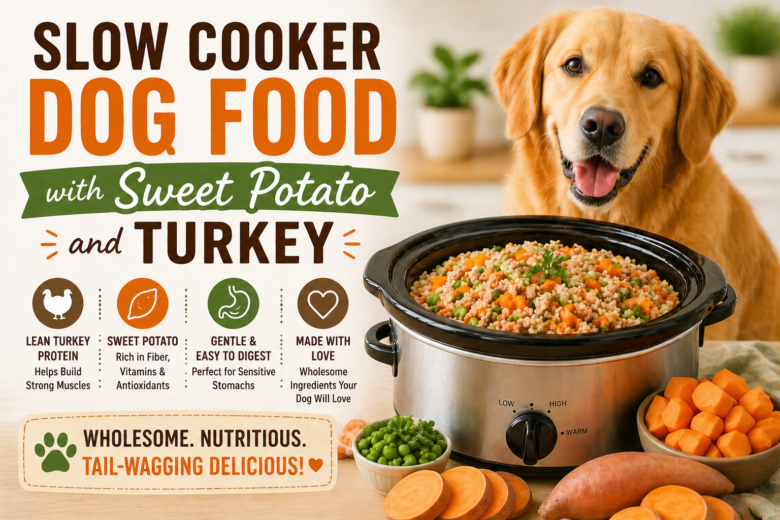
As pet parents, we constantly strive to provide the best for our furry companions, and their diet plays a pivotal role in their overall health and well-being. While commercial dog foods offer convenience, a growing number of owners are turning to homemade options to gain greater control over the ingredients their dogs consume. Among the myriad of homemade dog food recipes, slow cooker preparations featuring wholesome ingredients like sweet potato and turkey have gained significant popularity. This comprehensive guide delves into the benefits, nutritional considerations, and a detailed recipe for creating a delicious and healthy slow cooker dog food that your canine friend will adore.
The Allure of Homemade Dog Food
The decision to transition to homemade dog food often stems from a desire for transparency and quality. Commercial dog foods, despite regulatory oversight, can sometimes contain fillers, artificial preservatives, and ingredients of questionable origin. By preparing your dog’s meals at home, you can:
- Control Ingredients: You have complete oversight of what goes into your dog’s bowl, ensuring only fresh, high-quality, and species-appropriate ingredients are used. This is particularly beneficial for dogs with allergies or sensitivities, as you can easily avoid trigger ingredients.
- Avoid Unnecessary Additives: Homemade food eliminates the need for artificial colors, flavors, and preservatives often found in processed pet foods. This can contribute to better digestion and reduced exposure to potentially harmful chemicals.
- Tailor to Specific Needs: Whether your dog is a growing puppy, a senior with joint issues, or an adult with specific dietary requirements, homemade food can be customized to meet their unique needs. You can adjust protein, fat, and carbohydrate levels, and incorporate supplements as advised by your veterinarian.
- Enhance Palatability: Many dogs find homemade food far more appealing than kibble. The fresh aromas and textures can entice even the pickiest eaters, ensuring they receive adequate nutrition.
- Promote Hydration: Homemade dog food, especially those with a higher moisture content, can contribute to better hydration compared to dry kibble, which is particularly important for kidney health.
Why the Slow Cooker is a Game-Changer
The slow cooker is an invaluable tool for preparing homemade dog food. Its gentle, low-heat cooking method offers several advantages:
- Nutrient Preservation: The slow cooking process helps to retain more nutrients compared to high-heat cooking methods, ensuring your dog receives the maximum benefit from the ingredients.
- Convenience: Once the ingredients are prepped and added to the slow cooker, it requires minimal supervision, freeing up your time. You can set it and forget it, allowing the flavors to meld and the ingredients to tenderize over several hours.
- Enhanced Flavor and Aroma: The long cooking time in a slow cooker breaks down ingredients, releasing their natural flavors and creating a rich, aromatic meal that dogs find irresistible.
- Safety: Slow cooking ensures that meats are thoroughly cooked, eliminating harmful bacteria, while also making vegetables soft and easily digestible for dogs.
- Batch Cooking: Slow cookers are ideal for preparing large batches of food, which can then be portioned and frozen for convenient meals throughout the week.
The Power Duo: Sweet Potato and Turkey
Sweet potato and turkey are a match made in canine culinary heaven, offering a wealth of nutritional benefits that contribute to a dog’s vitality.
Turkey: A Lean Protein Powerhouse
Turkey is an excellent source of lean protein, essential for building and repairing muscles, supporting a healthy immune system, and providing sustained energy. It is also rich in:
- Tryptophan: An amino acid that plays a role in serotonin production, contributing to a dog’s mood and well-being.
- B Vitamins (B3, B6, B12): Crucial for energy metabolism, nerve function, and red blood cell formation.
- Selenium: An antioxidant that supports immune function and thyroid health.
- Phosphorus: Important for strong bones and teeth, and kidney function.
When selecting turkey, opt for lean ground turkey or boneless, skinless cuts to minimize fat content, especially if your dog is prone to weight gain or has a sensitive digestive system.
Sweet Potato: A Nutrient-Dense Carbohydrate
Sweet potatoes are a fantastic source of complex carbohydrates, providing a steady release of energy without the sugar spikes associated with simple carbohydrates. Beyond energy, sweet potatoes are packed with:
- Dietary Fiber: Promotes healthy digestion, aids in bowel regularity, and can help manage weight by providing a feeling of fullness.
- Beta-Carotene (Vitamin A): A powerful antioxidant that supports vision, skin health, and immune function. The vibrant orange color of sweet potatoes is a testament to their high beta-carotene content.
- Vitamin C: Another potent antioxidant that boosts the immune system and helps reduce inflammation.
- Potassium: Essential for proper nerve and muscle function, and maintaining fluid balance.
- Manganese: Plays a role in bone health, metabolism, and antioxidant defense.
Always cook sweet potatoes thoroughly and remove the skin, as raw sweet potatoes can be difficult for dogs to digest. Never feed your dog yams, as they are a different vegetable and can be harmful.
Essential Considerations for Homemade Dog Food
While homemade dog food offers numerous benefits, it’s crucial to ensure nutritional completeness and balance. Simply mixing ingredients without proper knowledge can lead to deficiencies or excesses that can harm your dog’s health in the long run. Here are key considerations:
Nutritional Balance is Paramount
Dogs have specific dietary requirements that differ from humans. A balanced homemade diet must include:
- Protein: High-quality animal protein is the cornerstone of a dog’s diet.
- Fats: Essential for energy, healthy skin and coat, and absorption of fat-soluble vitamins. Include healthy fats from sources like fish oil or flaxseed oil.
- Carbohydrates: Provide energy and fiber. Good sources include sweet potatoes, brown rice, and oats.
- Vitamins and Minerals: A wide array of vitamins and minerals are necessary for all bodily functions. While some are present in whole foods, supplementation is often required for homemade diets.
The Calcium-to-Phosphorus Ratio
One of the most critical aspects of a balanced homemade dog diet is the correct calcium-to-phosphorus ratio. Meat is naturally high in phosphorus but low in calcium. An imbalance can lead to serious skeletal and health issues, especially in growing puppies. The ideal calcium-to-phosphorus ratio for adult dogs is generally between 1:1 and 2:1. To achieve this balance, you will almost certainly need to add a calcium supplement, such as eggshell powder or a veterinary-approved calcium carbonate supplement.
Essential Supplements
Even with a carefully selected array of whole foods, homemade dog diets often lack certain essential nutrients. Common supplements needed include:
- Calcium Supplement: As mentioned, crucial for balancing phosphorus levels.
- Multivitamin/Mineral Supplement: A broad-spectrum supplement specifically formulated for dogs can help fill any nutritional gaps.
- Omega-3 Fatty Acids: Found in fish oil, these are vital for skin and coat health, joint health, and cognitive function.
- Probiotics: Can support gut health and digestion.
Always consult with your veterinarian or a board-certified veterinary nutritionist before adding any supplements to your dog’s diet to ensure they are appropriate for your dog’s individual needs and to determine the correct dosages.
Safe Vegetables and Fruits
While sweet potatoes are excellent, a variety of other vegetables and some fruits can add valuable nutrients and fiber to your dog’s diet. Safe options include:
- Green Beans: Low in calories and high in vitamins K, C, and manganese.
- Carrots: Rich in beta-carotene and fiber.
- Peas: A good source of vitamins A, K, and B, and minerals.
- Pumpkin (canned, plain): Excellent for digestive health and a good source of fiber.
- Blueberries: Packed with antioxidants.
- Spinach and Kale (in moderation): Nutrient-dense leafy greens.
Always avoid onions, garlic, grapes, raisins, avocados, and xylitol, as these are toxic to dogs.
Slow Cooker Dog Food Recipe: Sweet Potato and Turkey Feast
This recipe provides a foundational guide. Remember to adjust portion sizes based on your dog’s weight, activity level, and individual caloric needs. Always introduce new foods gradually to avoid digestive upset.
Yields: Approximately 10-12 cups
Prep time: 20 minutes
Cook time: 4-6 hours on high, or 6-8 hours on low
Ingredients:
- 2-3 pounds lean ground turkey (85% lean/15% fat is a good starting point)
- 4-5 medium sweet potatoes, peeled and diced into 1-inch cubes
- 2 cups green beans, fresh or frozen (cut into smaller pieces if large)
- 1 cup carrots, peeled and diced or shredded
- 1/2 cup peas, fresh or frozen
- 6-8 cups water or low-sodium chicken or vegetable broth (ensure no onion or garlic)
- 1-2 tablespoons olive oil or coconut oil (optional, for added healthy fats)
- Veterinary-approved calcium supplement (e.g., eggshell powder, calcium carbonate) – dosage as advised by your vet
- Veterinary-approved multivitamin/mineral supplement – dosage as advised by your vet
- Omega-3 fatty acid supplement (e.g., fish oil) – dosage as advised by your vet
Instructions:
- Brown the Turkey (Optional but Recommended): In a large skillet, lightly brown the ground turkey over medium heat. This step is optional but can enhance flavor and reduce excess fat. Drain any excess grease. If you prefer not to brown, you can add the raw ground turkey directly to the slow cooker.
- Combine Ingredients: Add the browned (or raw) ground turkey, diced sweet potatoes, green beans, carrots, and peas to your slow cooker.
- Add Liquid: Pour in the water or broth, ensuring the ingredients are mostly submerged. If using raw turkey, you might need slightly less liquid initially.
- Add Oil (Optional): If using, stir in the olive oil or coconut oil.
- Cook: Cover and cook on high for 4-6 hours, or on low for 6-8 hours, or until the sweet potatoes are very tender and the turkey is thoroughly cooked. The cooking time may vary depending on your slow cooker.
- Mash and Mix: Once cooked, carefully remove about half of the mixture and mash it with a potato masher or fork. This creates a more palatable texture for some dogs and helps distribute nutrients. Return the mashed portion to the slow cooker and mix everything thoroughly.
- Cool Completely: Allow the dog food to cool completely before adding supplements. This is crucial as heat can degrade some vitamins and probiotics.
- Add Supplements: Once cooled, stir in the veterinary-approved calcium supplement, multivitamin/mineral supplement, and omega-3 fatty acid supplement according to your veterinarian’s instructions. Mix very well to ensure even distribution.
- Portion and Store: Divide the cooled dog food into individual meal portions using airtight containers or freezer bags. Store in the refrigerator for up to 3-4 days, or freeze for up to 2-3 months.
Feeding Guidelines:
- Start Slowly: When introducing this new food, mix a small amount with your dog’s current food and gradually increase the proportion over 7-10 days to allow their digestive system to adjust.
- Portion Control: The amount your dog needs will depend on their size, age, activity level, and metabolism. A general guideline is approximately 1/2 cup to 1 cup of food per 10-15 pounds of body weight per day, divided into two meals. However, it’s best to consult your veterinarian for precise caloric and portion recommendations.
- Monitor Weight: Regularly monitor your dog’s weight and body condition. Adjust portion sizes as needed to maintain a healthy weight.
- Fresh Water: Always ensure your dog has access to fresh, clean water.
Transitioning to Homemade Dog Food Safely
Transitioning your dog to a homemade diet should be a gradual process to prevent digestive upset. A sudden change in diet can lead to vomiting, diarrhea, or a decreased appetite. Follow these steps for a smooth transition:
- Consult Your Veterinarian: Before making any significant dietary changes, always consult with your veterinarian. They can provide guidance on your dog’s specific nutritional needs, recommend appropriate supplements, and help you formulate a balanced diet.
- Gradual Introduction: Over a period of 7-10 days, gradually increase the amount of homemade food while decreasing their old food. A common schedule is: •Days 1-2: 25% homemade food, 75% old food
- Days 3-4: 50% homemade food, 50% old food
- Days 5-6: 75% homemade food, 25% old food
- Days 7-10: 100% homemade food
- Observe Your Dog: During the transition, closely monitor your dog for any signs of digestive upset, changes in appetite, or energy levels. If you notice any adverse reactions, slow down the transition or consult your veterinarian.
- Long-Term Monitoring: Even after a successful transition, continue to monitor your dog’s health, coat condition, energy levels, and stool quality. Regular veterinary check-ups are essential to ensure their long-term health on a homemade diet.
Conclusion
Preparing slow cooker dog food with sweet potato and turkey is a rewarding way to provide your canine companion with a nutritious, palatable, and wholesome meal. By taking control of the ingredients and ensuring proper nutritional balance with the guidance of your veterinarian, you can contribute significantly to your dog’s health and happiness. This homemade feast is not just food; it’s a labor of love that strengthens the bond between you and your beloved pet, ensuring they thrive on a diet crafted with care and consideration. Your dog deserves the best, and a homemade slow cooker meal is a wonderful step towards a healthier, happier life for them.