The rising prevalence of canine obesity has become a significant concern for pet owners and veterinarians alike. Just as in humans, excess weight in dogs can lead to a host of health complications, including diabetes, heart disease, joint issues, and a reduced lifespan. While commercial “weight management” diets are widely available, many pet owners are turning to homemade solutions to ensure their dogs receive high-quality, whole-food nutrition without the fillers and preservatives often found in processed kibble.
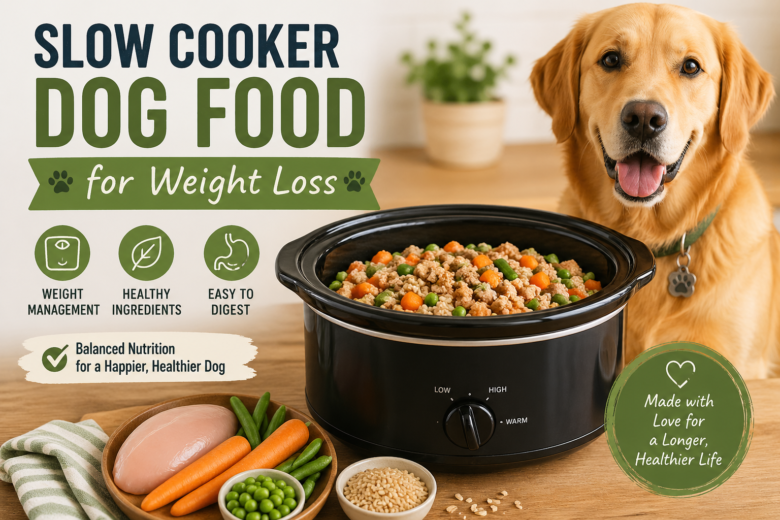
Utilizing a slow cooker is one of the most effective and convenient ways to prepare healthy, weight-loss-friendly meals for your canine companion. This guide explores the nutritional science behind canine weight loss, the benefits of slow cooking, and provides actionable recipes and portioning strategies to help your dog reach their ideal weight safely and deliciously.
The Science of Canine Weight Loss
Weight loss in dogs is fundamentally driven by a caloric deficit—consuming fewer calories than the body expends. However, simply reducing the volume of a dog’s current food can lead to nutritional deficiencies and a constantly hungry, begging pet. The key to successful weight loss is a diet that is high in protein, high in fiber, and low in fat and simple carbohydrates.
1. High Protein for Muscle Maintenance
When a dog is in a caloric deficit, the body may attempt to burn muscle tissue for energy. High-quality lean protein is essential to maintain lean muscle mass while the body burns fat. Muscle tissue is metabolically active, meaning it burns more calories at rest than fat tissue does.
2. High Fiber for Satiety
Fiber is the “secret weapon” in weight loss diets. It adds bulk to the meal without adding significant calories, helping your dog feel full and satisfied. Soluble and insoluble fibers also support digestive health and can help regulate blood sugar levels.
3. Controlled Carbohydrates
While dogs can utilize carbohydrates for energy, many commercial diets are overloaded with corn, wheat, and soy. For weight loss, focusing on low-glycemic carbohydrates like sweet potatoes or small amounts of brown rice ensures a steady release of energy without the insulin spikes that promote fat storage.
Why Choose a Slow Cooker?
The slow cooker (or “Crockpot”) is an ideal tool for preparing homemade dog food for several reasons:
- Nutrient Retention: Cooking at lower temperatures for longer periods helps preserve the integrity of vitamins and minerals that might be destroyed by high-heat processing.
- Enhanced Palatability: Slow cooking allows flavors to meld and softens tough fibers in vegetables, making the food more appealing to picky eaters.
- Convenience: You can prepare large batches of food with minimal active prep time. Once the ingredients are in the pot, the machine does the work.
- Cost-Effective: Buying lean meats and seasonal vegetables in bulk and preparing them at home is often more affordable than premium “fresh” dog food delivery services.
Essential Ingredients for Weight Loss
When formulating a weight-loss recipe for the slow cooker, aim for a ratio of approximately 40% lean protein, 50% fiber-rich vegetables, and 10% low-glycemic carbohydrates.
Lean Proteins
Avoid fatty cuts of meat. Instead, opt for:
- Ground Turkey (90-93% lean): An excellent source of protein and essential amino acids.
- Chicken Breast: Low in fat and highly digestible.
- White Fish (Cod, Tilapia): Extremely low calorie and rich in Omega-3 fatty acids.
- Bison or Venison: Lean, novel proteins that are often lower in fat than beef.
Fiber-Rich Vegetables
These should make up the bulk of the meal:
- Green Beans: The gold standard for dog weight loss. They are very low in calories and high in fiber.
- Broccoli and Cauliflower: Nutrient-dense and filling.
- Zucchini: High water content and low calories.
- Spinach and Kale: Rich in iron and antioxidants.
Healthy Carbohydrates (Use Sparingly)
- Sweet Potatoes: Rich in Vitamin A and fiber.
- Brown Rice: Provides B vitamins and complex carbohydrates.
- Pumpkin (Pureed): Excellent for digestion and satiety.
| Ingredient Category | Recommended Options | Benefits for Weight Loss |
| Lean Protein | Turkey breast, Chicken breast, Cod | Maintains muscle, high thermic effect |
| High Fiber Veggies | Green beans, Broccoli, Spinach | Increases satiety, low calorie density |
| Low Glycemic Carbs | Sweet potato, Brown rice | Sustained energy, prevents insulin spikes |
| Healthy Fats | Flaxseed oil, Fish oil | Supports coat health and joint function |
Slow Cooker Weight Loss Recipes
Recipe 1: The “Green Lean” Turkey Feast
This recipe focuses on high-volume, low-calorie vegetables to keep your dog full.
Ingredients:
- 3 lbs Lean Ground Turkey (93% lean)
- 2 cups Fresh or Frozen Green Beans (chopped)
- 1 cup Broccoli Florets
- 1 cup Shredded Carrots
- 1/2 cup Blueberries (antioxidant boost)
- 1 cup Water or Low-Sodium Chicken Broth (no onions/garlic)
Instructions:
- Place the ground turkey in the slow cooker and break it up with a spoon.
- Add the green beans, broccoli, carrots, and blueberries.
- Pour in the water or broth.
- Cover and cook on Low for 6-8 hours or High for 3-4 hours.
- Once cooked, stir thoroughly to break up the meat and mix the ingredients. Let it cool completely before serving.
Recipe 2: Harvest Chicken & Squash Medley
Butternut squash provides a sweet flavor that dogs love while remaining relatively low in calories.
Ingredients:
- 3 lbs Boneless, Skinless Chicken Breast (cubed)
- 2 cups Butternut Squash (peeled and cubed)
- 2 cups Zucchini (sliced)
- 1 cup Spinach (chopped)
- 1/2 cup Cooked Brown Rice
- 1 cup Water
Instructions:
- Place chicken and squash in the slow cooker.
- Add zucchini and water.
- Cook on Low for 7 hours.
- During the last 30 minutes of cooking, stir in the chopped spinach and cooked brown rice.
- Allow to cool and portion out.
Recipe 3: White Fish & Cauliflower “Rice”
For dogs that need a very low-calorie option, fish is an excellent choice.
Ingredients:
- 3 lbs White Fish (Cod or Tilapia)
- 3 cups Cauliflower (riced or finely chopped)
- 1 cup Peas (fresh or frozen)
- 1 cup Celery (finely chopped)
- 1 tablespoon Fish Oil (added after cooking)
- 1/2 cup Water
Instructions:
- Layer the fish fillets in the slow cooker.
- Top with cauliflower, peas, and celery.
- Add water.
- Cook on Low for 4-5 hours (fish cooks faster than poultry).
- Flake the fish with a fork and mix with the vegetables. Add the fish oil once the mixture has cooled to room temperature.
Calculating Portions and Calories
The most common mistake in homemade dog food is overfeeding. To lose weight, your dog must consume fewer calories than their Resting Energy Requirement (RER) for their target weight.
Step 1: Determine Target Weight
Consult your veterinarian to determine your dog’s ideal weight using a Body Condition Score (BCS). Do not guess, as even a few pounds can make a massive difference for a small dog.
Step 2: Calculate RER
Use the following formula for Resting Energy Requirement:
RER = 70 × (Target Weight in kg)^0.75
For a simpler estimate, you can use this table:
| Target Weight (lbs) | Target Weight (kg) | Estimated Daily Calories for Weight Loss |
| 10 lbs | 4.5 kg | 210 – 250 kcal |
| 20 lbs | 9.1 kg | 350 – 400 kcal |
| 50 lbs | 22.7 kg | 700 – 800 kcal |
| 80 lbs | 36.3 kg | 1,000 – 1,150 kcal |
Note: These are estimates. Individual metabolism varies based on age, breed, and activity level.
Step 3: Calorie Density of Homemade Food
Homemade slow cooker food typically ranges from 30 to 45 calories per ounce, depending on the meat-to-vegetable ratio. Using the recipes provided (which are high in green beans and zucchini), the density is approximately 35 kcal per ounce.
Transitioning Your Dog to Homemade Food
A sudden change in diet can cause gastrointestinal upset, including vomiting or diarrhea. Transition your dog slowly over a period of 7 to 10 days.
- Days 1-3: 25% homemade food, 75% old food.
- Days 4-6: 50% homemade food, 50% old food.
- Days 7-9: 75% homemade food, 25% old food.
- Day 10: 100% homemade food.
During this transition, monitor your dog’s stool consistency and energy levels. If you notice any issues, slow down the transition.
Monitoring Progress and Adjustments
Weight loss should be gradual. A safe rate of weight loss for dogs is 1% to 2% of their total body weight per week. Losing weight too quickly can lead to hepatic lipidosis (fatty liver disease), especially in smaller dogs.
Weekly Weigh-ins
Weigh your dog once a week at the same time of day. If your dog is not losing weight after two weeks, reduce the daily portion by 10%. If they are losing more than 2% per week, increase the portion slightly.
The Body Condition Score (BCS)
In addition to the scale, use the Body Condition Score to assess progress. You should be able to feel your dog’s ribs easily without a thick layer of fat covering them, and they should have a visible waistline when viewed from above.
Essential Safety Considerations
While homemade food offers many benefits, it is crucial to ensure the diet is nutritionally complete over the long term.
- Calcium/Phosphorus Balance: Meat is high in phosphorus but low in calcium. If you feed a 100% homemade diet indefinitely, you must add a calcium source (like crushed eggshells or a veterinary-approved supplement).
- Vitamins and Minerals: Homemade diets can lack essential trace minerals like zinc, copper, and iodine. Consult with a veterinary nutritionist to find a “balancer” supplement to mix into the food.
- Toxic Ingredients: Never include onions, garlic, chives, grapes, raisins, macadamia nuts, or Xylitol (often found in peanut butter) in your dog’s food.
- Veterinary Consultation: Always speak with your vet before starting a weight loss journey, especially if your dog has underlying health conditions like kidney disease or diabetes.
Helping your dog lose weight is one of the kindest things you can do for their long-term health and happiness. By utilizing the slow cooker to prepare high-protein, fiber-rich meals, you provide your pet with the nutrition they need to thrive while shedding excess pounds. Remember that weight loss is a marathon, not a sprint. Consistency, portion control, and a commitment to high-quality ingredients are the keys to success. With a bit of prep time and the help of your slow cooker, you can transform your dog’s health one bowl at a time.