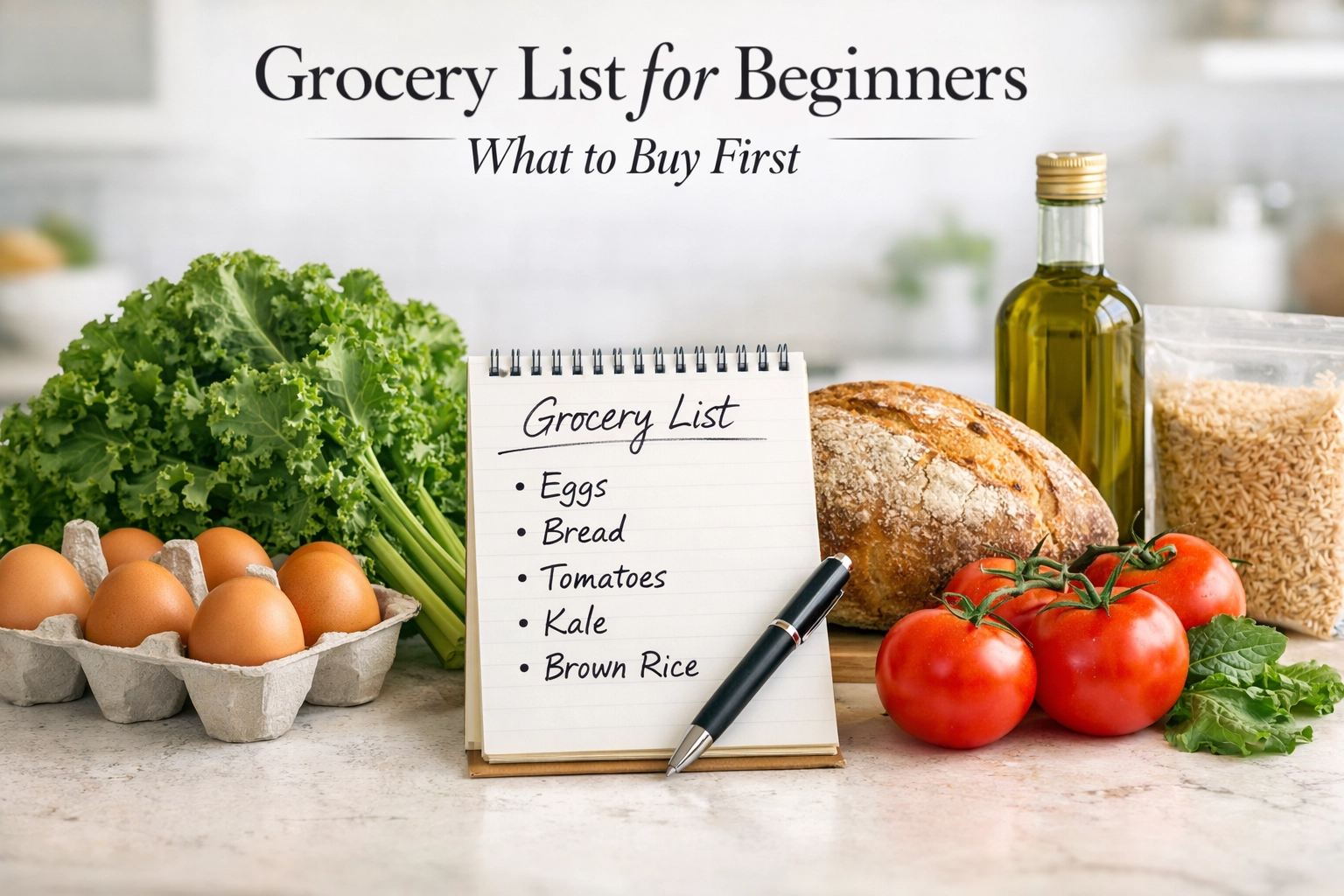
Grocery List for Beginners — What to Buy First
Navigating a grocery store for the first time can be overwhelming. With thousands of products lining the shelves, it’s easy to overspend on things you don’t need — or return home missing the one ingredient you actually came for. Developing a structured approach to grocery shopping is a fundamental skill for anyone looking to eat healthily, save money, and reduce food waste.
This guide provides a comprehensive breakdown of the essential items every beginner should have on their list, along with strategic tips for a successful — and stress-free — shopping trip.
The Importance of a Structured Grocery List
A well-organised grocery list is more than just a reminder of what to buy — it’s a tool for financial and nutritional management. By planning your purchases, you avoid the pitfalls of impulse buying and ensure your kitchen is stocked with versatile ingredients usable across multiple recipes.
Saves Money
Shoppers who use a list are more likely to stick to their budget and avoid costly impulse purchases.
Healthier Choices
Planning ahead means your trolley fills with ingredients you actually need rather than processed convenience foods.
Less Food Waste
Every item on a planned list has a purpose — nothing gets forgotten at the back of the fridge.
The Foundation — Pantry Staples
Pantry staples are the backbone of any kitchen. These items have a long shelf life and provide the base for countless dishes. Stocking these essentials means you can always pull together a simple meal even when your fresh supplies run low.
| Category | Essential Items | Why You Need Them |
|---|---|---|
| 🌾 Grains & Pasta | White or brown rice, dried pasta (spaghetti, penne), quinoa, oats | Versatile bases for stir-fries, bowls, and Italian dishes |
| 🫒 Oils & Fats | Olive oil, vegetable or canola oil, butter or margarine | Necessary for sautéing, roasting, and baking |
| 🧂 Seasonings | Salt, black pepper, garlic powder, onion powder, dried oregano, chili flakes | The key to making simple ingredients taste professional |
| 🥫 Canned Goods | Canned beans (chickpeas, black beans), diced tomatoes, tuna, chicken broth | Quick protein sources and bases for soups and sauces |
| 🍯 Baking & Sweeteners | All-purpose flour, granulated sugar, honey or maple syrup, baking soda | Essential for basic baking and sweetening beverages or oatmeal |
Fresh Produce — Fruits and Vegetables
Fresh produce provides essential vitamins, minerals, and fibre. For beginners, start with versatile items that have a decent shelf life and can be used in a variety of ways.
🥕 Vegetables — 6 EssentialsProteins — The Building Blocks
Protein is a vital component of a balanced diet. Depending on your dietary preferences, your list should include a mix of animal-based or plant-based proteins.
| Protein Source | Beginner-Friendly Options | Storage Tip |
|---|---|---|
| 🍗 Poultry | Chicken breasts or thighs | Can be frozen if not used within 2 days of purchase |
| 🥩 Red Meat | Ground beef or turkey | Versatile for tacos, pasta sauces, or burgers — freeze in portions |
| 🐟 Seafood | Frozen shrimp or salmon fillets | Frozen seafood is often fresher than “fresh” counter options |
| 🌱 Plant-Based | Tofu, tempeh, or lentils | Tofu is excellent for absorbing flavours in stir-fries and marinades |
| 🥚 Eggs | Large or extra-large eggs | A must-have for breakfast, baking, and quick protein any time of day |
Dairy and Refrigerated Essentials
The refrigerated section contains many daily necessities. While these items have shorter shelf lives than pantry staples, they are essential for many recipes and everyday snacks.
🧀 Refrigerated Must-HavesFrozen Foods — Convenience and Longevity
The freezer aisle is a beginner’s best friend. Frozen items are often just as nutritious as fresh ones and significantly reduce the risk of food waste.
❄️ Freezer Essentials — Your Safety NetStrategic Shopping Tips for Beginners
To make your grocery trip as efficient and cost-effective as possible, adopt these six habits from day one.
-
1Never Shop Hungry — Shopping on an empty stomach leads to impulsive, unhealthy, and expensive purchases. Research shows hungry shoppers are more likely to buy high-calorie processed foods. Eat a snack first.
-
2Shop the Perimeter — Most grocery stores are laid out with fresh produce, meat, and dairy around the edges. Focus your time here for the healthiest options; inner aisles typically contain more processed goods.
-
3Check Unit Prices — Look at the small print on the shelf tag to see the price per ounce or per 100g. Larger packages are not always cheaper per unit — the numbers don’t lie.
-
4Generic vs. Name Brand — For staples like salt, sugar, and canned beans, the store brand is often identical in quality to the name brand but significantly cheaper. Reserve brand loyalty for items where it genuinely matters to you.
-
5Plan Your Meals — Before you go, decide on 3–4 meals you want to make for the week. This ensures every item on your list has a purpose and dramatically reduces food waste.
-
6Understand Expiration Dates — “Best by” dates often refer to quality rather than safety. Learning the difference can help you avoid throwing away perfectly good food prematurely.
Sample “First-Week” Grocery List
For those starting from scratch, this balanced list covers everything you need to stock a new kitchen for the first week — without overbuying or overspending.
| Category | Item | Suggested Quantity |
|---|---|---|
| 🥦 Produce | Onions, garlic, bananas, spinach, carrots | 1 bag / bunch each |
| 🫙 Pantry | Olive oil, salt, pepper, rice, pasta | 1 bottle / box each |
| 💪 Protein | Chicken breast, eggs, canned beans | 1 pack / dozen / 2 cans |
| 🥛 Dairy | Milk, Greek yogurt, butter | 1 carton / tub / pack |
| ❄️ Frozen | Mixed vegetables, frozen berries | 1 bag each |
| 🥜 Snacks | Nuts or seeds, whole grain crackers | 1 bag / box each |