
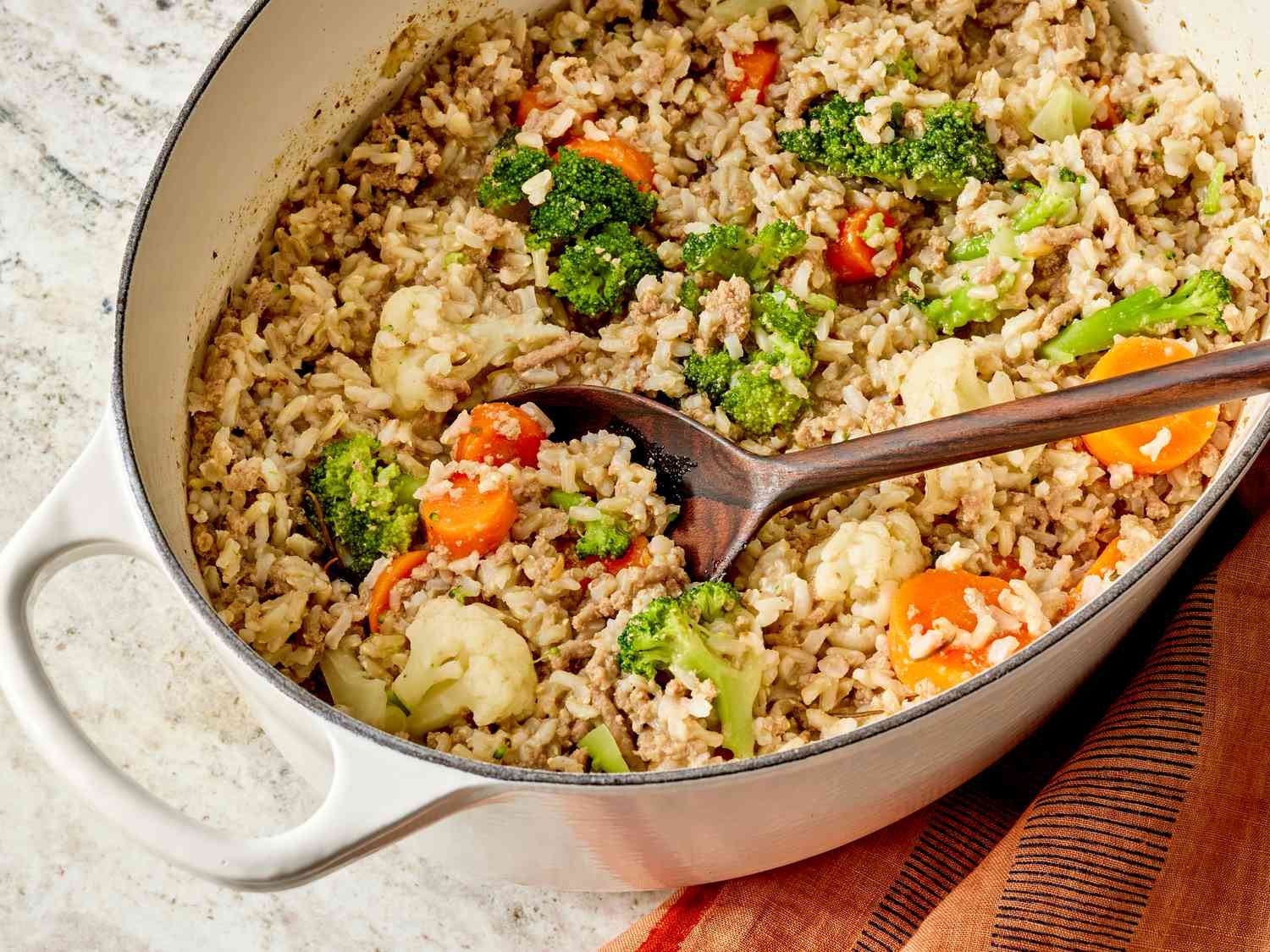
Vet-Approved Crockpot Dog Food: The Ultimate Guide to Balanced Homemade Nutrition
The trend toward home-cooked meals for pets has seen a massive surge in recent years. Pet parents are increasingly wary of the long ingredient lists and heavy processing associated with traditional kibble. Instead, they are turning to whole, human-grade ingredients that they can prepare in their own kitchens. Among the various methods of home cooking, the slow cooker (or Crockpot) has emerged as the gold standard for its convenience, ability to tenderize tough cuts of meat, and the way it preserves the moisture and flavor of fresh produce.
However, cooking for your dog isn’t as simple as tossing some meat and veggies into a pot. Dogs have complex nutritional requirements that differ significantly from humans. A meal that looks healthy to us might be dangerously deficient in essential minerals like calcium or vitamins like D and E for a canine. In fact, a landmark study published in the Journal of the American Veterinary Medical Association found that 94% of homemade dog food recipes found online are nutritionally incomplete.
This article provides a comprehensive, vet-approved guide to using your crockpot to create meals that are not only delicious but also scientifically balanced to support your dog’s long-term health.
The Benefits of Crockpot Cooking for Dogs
Slow cooking offers several unique advantages that make it the ideal method for preparing homemade dog food:
1. Enhanced Digestibility
The low-and-slow heat of a crockpot breaks down the cellular walls of vegetables and the connective tissues in meats. This process makes the nutrients more bioavailable, meaning your dog’s digestive system can absorb them more efficiently. This is particularly beneficial for senior dogs or those with sensitive stomachs.
2. Moisture Retention
Unlike baking or dehydrating, slow cooking keeps the moisture locked in. Many dogs, especially those prone to urinary tract issues or kidney disease, benefit from the high water content found in fresh, slow-cooked food.
3. Palatability for Picky Eaters
The slow simmering of meat in its own juices creates a rich, natural gravy that is irresistible to most dogs. If you have a “picky eater” who turns their nose up at dry kibble, fresh crockpot meals are often the solution.
4. Cost-Effectiveness
While premium “fresh” dog food delivery services are excellent, they can be prohibitively expensive for large dogs or multi-pet households. By purchasing ingredients in bulk and using a crockpot, you can provide the same level of nutrition at a fraction of the cost.
The Science of a Balanced Canine Diet
To be considered “vet-approved,” a recipe must meet the standards set by the Association of American Feed Control Officials (AAFCO). These standards ensure that a diet provides all the necessary amino acids, fatty acids, vitamins, and minerals in the correct proportions.
The Macro-Nutrient Ratios
While every dog is different, a general guideline for a healthy adult dog’s home-cooked diet often follows these ratios:
- Protein (40-50%): Essential for muscle repair, immune function, and enzyme production.
- Carbohydrates (25-30%): Provides energy and fiber for digestive health.
- Fats (5-10%): Crucial for skin and coat health, as well as brain function.
- Vegetables and Fruits (15-20%): Provides essential vitamins, minerals, and antioxidants.
The Micronutrient Challenge
The biggest pitfall of homemade diets is the lack of micronutrients. For example, meat is high in phosphorus but extremely low in calcium. Without added calcium, a dog can develop metabolic bone disease. Similarly, home-cooked meals often lack sufficient zinc, iron, and Vitamin E. This is why supplementation is mandatory for any long-term homemade diet.
Essential Ingredients for Your Crockpot
When selecting ingredients for your dog’s crockpot meals, quality and safety are paramount.
Safe Proteins
- Chicken Thighs: Higher in fat and flavor than breasts, making them more palatable and providing essential fatty acids.
- Lean Ground Beef: An excellent source of iron and B vitamins.
- Turkey: A lean protein that is often easier for dogs with beef or chicken allergies to digest.
- Organ Meats: Liver and hearts are “nature’s multivitamins,” packed with Vitamin A and taurine. However, they should only make up about 5-10% of the total diet.
Healthy Carbohydrates
- Sweet Potatoes: Rich in beta-carotene and fiber.
- Brown Rice: Provides long-lasting energy and is gentle on the stomach.
- Quinoa: A gluten-free seed that is high in protein and fiber.
- Russet Potatoes: A good source of potassium, though they should always be cooked thoroughly.
Beneficial Vegetables and Fruits
- Carrots: Great for eye health and dental hygiene.
- Green Beans: Low-calorie fillers that provide fiber and Vitamin K.
- Kale or Spinach: Nutrient-dense greens (use in moderation).
- Apples: A great source of Vitamin C and pectin (always remove seeds and the core).
- Blueberries: Packed with antioxidants.
The “Must-Have” Supplements
A vet-approved crockpot recipe is only complete if it includes a balancing supplement. Most veterinary nutritionists recommend using a DIY Nutrient Blend specifically formulated for homemade diets. These blends typically include:
- Calcium Carbonate: To balance the high phosphorus in meat.
- Omega-3 Fatty Acids (Fish or Algae Oil): For heart health and a shiny coat.
- Specific Amino Acids: Like Taurine (especially for certain breeds prone to heart issues).
- Vitamins D and E: Which are difficult to source in sufficient quantities from whole foods alone.
Important: Never use human multivitamins for dogs, as they may contain levels of certain vitamins (like Vitamin D) that are toxic to canines, or artificial sweeteners like xylitol.
Foods to Never Put in Your Crockpot
Safety is the first priority. Avoid these toxic foods at all costs:
- Onions and Garlic: Can cause oxidative damage to red blood cells, leading to anemia.
- Grapes and Raisins: Can cause acute kidney failure.
- Macadamia Nuts: Can cause weakness, vomiting, and tremors.
- Chocolate and Caffeine: Highly toxic to the heart and nervous system.
- Xylitol: A common sweetener in peanut butter and yogurt that can cause life-threatening hypoglycemia.
- Cooked Bones: While raw bones can be okay under supervision, never put bones in a crockpot. They become brittle and can splinter, causing internal perforations.
Vet-Approved Recipe #1: Slow Cooker Chicken & Rice
This recipe is inspired by the protocols developed by JustFoodForDogs, a leader in vet-recommended fresh nutrition.
Ingredients (Yields approx. 9 lbs)
- 2 lbs 11 oz Chicken Thighs (boneless, skinless, diced)
- 14 oz Chicken Liver (diced)
- 11 oz White Rice (dry)
- 6.4 oz Brown Rice (dry)
- 8 oz Carrots (finely chopped)
- 8 oz Kale (finely chopped)
- 4.8 oz Red Apples (cored, seeded, finely chopped)
- 1.5 tsps Sunflower Oil
- 1/2 tsp Omega-3 Fish or Algae Oil
- 2.16 cups Water
- 7.5 tbsps Vet-Recommended DIY Nutrient Blend (Add after cooking)
Cooking Instructions
- Add chicken thighs, chicken liver, and water to the crockpot.
- Stir in the white rice, brown rice, carrots, kale, and apples.
- Cover and cook on Low for 6-8 hours or High for 3-4 hours.
- Once the rice is tender and the meat is cooked through, turn off the heat and allow the mixture to cool to room temperature.
- Stir in the sunflower oil and Omega-3 oil.
- Crucial Step: Once completely cool, stir in the DIY Nutrient Blend thoroughly. Adding the vitamins while the food is hot can destroy some of the heat-sensitive nutrients.
Vet-Approved Recipe #2: Beef & Russet Potato Feast
A hearty, protein-rich meal ideal for active adult dogs.
Ingredients (Yields approx. 11.5 lbs)
- 5 lbs Ground Beef (85% lean)
- 2 lbs 8 oz Beef Liver (diced)
- 3 lbs 9 oz Russet Potatoes (diced, with skin)
- 1 lb 14 oz Sweet Potatoes (diced, with skin)
- 5 oz Carrots (finely chopped)
- 5 oz Green Beans (finely chopped)
- 2.5 oz Green Peas
- 2.5 oz Red Apples (cored, seeded, finely chopped)
- 3.75 oz Sunflower Oil
- 1 tbsp Omega-3 Fish or Algae Oil
- 3 tbsps Vet-Recommended DIY Nutrient Blend (Add after cooking)
Cooking Instructions
- Brown the ground beef in a skillet slightly to drain excess fat if desired, or add directly to the crockpot for a richer meal.
- Add the beef liver, potatoes, sweet potatoes, carrots, green beans, peas, and apples to the crockpot.
- Add enough water to just cover the ingredients (approx. 2-3 cups).
- Cook on Low for 8 hours.
- Mash the potatoes slightly to create a consistent texture.
- Allow the mixture to cool completely before stirring in the oils and the DIY Nutrient Blend.
How to Transition Your Dog to Homemade Food
Abruptly switching your dog’s diet can lead to gastrointestinal upset, including vomiting and diarrhea. A slow transition over 7 to 10 days is recommended:
| Days | Homemade Food | Current Kibble |
| 1-3 | 25% | 75% |
| 4-6 | 50% | 50% |
| 7-9 | 75% | 25% |
| 10+ | 100% | 0% |
Monitor your dog’s stool consistency and energy levels during this period. If you notice any issues, slow down the transition.
Storage and Safety Tips
- Refrigeration: Homemade food can be stored in an airtight container in the refrigerator for up to 4 days.
- Freezing: For longer storage, portion the food into meal-sized containers or freezer bags. It will stay fresh for up to 3 months in the freezer.
- Reheating: Thaw frozen portions in the refrigerator overnight. You can warm the food slightly in the microwave, but ensure there are no “hot spots” that could burn your dog’s mouth.
- Crockpot Safety: Always ensure your crockpot is on a heat-safe surface and away from the edge of the counter where a curious dog might reach it.
Frequently Asked Questions (FAQs)
1. Is it cheaper to make my own dog food?
Generally, yes, especially if you buy ingredients in bulk or on sale. However, when you factor in the cost of high-quality proteins and the necessary nutrient supplements, it is usually more expensive than budget kibble but significantly cheaper than commercial fresh food delivery.
2. Can I substitute ingredients?
You can substitute similar vegetables (e.g., spinach for kale), but be very careful with protein or carbohydrate substitutions. Different meats have different fat contents and amino acid profiles. If you make significant changes, the recipe may no longer be balanced.
3. Can puppies eat these recipes?
Puppies have much higher requirements for calcium and phosphorus than adult dogs. While the Chicken & Rice recipe provided above is formulated for growth, you must ensure you are using a nutrient blend specifically designed for puppies. Always consult your vet before feeding a homemade diet to a growing puppy.
4. How much should I feed my dog?
Feeding amounts depend on your dog’s weight, age, and activity level. A general rule of thumb is to feed roughly 2-3% of your dog’s ideal body weight in fresh food per day, split into two meals. However, it is best to use a caloric calculator or consult your vet to get a precise recommendation.
Conclusion: The Path to a Healthier Pup
Switching to a vet-approved crockpot diet is one of the most loving things you can do for your dog. By taking control of the ingredients and using a slow cooker to maximize nutrition and flavor, you are providing a level of care that processed kibble simply cannot match.
However, remember that balance is everything. Without the proper supplements and a commitment to following vet-approved recipes, homemade food can do more harm than good. Start slow, consult with your veterinarian, and enjoy the peace of mind that comes from knowing exactly what is in your dog’s bowl.
Disclaimer: This article is for informational purposes only and does not replace professional veterinary advice. Always consult with your veterinarian or a board-certified veterinary nutritionist before making significant changes to your pet’s diet.