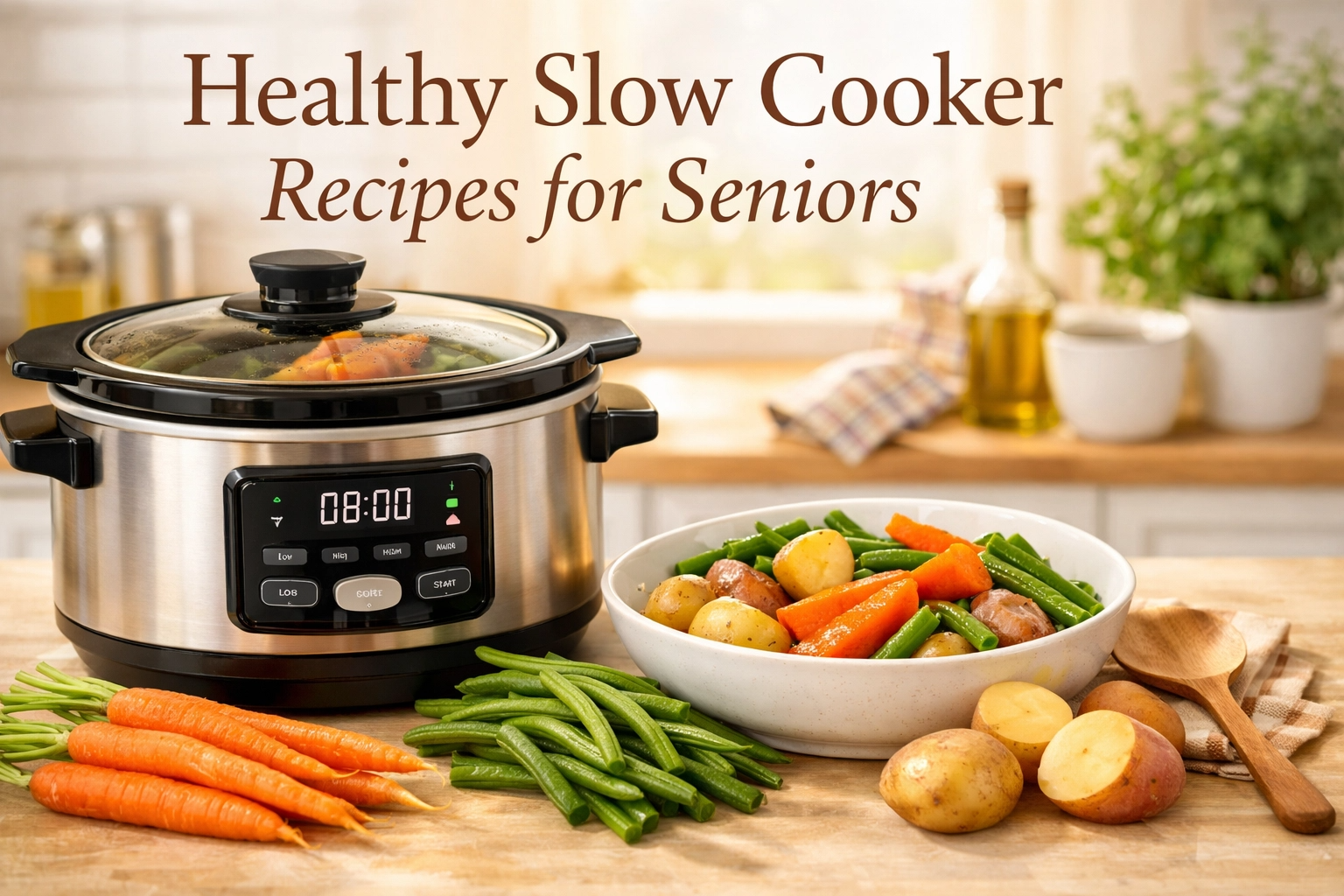
As we age, maintaining a healthy and balanced diet becomes more crucial than ever. Yet, the physical demands of daily cooking — standing for long periods, chopping ingredients, and scrubbing pots — can become a significant challenge. This is where the humble slow cooker emerges as an indispensable kitchen ally for seniors.
Offering a unique combination of convenience, health benefits, and safety, slow cookers make it possible to enjoy delicious, home-cooked meals with minimal effort. This guide explores why slow cookers are ideal for seniors, provides essential tips for getting started, and offers a wide array of recipes tailored to common dietary needs.
The Slow Cooker Advantage for Seniors
Slow cookers cook food at a low, steady temperature over several hours. This “set it and forget it” approach is perfectly suited to the senior lifestyle, providing benefits that go far beyond simple convenience.
| Benefit | Description |
|---|---|
| Easy, Hands-Free Cooking | Most recipes require you to simply place the ingredients inside, set the timer, and walk away — eliminating constant monitoring and reducing physical strain. |
| Gentle on Digestion | The long, low-temperature cooking process breaks down tough cuts of meat and fibrous vegetables into tender, moist, easy-to-chew meals — ideal for seniors with dental issues or digestive sensitivities. |
| Energy-Saving & Convenient | Compared to a conventional oven, a slow cooker uses significantly less electricity. One-pot meals mean fewer dishes to wash, and a slow cooker liner makes cleanup virtually effortless. |
Health Benefits of Slow Cooking
The slow cooking process retains more nutrients compared to boiling or frying, where vitamins can be lost to high heat or cooking liquids. Vegetables maintain their vibrant colours and essential vitamins.
The enclosed, moist cooking environment also naturally enhances the flavours of ingredients, reducing the need for added salt, fats, or oils — excellent for diabetic-friendly, low-salt, and soft food diets.
Tips for Slow Cooking for Seniors
Choosing the Right Slow Cooker
- Size For individuals or couples, a 1.5 to 3-quart model is ideal. Larger families or those who enjoy batch cooking may prefer 4–6 quart models.
- Features Look for programmable timers that automatically switch to a “warm” setting once cooking is complete — this prevents overcooking and keeps food at a safe temperature.
- Ease of Use Prioritise models with simple controls, large display screens, and easy-to-grip handles. Removable, dishwasher-safe inserts are a plus for effortless cleanup.
Safety Tips
- Placement Always place the slow cooker on a stable, heat-resistant surface, away from the counter edge to prevent accidental spills or falls.
- Handling Hot Liquids Use oven mitts or pot holders when handling the hot ceramic insert or lid. Be mindful of steam when lifting the lid, as it can cause burns.
- Food Safety Never place frozen meat or vegetables directly into the slow cooker — thaw all ingredients completely before adding them. Fill the cooker between half and two-thirds full to ensure even cooking.
Preparing Ingredients in Advance
- Chopping Ahead Chop vegetables like carrots, celery, and onions in advance and store in airtight containers in the refrigerator. Many grocery stores also offer pre-chopped vegetables.
- Pre-Soaking Beans If using dried beans, soaking them overnight reduces cooking time and improves digestibility.
Portioning and Storing Leftovers
- Cooling Allow cooked food to cool slightly before portioning. Divide into individual servings and store in shallow, airtight containers.
- Refrigeration & Freezing Refrigerate leftovers within two hours of cooking — safely stored for up to four days in the fridge, or longer in the freezer. Label containers with the date.
- Reheating Always reheat leftovers to an internal temperature of 165°F (74°C) to ensure food safety.
Breakfast Recipes: A Warm Start to the Day
Slow cookers make nutritious mornings incredibly easy, allowing for overnight cooking that wakes you up to a ready-to-eat breakfast.
Overnight Oatmeal Variations
Steel-cut oats are ideal for slow cooking — they maintain their texture without becoming mushy. Combine with water or milk and your choice of flavorings before bed. Cook on Low for 6–8 hours.
- Apple Cinnamon: Diced apples, a sprinkle of cinnamon, and a touch of maple syrup or honey for natural sweetness.
- Berry Blend: Mixed berries (fresh or frozen) for antioxidants and a burst of flavour.
- Nutty Delight: A tablespoon of almond butter or finely chopped walnuts for healthy fats and protein.
Slow-Cooked Egg Dishes
- Frittatas: Whisk eggs with a splash of milk, sautéed spinach, diced bell peppers, and a small amount of low-fat cheese. Cook on low until set (2–3 hours). Soft and easy to chew.
- Egg Casseroles: Layer thawed hash browns, cooked lean turkey sausage or ham, and whisked eggs. Season with chives or parsley for a balanced, protein-rich meal.
Breakfast Casseroles with Soft Vegetables and Lean Proteins
- Sweet Potato and Kale Casserole: Mashed sweet potatoes with sautéed kale, lean ground turkey, and whisked eggs. Rich in natural sweetness, fibre, and lean protein.
- Vegetable and Cheese Bake: Soft-cooked zucchini, mushrooms, and onions mixed with eggs and a sprinkle of mild cheese. Cut vegetables into small, manageable pieces.
Lunch Recipes: Nourishing Midday Meals
These recipes are designed to be hearty yet easy to digest — perfect for a midday boost and easily made in advance to reduce daily cooking stress.
Hearty Soups and Stews
- Chicken Noodle Soup (Low-Sodium): Low-sodium chicken broth with shredded chicken breast, carrots, celery, and peas. Add cooked whole-wheat noodles towards the end to prevent mushiness.
- Vegetable Soup: Potatoes, green beans, corn, and diced tomatoes simmered in flavourful vegetable broth. Cook vegetables until very soft.
- Minestrone: Packed with vegetables, cannellini or kidney beans, small pasta, and herbs like oregano and basil in a low-sodium vegetable broth. High in fibre and deeply satisfying.
Soft Sandwiches and Pulled Protein Dishes
- Pulled Chicken or Turkey: Cooked with paprika, garlic powder, onion powder, and a splash of broth until incredibly tender. Serve on soft whole-wheat buns, as a salad topping, or alongside mashed vegetables.
- Slow-Cooked Pork Tenderloin: A lean cut seasoned with rosemary and thyme, cooked until fork-tender. Slice thin or shred for an easily digestible meal.
Bean and Lentil Dishes for Fibre and Protein
- Lentil Stew: Red or green lentils with diced carrots, celery, onions, and a rich tomato base. Add a bay leaf for extra flavour.
- Black Bean Soup: Pre-soaked dried black beans cooked with onions, garlic, bell peppers, and cumin. Blend a portion for a creamier, easier-to-consume texture.
- Chickpea and Vegetable Curry: A mild curry with chickpeas, spinach, diced sweet potatoes, and a light coconut milk base — all ingredients become very soft during slow cooking.
Dinner Recipes: Comforting Evening Meals
Slow cookers excel at creating comforting, hearty dinners with minimal fuss. Long cooking times ensure meats are incredibly tender and vegetables are soft.
Tender Meats with Vegetables
- Classic Pot Roast: Beef chuck roast slow-cooked with carrots, potatoes, and onions in low-sodium beef broth. The meat becomes incredibly tender, and the vegetables absorb the rich flavours of the broth.
- Lemon Herb Chicken Thighs: Chicken thighs with fresh lemon slices, rosemary, thyme, garlic, and a splash of chicken broth. Moist, tender, and easy to shred or cut.
- Turkey Breast with Cranberry Sauce: A lighter option — slow-cooked turkey breast with a homemade, low-sugar cranberry sauce added during the last hour for a festive and healthy meal.
Fish and Seafood Cooked Gently
- Slow Cooker Salmon with Dill and Lemon: Salmon fillets on a bed of sliced zucchini or asparagus with fresh dill and lemon. Cook on High for 1–2 hours or Low for 2–3 hours until flaky and tender.
- Cod with Tomatoes and Olives: Mild cod fillets simmered with diced tomatoes, pitted olives, garlic, and herbs. A light Mediterranean-inspired dish rich in omega-3 fatty acids.
One-Pot Vegetable Medleys
- Ratatouille-Style Vegetable Stew: Eggplant, zucchini, bell peppers, onions, and tomatoes slow-cooked with basil and oregano. Naturally low in calories, high in fibre, and all vegetables become very soft.
- Root Vegetable and Lentil Stew: Carrots, parsnips, sweet potatoes, and lentils in a savoury broth. A hearty vegetarian option rich in complex carbohydrates and plant-based protein.
Snacks and Sides: Healthy Additions to Any Meal
Slow cookers aren’t just for main courses — they can also create delicious and healthy snacks and sides that are soft, easy to prepare, and packed with nutrients.
Slow-Cooked Mashed Vegetables
- Sweet Potatoes: Cubed and slow-cooked until fork-tender, then mashed with a touch of butter or olive oil and a sprinkle of cinnamon. Rich in vitamins and natural sweetness.
- Butternut Squash: Slow-cooked and mashed for a creamy, nutritious side. A pinch of nutmeg enhances the flavour beautifully.
- Cauliflower Mash: A lower-carb alternative — florets cooked until very soft and mashed with a little milk and seasoning for a texture similar to mashed potatoes.
Bean Dips and Spreads
- Black Bean Dip: Pre-soaked black beans slow-cooked with onions, garlic, cumin, and chili powder until very soft. Mash or blend into a smooth dip and serve with soft whole-wheat crackers or vegetable sticks.
- Hummus from Dried Chickpeas: Slow-cooked dried chickpeas yield an incredibly creamy hummus base. Blend with tahini, lemon juice, garlic, and a little water for a nutritious spread.
Warm Fruit Compotes
- Apple and Pear Compote: Diced apples and pears slow-cooked with a cinnamon stick and a hint of vanilla extract. Excellent on its own or served with a dollop of plain yogurt.
- Mixed Berry Compote: Fresh or frozen berries with a touch of lemon juice, slow-cooked into a vibrant, antioxidant-rich sauce — perfect as a dessert or oatmeal topping.
Dietary Considerations for Seniors
As individuals age, nutritional needs and dietary restrictions often evolve. Slow cooking offers a versatile platform to address these specific considerations.
🧂 Low-Sodium
- Use herbs and spices — garlic powder, paprika, oregano, rosemary, thyme — instead of salt
- Always opt for low-sodium chicken, beef, or vegetable broths
- A squeeze of lemon juice or splash of vinegar can brighten flavours without sodium
🩺 Diabetic-Friendly
- Use high-fibre whole grains — brown rice, quinoa, barley — and legumes to slow sugar absorption
- Choose lean proteins: chicken breast, turkey, fish, beans, and lentils
- Rely on the natural sweetness of vegetables and fruits rather than added sugars
🌿 High-Fibre
- Load meals with a wide variety of vegetables — leafy greens, root vegetables, cruciferous vegetables
- Use beans, lentils, and chickpeas as a staple across soups, stews, chili, and curries
- Incorporate whole grains wherever possible
🥄 Soft / Easy to Chew
- The low, slow heat breaks down connective tissue in meats into fork-tender, fall-apart textures
- Vegetables cooked in a slow cooker become very soft — easy to mash or consume without strain
- Many slow-cooked dishes can be easily pureed for those with severe chewing or swallowing difficulties
Meal Prep and Planning: Maximising Convenience
By dedicating a little time upfront, seniors can enjoy healthy, home-cooked meals throughout the week with minimal daily effort.
Batch Cooking & Freezing
- Efficiency: Cook once, eat multiple times — saves time, energy, and reduces cleanup frequency
- Variety: Prepare a few different meals on a designated cooking day, then portion and freeze for a diverse weekly menu
- Availability: Pre-portioned freezer meals mean a nutritious option is always on hand
- Label each container with the dish name and date — most slow-cooked meals keep for up to 3 months frozen
Using Leftovers Creatively
- Pulled Meats: Use as a filling for soft tacos, wraps, salads, omelets, or a quick soup
- Vegetable Bases: Puree into a creamy soup, add to a frittata, or serve as a side with a different main
- Beans & Lentils: Repurpose as a hearty salad base, baked potato filling, or blended into a dip
Weekly Meal Planning Tips
- Assess Needs Consider dietary restrictions, preferences, and the number of meals needed for the week.
- Theme Nights Assign themes to days — “Soup Monday,” “Fish Friday” — to simplify decision-making.
- Shop Smart Create a grocery list based on your meal plan to avoid impulse purchases and ensure all necessary ingredients are on hand.
- Involve Others Where possible, involve family members or caregivers in meal planning and preparation — it makes the process more enjoyable and less burdensome.
Recap: Easy, Healthy, and Nutritious Meals
The slow cooker offers a powerful solution to the challenges of preparing healthy, home-cooked meals, transforming what can often be a daunting task into an effortless and enjoyable experience.
- Ease and Convenience: The “set it and forget it” nature significantly reduces the physical and mental burden of meal preparation, ideal for those with limited mobility or energy.
- Digestive Comfort: The gentle, prolonged cooking process tenderises ingredients, making meals easier to chew and digest.
- Nutritional Preservation: Slow cooking retains essential vitamins and minerals, ensuring every meal is packed with nutrients vital for senior health.
- Dietary Adaptability: Effortlessly accommodates low-sodium, diabetic-friendly, and soft-food diets, promoting better health management.
- Cost and Energy Efficiency: Uses less electricity than a conventional oven and makes economical cuts of meat tender — a budget-friendly cooking solution.
- Meal Planning and Batch Cooking: Large quantities prepared for future consumption simplify meal planning, reduce waste, and ensure a consistent supply of healthy meals.
Embracing the slow cooker is more than just adopting a new cooking method — it’s about prioritising health, convenience, and the joy of a well-prepared meal. It empowers seniors to maintain their independence in the kitchen and continue enjoying delicious, nutritious, and comforting food for years to come.