As we age, maintaining a healthy diet becomes increasingly important for physical health, cognitive function, and overall quality of life. However, the physical demands of traditional cooking — standing for long periods, chopping tough vegetables, and managing multiple pots on a hot stove — can become challenging for many seniors.
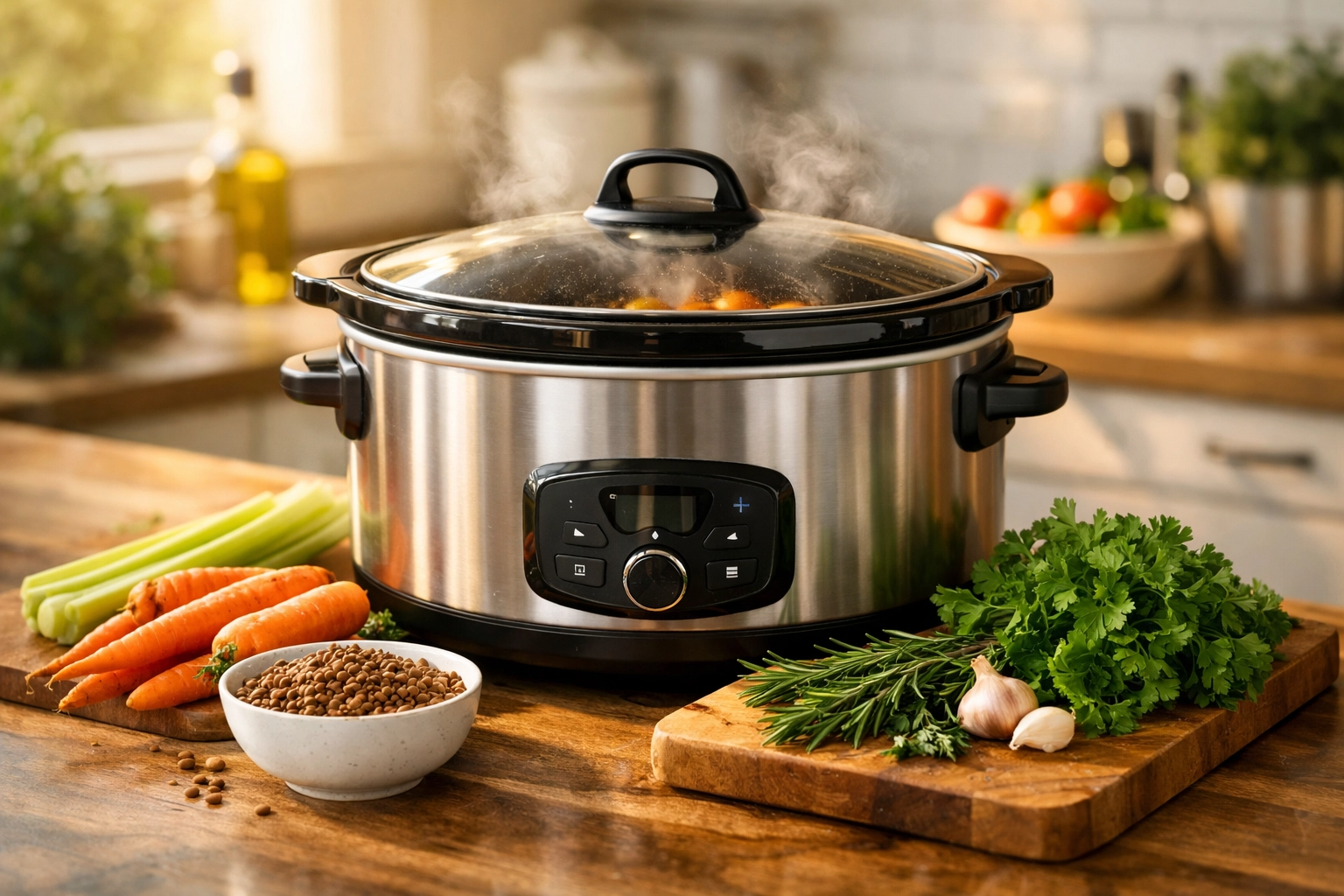
This is where the slow cooker emerges as an invaluable tool for independent living. Beyond the convenience of “set it and forget it” preparation, slow cooking retains essential vitamins and minerals, tenderises meats, and softens vegetables — making meals much easier to chew and digest. This guide explores how to leverage the crockpot to create flavourful, simple, and highly nutritious meals tailored to the unique needs of seniors.
Nutritional Considerations for Elderly Meals
Nutritional requirements shift as the body ages, often necessitating a higher concentration of specific nutrients even as caloric needs may decrease. A well-planned crockpot meal can address these shifting needs effectively.
| Nutrient | Importance for Seniors | Slow Cooker Application |
|---|---|---|
| Protein | Essential for maintaining muscle mass and preventing sarcopenia (muscle loss). | Slow cooking tenderises lean meats like chicken breast, turkey, and lean beef, making them easy to consume. |
| Fibre | Critical for digestive health and maintaining stable blood sugar levels. | Beans, lentils, and root vegetables remain intact but soft, providing ample fibre in every spoonful. |
| Calcium & Vitamin D | Vital for bone density and reducing the risk of fractures or osteoporosis. | Dairy-based soups or the inclusion of leafy greens like kale and spinach can boost these levels. |
| Hydration | Seniors often have a diminished sense of thirst, leading to dehydration. | Broth-based soups and stews provide a significant source of fluid intake alongside the meal. |
To maximise health benefits, focus on low-sodium options — excessive salt can contribute to high blood pressure and fluid retention. Use low-sodium broths and emphasise herbs and spices for flavour rather than salt. Portion control is also simplified with crockpot cooking; meals can be divided into single-serving containers immediately after cooking.
Crockpot Tips for Seniors
- Use Pre-Chopped Ingredients Many grocery stores offer pre-cut vegetables, either fresh or frozen. Using these eliminates intensive knife work — a major benefit for those with arthritis or limited dexterity. Frozen vegetables are flash-frozen at peak ripeness, preserving their nutritional value.
- Choose Lean Proteins Opt for skinless poultry, lean cuts of beef, or plant-based proteins like beans and lentils. These are heart-healthy and become incredibly tender after several hours of slow cooking.
- Flavour Without Salt Instead of salt, experiment with garlic, onion powder, cumin, turmeric, and fresh herbs like parsley or rosemary. These add depth and complexity without impacting blood pressure.
- Food Safety Reminders Always ensure poultry and ground meats reach an internal temperature of at least 165°F. Thaw frozen meats in the refrigerator before placing them in the slow cooker to minimise time spent in the danger zone (40°F–140°F).
Easy Crockpot Meal Ideas
🍲 Soups and Stews
Soups are perhaps the most versatile slow cooker meals, offering high hydration and easy-to-chew textures.
- Chicken and Vegetable Soup: Chicken thighs (which stay moister than breasts), carrots, celery, and low-sodium chicken broth. Cook on low for 6 hours.
- Lentil and Vegetable Stew: A powerhouse of fibre and plant-based protein. Brown or green lentils with diced tomatoes, spinach, and vegetable broth.
- Beef Stew with Soft Vegetables: Lean stew meat with potatoes and parsnips. The long cooking time ensures the beef is perfectly fork-tender.
🌅 Breakfast Options
Waking up to a warm, ready-to-eat meal can start the day on a positive note.
- Overnight Oatmeal with Fruit: Steel-cut oats (not quick oats) with water or milk, cinnamon, and chopped apples or berries. Cook on low for 7–8 hours.
- Egg Casserole with Spinach and Cheese: Whisked eggs with milk, chopped spinach, and a sprinkle of cheddar. Cook in a greased slow cooker on low for 2–3 hours for a soft, protein-rich breakfast.
- Apple Cinnamon Porridge: A variation using a mix of quinoa and oats for a complete amino acid profile.
🍽️ Main Courses
- Crockpot Shredded Chicken or Turkey: Cook breasts or thighs with a small amount of broth, then shred with two forks. Use in sandwiches, salads, or over soft rice.
- Salmon with Vegetables: Salmon fillets on a bed of sliced lemons and asparagus with a splash of white wine or broth. Cook on low for only 1.5–2 hours to avoid drying out the fish.
- Meatballs in Tomato Sauce: Lean ground turkey or beef meatballs slow-cooked in low-sodium marinara sauce — kept moist and tender throughout.
🥗 Side Dishes
- Mashed Sweet Potatoes: Peeled and cubed sweet potatoes cooked with a little water or orange juice until soft, then mashed with a touch of cinnamon.
- Quinoa and Vegetable Medley: Quinoa is a “complete” protein and cooks beautifully in a slow cooker with mixed frozen vegetables and broth.
- Soft-Cooked Green Beans or Carrots: Slow cooked with a hint of garlic and olive oil — far easier to chew than steaming or sautéing.
🫙 Snacks and Light Meals
- Slow-Cooked Beans for Dips: Dried chickpeas or white beans cooked until very soft, then mashed or blended into a smooth hummus-style dip.
- Yogurt and Fruit Compote: Slow-cooked pears or peaches with a bit of honey to serve over Greek yogurt — a calcium-rich snack.
- Applesauce or Pear Compote: Naturally sweet and soft, excellent for digestion and easily made in large batches without added sugar.
Meal Prep & Storage Tips
For seniors, “cooking once and eating thrice” is a great way to save energy. Efficiency in the kitchen often comes down to how well you manage leftovers.
- Portion and Freeze: Once the meal has cooled slightly, divide into single-serving, microwave-safe containers. Label each with the date and contents.
- Reheat Safely: Never reheat leftovers directly in the slow cooker — it takes too long to reach a safe temperature. Use a microwave or small saucepan, ensuring the food reaches 165°F.
- Storage Duration: Most slow-cooked meals stay fresh in the refrigerator for 3–4 days, or in the freezer for up to 3 months.
Texture Modification and Dental Considerations
The crockpot is uniquely suited to soft-food diets — the long, moist cooking environment breaks down tough connective tissues in meat and softens even the hardiest root vegetables.
| Texture Level | Best Crockpot Foods | Preparation Tip |
|---|---|---|
| Soft & Bite-Sized | Stew meat, chicken thighs, carrots, potatoes | Cut all ingredients into ½-inch pieces before cooking to ensure uniform softness. |
| Minced & Moist | Shredded turkey, ground beef meatballs, lentils | Use a fork to finely shred meats while they are still warm and saturated with broth. |
| Pureed or Smooth | Butternut squash soup, blended bean dips, applesauce | After slow cooking, use an immersion blender directly in the pot to achieve a silky consistency. |
For those who require a pureed diet, the liquid remaining after cooking is a nutritional goldmine. Instead of draining it, use this flavourful broth as the liquid base for pureeing — this ensures that water-soluble vitamins (B-vitamins and Vitamin C) that may have leached into the liquid during cooking are still consumed. Adding a small amount of olive oil or avocado oil during blending can also increase caloric density for seniors managing unintended weight loss.
Tips for Independence and Safety
Several lifestyle adjustments can enhance the dining experience and safety for the elderly. Maintaining independence is a core goal of aging in place, and the slow cooker directly supports this objective.
⏲️ Smart Slow Cookers & Timers
A programmable “auto-warm” feature provides significant peace of mind — devices automatically switch to a low-heat setting once cooking is complete, preventing meals from drying out or burning. For those with memory concerns, this is a critical safety net.
🤲 Ergonomic Kitchen Tools
Pair slow cooking with ergonomic tools to reduce physical strain. A lightweight, silicone-handled ladle makes serving easier on the wrists. Non-slip mats placed under the crockpot prevent sliding on the counter during stirring.
👥 Social Connection Through Cooking
Preparing a large batch of stew or soup is an easy way to host a small gathering without the stress of multi-tasking. Sharing a warm, home-cooked meal is one of the simplest ways to combat the social isolation that many seniors face.
💧 Hydration Awareness
Seniors often have a diminished sense of thirst, which can lead to chronic dehydration. Broth-based soups and stews are an excellent way to supplement fluid intake. A small bowl of slow-cooked broth before the main meal can stimulate appetite and improve hydration.
Sample 7-Day Crockpot Meal Plan
| Day | Breakfast | Main Meal (Lunch/Dinner) |
|---|---|---|
| Monday | Overnight Apple Cinnamon Oats | Chicken and Vegetable Soup |
| Tuesday | Leftover Oats | Shredded Turkey with Soft Carrots |
| Wednesday | Egg and Spinach Casserole | Lentil and Vegetable Stew |
| Thursday | Leftover Casserole | Salmon with Asparagus |
| Friday | Apple Cinnamon Porridge | Beef Stew with Root Vegetables |
| Saturday | Leftover Porridge | Meatballs in Tomato Sauce over Quinoa |
| Sunday | Fresh Fruit and Yogurt | Leftover Beef Stew or Soup |
Grocery Shopping Checklist
Proteins
- Chicken thighs
- Lean stew beef
- Salmon fillets
- Eggs
- Greek yogurt
Vegetables
- Frozen mixed vegetables
- Carrots
- Celery
- Spinach
- Sweet potatoes
- Onions
Grains & Legumes
- Steel-cut oats
- Quinoa
- Brown lentils
- Canned chickpeas (low sodium)
Pantry Staples
- Low-sodium chicken/vegetable broth
- Olive oil
- Garlic powder
- Cinnamon
- Dried herbs
Nutrient Highlights Per Serving
| Recipe | Key Nutrient | Benefit |
|---|---|---|
| Lentil Stew | 12g Fibre | Supports digestion and heart health. |
| Chicken Soup | 25g Protein | Muscle maintenance and repair. |
| Egg Casserole | 150mg Calcium | Bone strength and density. |
| Salmon & Veg | Omega-3 Fatty Acids | Cognitive health and anti-inflammatory benefits. |