
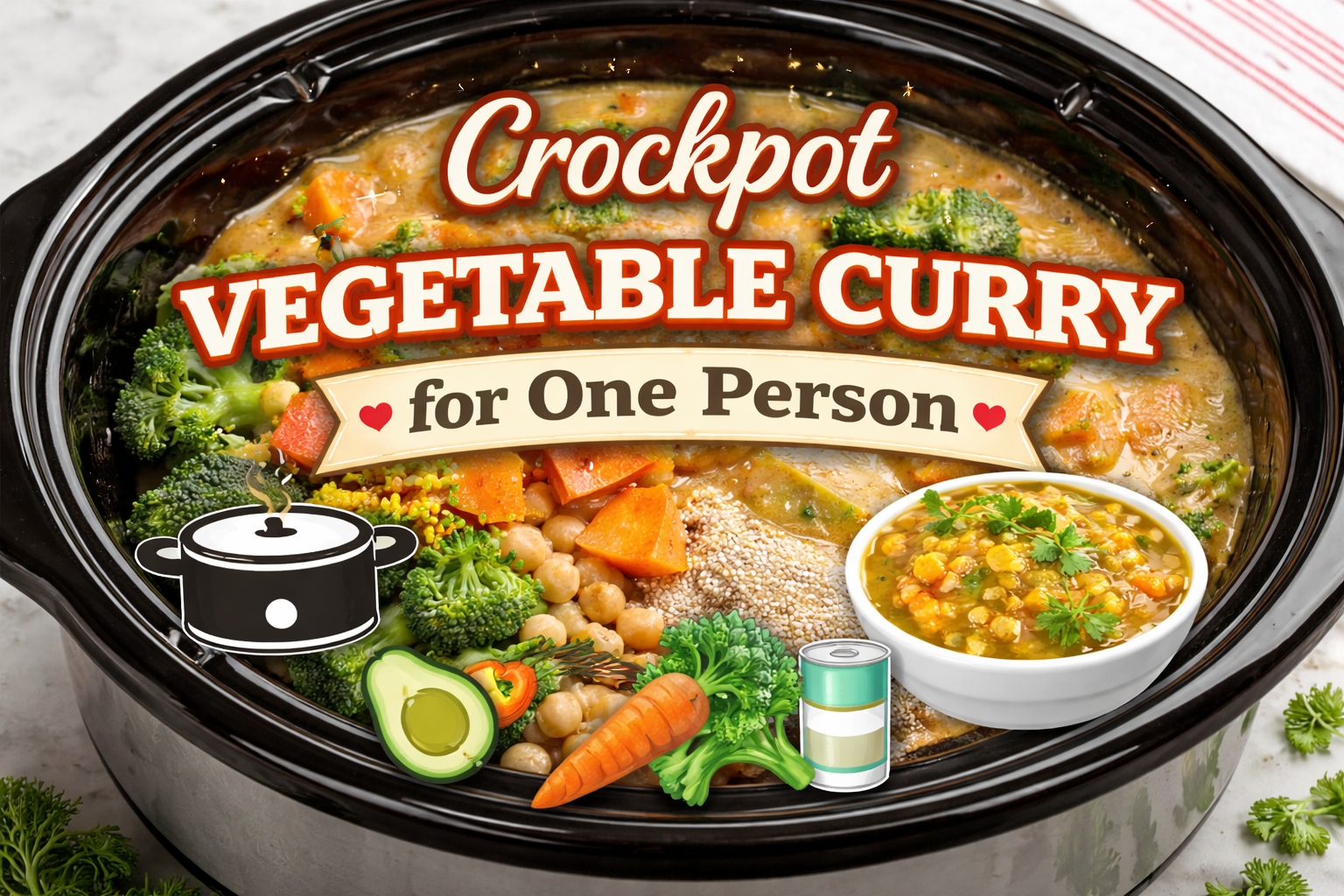
There is a quiet, profound beauty in preparing a meal solely for yourself. It is an act of self-care — a moment of culinary mindfulness that says your nourishment matters just as much as anyone else’s. And when it comes to the ultimate solo kitchen companion, the slow cooker stands unrivaled.
This guide explores the history of curry, the science of slow cooking for one, the ingredients that make this dish a nutritional powerhouse, and the full recipe — scaled perfectly for a single, deeply satisfying bowl.
A Brief History of Curry
To appreciate a bowl of curry is to appreciate a history spanning millennia. The word “curry” is a Western construct, likely derived from the Tamil word kari — a sauce or relish served with rice. Archaeological evidence from the Indus Valley Civilization suggests humans were grinding ginger, garlic, and turmeric as far back as 2500 BCE.
As trade routes expanded, so did the flavour profiles. The introduction of chili peppers by Portuguese traders in the 16th century forever altered Indian cuisine. Later, during the British Raj, “curry powder” was commercialised to give British officials a convenient way to recreate the flavours of India back home. Today, curry is a global phenomenon — from the coconut-heavy renditions of Thailand to the fiery vindaloos of Goa and the mild, fruit-infused katsus of Japan. By making a vegetable curry in your slow cooker, you participate in a culinary tradition that celebrates the slow, deliberate marriage of flavours.
Why the Slow Cooker is the Ultimate Companion for Singles
If you live alone, you know the struggle of the half-used ingredient — the quarter head of cauliflower that wilts forgotten, the giant pot of stew eaten for six days straight. The slow cooker solves both problems through scale and efficiency.
A small 1.5-quart slow cooker uses about the same electricity as a lightbulb — far more economical than heating a full-sized oven for a single portion.
Prep a meal in ten minutes in the morning. Return home to a fragrant, ready-to-eat dinner that eliminates the temptation of expensive, less healthy takeout.
Unlike quick stir-fries, slow cooking allows spices like cumin, coriander, and turmeric to bloom and permeate the vegetables over hours, creating richness a stovetop cannot replicate.
Slow cooking is incredibly forgiving. That slightly soft carrot or last handful of spinach can be tossed in — they will find new life in the flavourful sauce.
For solo cooking, a 1.5-quart or 2-quart slow cooker is ideal. If you only have a large 6-quart model, use the bain-marie method: place your ingredients in a heat-safe glass bowl inside the slow cooker, adding an inch of water around the base. This creates a smaller, more humid cooking environment without the risk of burning.
The Nutritional Powerhouses
A great vegetable curry is more than a meal — it is a bowl of medicine. These four ingredients do the heavy lifting, both in flavour and in health benefit.
Packed with protein and fibre to regulate blood sugar and provide lasting fullness. In a slow cooker, canned chickpeas hold their shape beautifully while absorbing the surrounding spices.
Rich in beta-carotene, Vitamin C, and potassium. As they slow-cook, they release natural sugars that thicken the sauce and provide a gentle sweetness to balance the heat of the spices.
The healing trio. Curcumin — the active compound in turmeric — is best absorbed when combined with heat, fat (provided here by the coconut milk), and black pepper. All three are potent anti-inflammatories.
Provides the essential fats needed to make this meal satisfying and nutritionally complete. Creates a silky mouthfeel while carrying the fat-soluble vitamins from the vegetables into every spoonful.
The Layering Technique: Avoiding the Mush
The most common complaint about slow cooking is uniform, soft texture. The solution is deliberate layering — placing ingredients in the correct order so each one receives the right amount of heat exposure.
-
The Foundation
Harder root vegetables — sweet potatoes and carrots — go at the bottom. They sit closest to the heating element and take the longest to soften. Starting them here ensures they are perfectly tender when everything else is done.
-
The Middle
Legumes and aromatics — chickpeas and diced onion — go in the middle. They need significant heat but benefit from being slightly insulated from the direct base temperature.
-
The Finish
Delicate greens — spinach or kale — should never go in at the start. They need only 5–10 minutes of residual heat to wilt. Adding them at the very end preserves their vibrant colour and nutritional integrity.
The Ultimate Slow Cooker Vegetable Curry for One
Perfectly scaled for a single, deeply satisfying bowl. Everything measured for one hungry person — no leftovers unless you want them.
Three Ways to Pivot the Flavour
Once you have the base recipe mastered, these variations transform it entirely — all still perfectly scaled for one.
Serving Suggestions & Accompaniments
This curry is a complete meal on its own — but these additions elevate a satisfying bowl into a truly considered dinner for one.
The classic pairing — light, fragrant, and the perfect vehicle for the sauce.
Adds a nutty texture and extra protein. Cook a small portion alongside the curry.
For scooping and dipping. Store-bought naan warmed directly over a gas flame or in a dry pan is excellent.
A dollop on top neutralises heat and adds a creamy, cooling contrast.
Grated cucumber stirred into yogurt with a pinch of cumin — refreshing and effortless.
Scattered over the finished bowl, they add the textural contrast the soft vegetables need.
Storing & Reheating
Like most spiced dishes, this curry often tastes better the following day as the flavours continue to deepen and meld overnight.
Airtight container. The sauce thickens as the sweet potato absorbs liquid — stir in a splash of broth or water when reheating.
Freezes exceptionally well. Cool completely before transferring to a freezer-safe bag or container. Thaw overnight in the fridge.
Add a splash of water or broth to loosen the sauce. Reheat gently — the vegetables are already fully cooked and need only warming through.
The Most Important Guest
Cooking for yourself is an exercise in autonomy. It allows you to tailor every spice, every vegetable, every texture to your exact preference — with no compromise, no negotiation, and no leftovers unless you want them.
The next time you find yourself alone on a Tuesday evening, resist the urge to reach for the cereal box. Reach for your slow cooker instead. Let the aroma of ginger and turmeric fill your home, and treat yourself to the nourishing, soulful meal you deserve. After all, the most important guest you will ever cook for is yourself.