
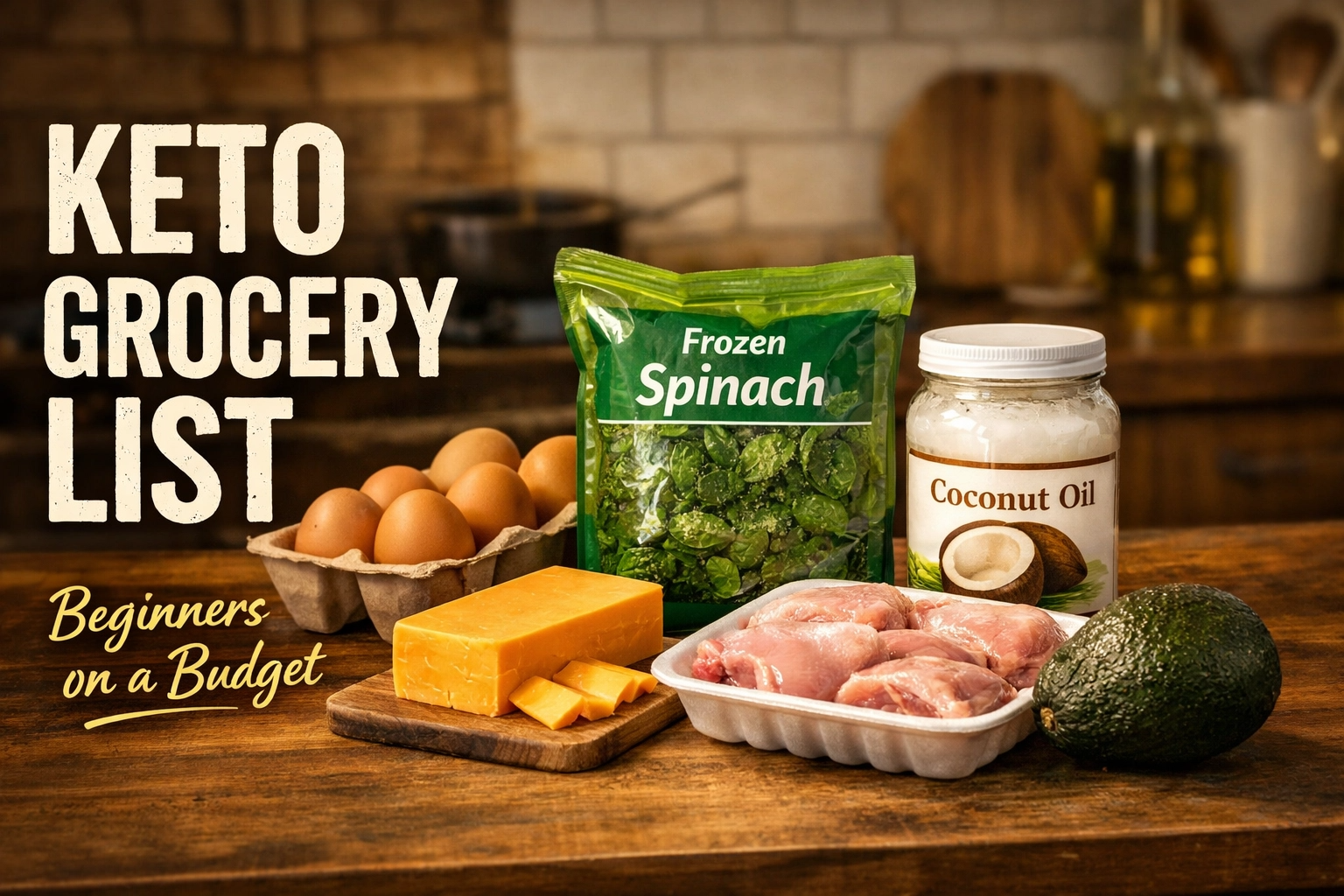
The ketogenic diet is often perceived as an expensive lifestyle reserved for those who can afford premium, organic, and specialized food products. However, a closer examination of the nutritional requirements of ketosis reveals that it is fundamentally rooted in simple, whole foods that are both accessible and affordable.
The ketogenic diet is a metabolic approach characterized by high fat, moderate protein, and very low carbohydrate intake. By restricting net carbohydrates — calculated as total carbohydrates minus fiber and sugar alcohols — to approximately 20 to 50 grams per day, the body transitions from glucose metabolism to ketosis. In this state, the liver produces ketones from fat, which serve as the primary energy source for the brain and body.
For beginners, the transition into ketosis can lead to a temporary condition known as the “keto flu,” characterized by fatigue and headaches. This is typically a result of electrolyte imbalances as the body sheds excess water. Maintaining adequate hydration and increasing the intake of sodium, potassium, and magnesium through whole foods or simple broths is essential during the initial phase.
Achieving nutritional ketosis on a budget requires a shift in purchasing habits and a focus on nutrient density rather than brand marketing.
Essential keto staples that are typically affordable and widely available. Focusing on these items allows for a diverse and sustainable diet without straining the budget.
- Eggs — buy in 18 or 30-count cartons
- Chicken thighs — bone-in, skin-on
- Whole chicken — roast for multiple meals
- Ground beef (80/20) — buy family packs
- Pork shoulder — cheapest cut per pound
- Bacon — buy ends and pieces in bulk
- Canned tuna / salmon — store brands
- Sardines — nutrient-dense and very cheap
- Butter — store brands are identical
- Extra virgin olive oil — buy large tins
- Coconut oil — great for high-heat frying
- Lard / tallow — very low cost at butchers
- Full-fat mayonnaise — check for zero sugar
- Cheddar / hard cheese — buy blocks, shred manually
- Cream cheese — store brand blocks
- Heavy whipping cream — use sparingly
- Sour cream — full-fat store brands
- Greek yogurt (plain) — buy large tubs
| Item | Budget Tip | Use Case |
|---|---|---|
| Salt (Sea or Pink) | Essential for electrolyte management. | Seasoning all meals. |
| Black Pepper | Buy whole peppercorns in bulk. | Basic seasoning. |
| Apple Cider Vinegar | Buy large bottles for multiple uses. | Dressings and digestive health. |
| Mustard (Yellow / Dijon) | Naturally low-carb and very cheap. | Condiment for meats. |
| Hot Sauce | Ensure no added sugar (e.g., Frank’s). | Adding heat to any dish. |
| Bouillon Cubes | Cheaper than buying pre-made broth. | Preventing “keto flu” and making soups. |
| Garlic / Onion Powder | Buy large containers in the spice aisle. | Flavoring meats and vegetables. |
| Coconut Aminos | Soy sauce substitute — widely available. | Stir-fries and marinades. |
Transitioning to a ketogenic lifestyle does not require a significant financial investment. By prioritizing whole, unprocessed foods and utilizing strategic shopping techniques, beginners can effectively reach their health goals on any budget.
This comprehensive list serves as a foundation for building a sustainable, budget-friendly keto pantry that supports long-term success. The most important step is the first one — and it starts at the perimeter of the grocery store.