
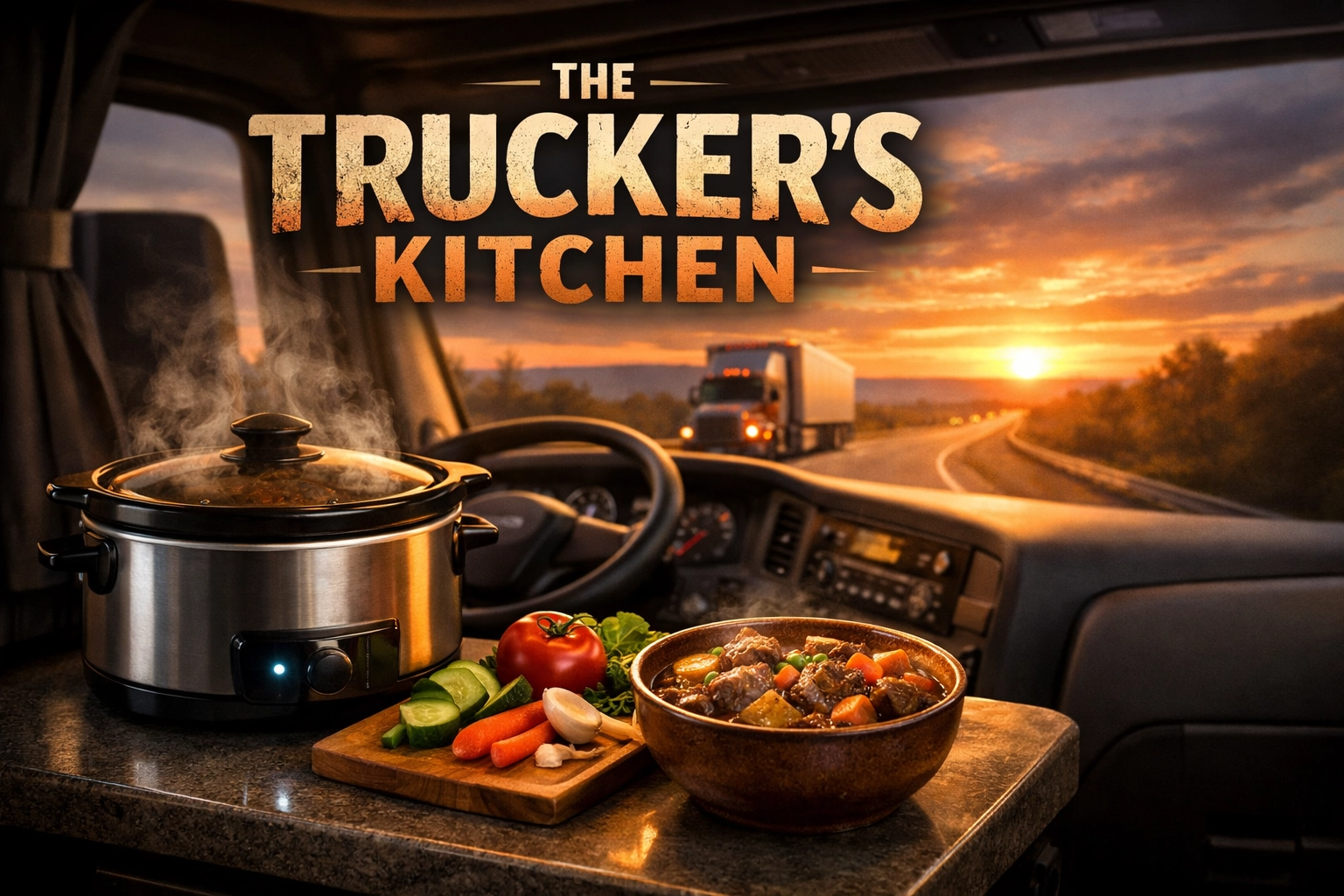
The Trucker’s Kitchen: Mastering the Road with Your Slow Cooker
Life on the road as a truck driver presents unique challenges, especially when it comes to maintaining a healthy and affordable diet. The constant movement, limited access to cooking facilities, and the allure of convenient but often unhealthy truck stop fare can make eating well a significant hurdle. Truck drivers frequently face the dilemma of choosing between expensive, calorie-dense meals at truck stops or relying on pre-packaged, processed foods that lack nutritional value.
The financial strain of eating out regularly can quickly add up. A single meal at a truck stop can cost anywhere from $15 to $25, leading to weekly food expenses that can easily exceed $250 . Over a month, this can translate into hundreds of dollars spent solely on food, significantly impacting a driver’s take-home pay. Beyond the cost, the nutritional quality of many truck stop offerings is often subpar, contributing to health issues common among long-haul drivers, such as obesity, heart disease, and diabetes.
This is where the humble slow cooker emerges as a game-changer for truck drivers. This versatile kitchen appliance offers a practical and efficient solution to many of these challenges. By harnessing the power of slow cooking, drivers can transform their truck cabs into mobile kitchens, enabling them to prepare nutritious, home-cooked meals with minimal effort and maximum savings.
The benefits of integrating a slow cooker into a truck driver’s routine are manifold:
Saves Money: Drastically reduces reliance on expensive truck stop meals, with home-cooked meals costing as little as $3–$7 each, potentially saving drivers $600–$800 or more per month .
Healthier Meals: Allows for complete control over ingredients, promoting balanced nutrition and reducing the intake of unhealthy fats, sugars, and sodium often found in fast food.
Minimal Cooking Effort: Requires simple preparation, often just a few minutes of chopping and combining ingredients, allowing the slow cooker to do the rest.
Can Cook While Driving: Many slow cookers designed for trucks can safely operate while the vehicle is in motion, ensuring a hot meal is ready upon arrival at a destination or during a break.
Embracing slow cooking on the road is not just about convenience; it’s about reclaiming control over one’s health and finances, making the demanding life of a truck driver a little easier and a lot more sustainable.
Choosing the Right Slow Cooker for a Truck
Selecting the appropriate slow cooker is crucial for a successful mobile kitchen setup. Not all slow cookers are created equal, especially when considering the unique environment of a truck cab. Several key features and types of cookers are particularly well-suited for life on the road.
Key Features to Look For
When shopping for a slow cooker for your truck, prioritize these characteristics:
12V or Travel Slow Cooker: These are specifically designed to plug into a truck’s 12-volt power outlet, eliminating the need for a separate power inverter for the cooker itself. If a standard slow cooker is used, a power inverter will be necessary.
Spill-Proof Lid: The motion of a moving truck makes a secure, spill-proof lid an absolute necessity to prevent messes and ensure safety. Look for lids with locking mechanisms or tight-fitting seals.
Small Capacity (1–2 Quarts): A smaller capacity is ideal for individual or two-person meals, fits better in confined truck spaces, and is easier to clean. Larger slow cookers may draw too much power or be impractical.
Energy Efficiency: Opt for models that consume less power to avoid draining the truck’s battery or overloading the electrical system. Most small slow cookers are inherently energy-efficient.
Easy Cleaning: Removable, dishwasher-safe stoneware inserts are a huge plus, simplifying cleanup on the road. Disposable liners can also be a lifesaver for quick and easy maintenance.
Best Types of Truck-Friendly Cookers
Based on the needs of truck drivers, certain types of slow cookers stand out:
12V Slow Cookers: These are purpose-built for vehicles. A popular example is the RoadPro 12-Volt 1.5 Quart Slow Cooker, which plugs directly into a 12V power port and features a removable stoneware crock and a glass lid with a securing strap . These are often the most straightforward option for truck use.
Lunchbox Slow Cookers (Portable Food Warmers): While not traditional slow cookers, devices like the HotLogic Mini are excellent for reheating pre-cooked meals or gently cooking smaller portions. They use conductive heat and are very energy-efficient, making them ideal for maintaining food temperature or slow-cooking single servings .
Portable Mini Crock Pots: These are compact versions of standard slow cookers, typically 1–2 quarts in size. If using one of these, ensure you have a suitable power inverter to convert the truck’s 12V DC power to 120V AC household power.
Essential Equipment for Cooking in a Truck
Beyond the slow cooker itself, a few other pieces of equipment will significantly enhance your mobile cooking experience and ensure safety and convenience.
Truck Power Inverter: If your slow cooker is not a 12V model, a power inverter is essential. A 150W–300W inverter is typically sufficient for most small slow cookers. Ensure it connects directly to your truck’s battery for stable power delivery, especially for higher wattage appliances.
Compact Slow Cooker: As discussed, a 1–2 quart capacity is ideal for space and power efficiency.
Food Storage Containers: Airtight, stackable containers are crucial for storing prepped ingredients and cooked leftovers. Glass containers are excellent for reheating and are non-reactive.
Small Cutting Board: A compact, durable cutting board is necessary for safe and hygienic food preparation.
Travel Knife: A sharp, multi-purpose travel knife with a sheath for safety is invaluable for chopping and slicing.
Disposable Liners for Easy Cleanup: Slow cooker liners can drastically reduce cleanup time, making them a favorite among busy drivers. Simply place the liner in the crock before adding ingredients, and discard it after cooking.
Truck Fridge or Cooler: Essential for keeping perishable ingredients fresh and storing cooked meals safely. A 12V portable fridge is a worthwhile investment for long hauls.
Simple Meal Prep Tips for the Road
Effective meal preparation is the cornerstone of successful slow cooking in a truck. A little planning before hitting the road can save significant time and effort, ensuring you always have healthy options available.
Prep Ingredients Before Trips: Before leaving home, chop vegetables, portion meats, and mix dry spice blends. Store these prepped ingredients in individual bags or containers, ready to be dumped into the slow cooker.
Use Frozen Vegetables: Frozen vegetables are a truck driver’s best friend. They are pre-cut, nutritious, and eliminate the need for extensive fresh produce storage. They can be added directly to the slow cooker without thawing.
Pre-Measure Spices: Create small sachets or containers with pre-measured spice blends for each recipe. This saves space and ensures consistent flavor without fumbling with multiple spice jars.
Cook Multiple Portions: Most slow cooker recipes yield multiple servings. Cook a larger batch and portion out the leftovers for future meals. This strategy maximizes efficiency and provides ready-to-eat options for several days.
Store Meals in a Truck Fridge or Cooler: Properly store prepped ingredients and cooked meals in a 12V truck fridge or a well-insulated cooler with ice packs to maintain food safety.
Best Slow Cooker Meals for Truck Drivers
Slow cookers excel at transforming simple ingredients into delicious, comforting meals. Here are some driver-friendly recipes, categorized by meal type, that are perfect for life on the road.
Breakfast Meals
Start your day right with a warm, nutritious breakfast that cooks overnight.
Overnight Oatmeal: Combine 1 part steel-cut oats with 3 parts liquid (water, milk, or a mix), a pinch of salt, cinnamon, and a touch of brown sugar or maple syrup. Cook on low for 7–8 hours. Add dried fruit or nuts in the morning .
Slow Cooker Breakfast Casserole: Layer frozen hash browns, cooked sausage or bacon, whisked eggs with a splash of milk and seasonings, and shredded cheese. Cook on low for 6–8 hours or high for 3–4 hours. This can be portioned for several breakfasts .
Sausage and Egg Scramble: A simpler version where you can cook sausage, peppers, and onions in the slow cooker, then stir in pre-whisked eggs towards the end of the cooking cycle until set.
Easy Lunch Ideas
Hearty and satisfying lunches to keep you fueled.
Chicken Tortilla Soup: Combine chicken breasts, a jar of salsa, a can of corn (drained), a can of black beans (rinsed), and chicken broth. Cook on low for 4–6 hours. Shred chicken before serving and top with crushed tortilla chips or cheese.
Beef and Vegetable Stew: Brown stew meat (optional, but adds flavor), then add to the slow cooker with chopped potatoes, carrots, celery, onions, and beef broth. Season with herbs like thyme and bay leaf. Cook on low for 6–8 hours.
Lentil Soup: A vegetarian-friendly option. Combine lentils, diced carrots, celery, onion, crushed tomatoes, vegetable broth, and your favorite herbs. Cook on low for 6–8 hours until lentils are tender.
Hearty Dinner Meals
Comforting dinners that are ready when you are.
Slow Cooker Chili: Brown ground beef or turkey, then add to the slow cooker with canned diced tomatoes, kidney beans, chili beans, onion, bell pepper, and chili seasoning. Cook on low for 6–8 hours. Serve with cheese or sour cream.
BBQ Pulled Chicken: Place chicken breasts in the slow cooker, cover with your favorite BBQ sauce, and a splash of Italian dressing for extra flavor. Cook on low for 4–6 hours until easily shredded. Serve on buns or wraps .
Pot Roast with Potatoes: A classic comfort food. Place a beef roast in the slow cooker with chopped potatoes, carrots, onions, and a packet of onion soup mix or beef broth. Cook on low for 8 hours until the meat is fork-tender.
Chicken and Rice: Combine chicken pieces (thighs or breasts), cream of mushroom soup, a can of chicken broth, and uncooked rice. Cook on low for 3-4 hours, or until rice is tender and liquid is absorbed.
High-Protein Meals for Long Drives
Maintain energy and satiety with these protein-packed options.
Turkey Chili: A leaner alternative to beef chili, packed with protein and fiber. Follow a similar recipe to beef chili, substituting ground turkey.
Shredded Beef Tacos: Cook a beef roast with taco seasoning and a little water or broth until shreddable. Serve in tortillas with your favorite toppings.
Garlic Chicken and Beans: Chicken breasts cooked with garlic, herbs, and a can of cannellini or great northern beans. A simple, flavorful, and protein-rich meal.
Quick 3-Ingredient Slow Cooker Recipes
For those days when time is exceptionally tight, these minimal-ingredient recipes are lifesavers.
Salsa Chicken: Chicken breasts + a jar of salsa + taco seasoning. Cook on low for 4-6 hours. Shred and serve .
BBQ Meatballs: Frozen meatballs + a bottle of BBQ sauce + a can of cranberry sauce or grape jelly. Cook on low for 2-3 hours until heated through and coated.
Creamy Ranch Chicken: Chicken breasts + a packet of ranch dressing mix + a can of cream of chicken soup. Cook on low for 4-6 hours. Serve over rice or noodles .
Sausage and Potatoes: Smoked sausage (sliced) + small potatoes (quartered) + a packet of onion soup mix. Cook on low for 4-6 hours until potatoes are tender.
Healthy Eating Tips for Truck Drivers
Beyond specific recipes, adopting a mindful approach to eating is key for long-term health on the road.
Balance Protein, Carbs, and Vegetables: Aim for meals that include a lean protein source, complex carbohydrates (like whole grains or vegetables), and plenty of fiber-rich vegetables. This balance provides sustained energy and essential nutrients.
Avoid Heavy Processed Foods: Minimize intake of foods high in unhealthy fats, added sugars, and excessive sodium. Focus on whole, unprocessed ingredients whenever possible.
Control Portion Sizes: Even healthy foods can contribute to weight gain if consumed in excess. Use smaller plates or bowls, and be mindful of serving sizes.
Stay Hydrated During Long Drives: Water is crucial for overall health and can help combat fatigue. Keep a reusable water bottle handy and refill it regularly. Limit sugary drinks and excessive caffeine.
Safety Tips When Using a Slow Cooker in a Truck
Safety is paramount when operating any appliance in a moving vehicle. Follow these guidelines to ensure a safe cooking experience.
Secure the Cooker to Prevent Spills: Use bungee cords, non-slip mats, or a designated space to firmly secure your slow cooker while the truck is in motion. This prevents it from tipping over and spilling hot contents.
Avoid Overfilling: Never fill the slow cooker beyond two-thirds full. Overfilling can lead to spills, especially with the movement of the truck, and can also affect cooking performance.
Monitor Power Usage: Be aware of your slow cooker’s wattage and your inverter’s capacity. Avoid running multiple high-wattage appliances simultaneously to prevent overloading your truck’s electrical system or draining the battery.
Use Tight Lids: Ensure your slow cooker has a tight-fitting or locking lid to contain heat and prevent splashes. Some travel slow cookers come with lid straps for added security.
Turn Off When Parked for Long Periods: If you’re going to be parked for an extended period and won’t be monitoring the cooker, it’s best to turn it off and unplug it. This conserves battery power and prevents potential issues.
Ventilation: Ensure adequate ventilation in your cab, especially when cooking, to prevent condensation buildup and maintain air quality.
Cost Comparison: Home-Cooked vs Truck Stop Meals
The financial benefits of slow cooking on the road are substantial. Let’s break down the potential savings.
| Meal Type | Average Cost Per Meal | Estimated Weekly Cost (7 days) | Estimated Monthly Cost (30 days) | Potential Annual Savings |
| Truck Stop Meal | $15 – $25 | $105 – $175 | $450 – $750 | – |
| Slow Cooker Meal | $3 – $7 | $21 – $49 | $90 – $210 | Up to $6,480 – $9,600 |
Note: These are estimates and can vary based on ingredient costs, meal choices, and portion sizes.
As the table illustrates, the difference is dramatic. By investing a small amount of time in meal prep and utilizing a slow cooker, truck drivers can save hundreds of dollars each month, which can be reallocated to savings, family, or other necessities. The initial investment in a slow cooker and a good inverter quickly pays for itself.
Weekly Slow Cooker Meal Plan for Drivers
Here’s an example of a 5-day meal plan designed for truck drivers, maximizing the use of a slow cooker and minimizing daily effort:
| Day | Meal | Prep Notes |
| Monday | Beef Stew | Chop beef, potatoes, carrots, celery, onion at home. Combine with beef broth and seasonings in a bag. Dump into slow cooker in the morning. |
| Tuesday | Chicken and Rice | Use leftover cooked chicken from a previous meal or fresh chicken breasts. Combine with cream of mushroom soup, chicken broth, and uncooked rice. |
| Wednesday | Chili | Brown ground meat at home. Combine with canned tomatoes, beans, and chili seasoning in a container. Dump into slow cooker. |
| Thursday | BBQ Pulled Chicken | Place chicken breasts in slow cooker with BBQ sauce and Italian dressing. Shred when cooked. Serve on buns or wraps. |
| Friday | Vegetable Soup | Use a bag of frozen mixed vegetables, canned diced tomatoes, vegetable broth, and your favorite herbs. Add a can of drained beans for extra protein. |
This plan demonstrates how versatile a slow cooker can be, providing a variety of meals throughout the week with minimal fuss.
Final Thoughts
The life of a truck driver is demanding, but managing nutrition and finances doesn’t have to be another burden. The slow cooker offers a powerful, yet simple, solution to many of the challenges associated with eating on the road. It empowers drivers to take control of their diet, enjoy healthier, more satisfying meals, and achieve significant financial savings.
From hearty breakfasts to comforting dinners, the possibilities with a slow cooker are vast. With a little planning, the right equipment, and adherence to safety guidelines, truck drivers can transform their daily routine, making life on the road not just easier, but also healthier and more economical. Embrace the slow cooker – your mobile kitchen awaits!