
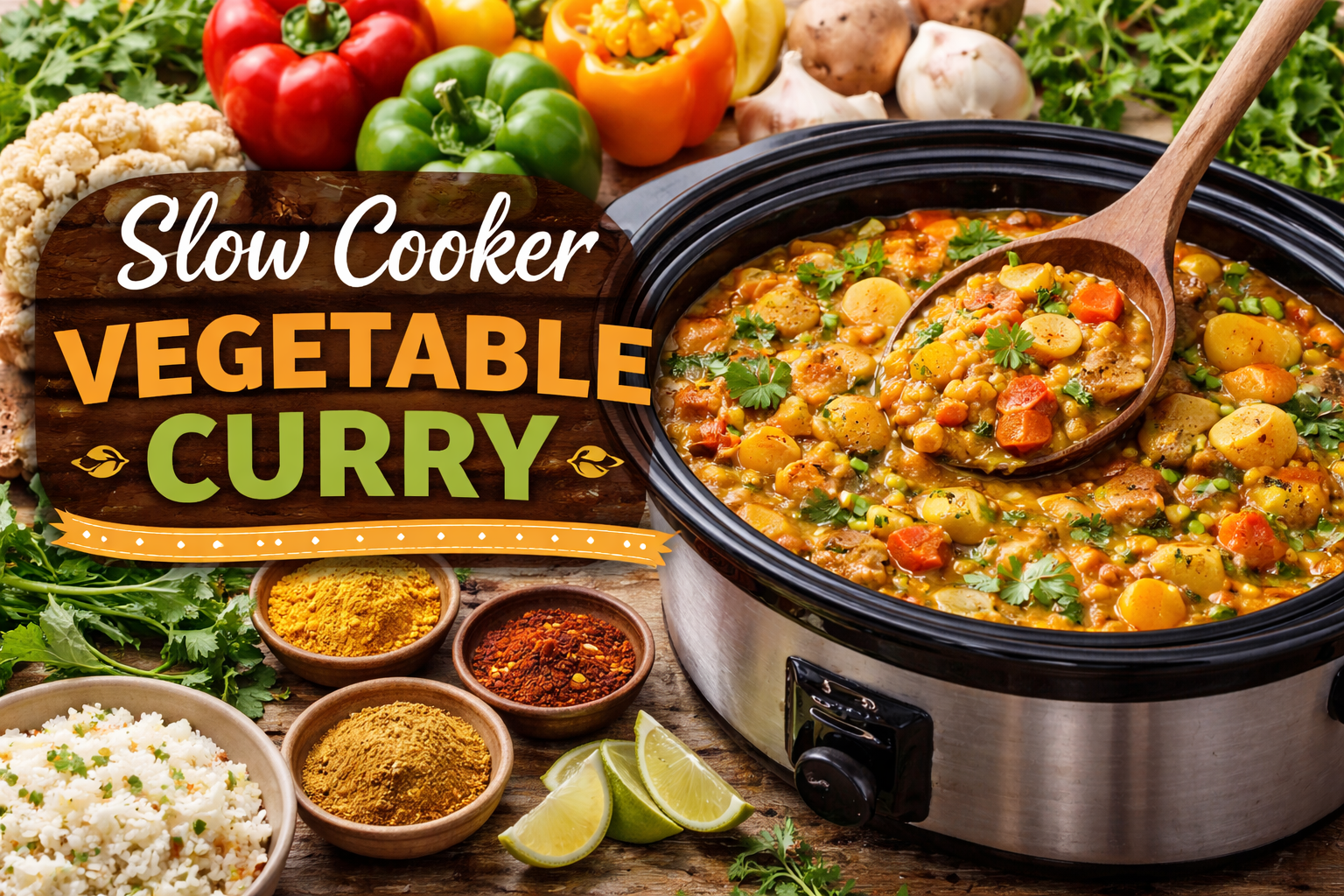
At its heart, this slow cooker vegetable curry is a celebration of wholesome, plant-based ingredients. It’s a healthy, hearty, and incredibly satisfying option that caters to a variety of dietary preferences, including vegan and gluten-free. The beauty of using a slow cooker lies in its ability to transform simple vegetables and spices into a deeply flavorful and tender stew, all while you go about your day. The gentle, consistent heat ensures that every ingredient melds together, creating a symphony of tastes that is both comforting and exotic. This method also allows for a significant reduction in active cooking time, making it an ideal choice for busy weeknights or leisurely weekends.
Why You’ll Love This Recipe
There are countless reasons why this slow cooker vegetable curry is destined to become a staple in your kitchen. Its appeal extends beyond just its delicious taste, encompassing convenience, versatility, and nutritional benefits.
Simple Preparation: One of the most compelling aspects of this recipe is its straightforward preparation. With just a bit of chopping and combining, you can set your slow cooker and let it do all the heavy lifting. This hands-off approach frees up your time, allowing you to focus on other tasks or simply relax.
Budget-Friendly Ingredients: This curry relies on readily available and affordable vegetables, making it an economical choice for feeding yourself or your family. You can easily adapt the recipe to use seasonal produce or whatever you have on hand, further reducing costs and food waste.
Packed with Vegetables and Nutrients: A vibrant array of vegetables forms the core of this dish, ensuring each serving is brimming with essential vitamins, minerals, and fiber. It’s a delicious way to boost your daily vegetable intake and support overall health.
Perfect for Meal Prep: The slow cooker vegetable curry is an excellent candidate for meal prepping. It reheats beautifully, often tasting even better the next day as the flavors continue to deepen. Prepare a large batch on the weekend, and enjoy wholesome meals throughout the week.
Customizable Spice Levels: Whether you prefer a mild, subtly spiced curry or one with a fiery kick, this recipe is incredibly adaptable. You can easily adjust the amount of curry paste or powder, and even add fresh chilies, to suit your personal preference.
PrintSlow Cooker Vegetable Curry
In the bustling rhythm of modern life, finding time to prepare nutritious and flavorful meals can often feel like a daunting challenge. This is where the slow cooker vegetable curry emerges as a culinary hero. Imagine coming home to the aromatic embrace of a rich, simmering curry, cooked to perfection with minimal effort. This dish is not just a meal; it's a testament to the power of hands-off cooking, delivering deep, complex flavors that develop beautifully over hours.
Ingredients
- Crafting a memorable slow cooker vegetable curry begins with selecting the right ingredients. The combination of fresh produce (aromatic spices, and creamy coconut milk creates a harmonious and satisfying dish.)
- Main Ingredients
- Mixed Vegetables: The foundation of any good vegetable curry. Think hearty options like carrots (potatoes (Yukon Gold or red potatoes work well), and cauliflower florets. Peas are also a classic addition, offering a touch of sweetness and vibrant color. Other excellent choices include broccoli, green beans, and bell peppers.)
- Onion: A foundational aromatic that provides a sweet and savory base. Yellow or red onions are suitable.
- Garlic: Essential for depth of flavor. Freshly minced garlic is always best.
- Ginger: Adds a warm (pungent, and slightly spicy note that is characteristic of many curries. Freshly grated ginger is highly recommended.)
- Coconut Milk: The key to a rich (creamy, and dairy-free curry. Full-fat coconut milk will yield the most luxurious texture and flavor. Light coconut milk can be used for a lighter version, but may result in a thinner consistency.)
- Curry Paste or Curry Powder: This is where the magic happens (providing the distinctive curry flavor. Red or green curry paste offers a more intense and authentic taste, while curry powder is a convenient and versatile option. Choose a brand you enjoy and adjust the quantity to your spice preference.)
- Vegetable Broth: Used to thin the curry to your desired consistency and add another layer of savory flavor. Ensure it’s low-sodium to control the overall saltiness of the dish.
- Optional Add-ins
- To enhance the nutritional profile and texture of your curry (consider incorporating these delicious additions:)
- Chickpeas or Lentils: Excellent sources of plant-based protein and fiber (making the curry even more filling and satisfying. Add rinsed and drained canned chickpeas towards the end of cooking, or dried lentils at the beginning with the other vegetables.)
- Spinach or Kale: Wilted greens add a boost of vitamins and a lovely color. Stir them in during the last 10-15 minutes of cooking.
- Bell Peppers: Sliced bell peppers (any color add sweetness and a pleasant crunch. Add them in the last hour of cooking to prevent them from becoming too soft.)
- Sweet Potatoes: A fantastic alternative or addition to regular potatoes (offering a different flavor profile and additional nutrients.)
- Spices and Seasonings
- While curry paste or powder provides the primary flavor (a few additional spices can elevate your curry to new heights:)
- Turmeric: Imparts a beautiful golden color and offers anti-inflammatory benefits.
- Cumin: Adds an earthy (warm flavor.)
- Coriander: Offers a citrusy (slightly sweet note.)
- Garam Masala: A fragrant blend of ground spices (typically added at the end of cooking to brighten the flavors. It’s particularly common in Indian-style curries.)
- Salt and Pepper: Essential for seasoning and balancing all the flavors. Always taste and adjust as needed.
Instructions
- Follow these simple steps to create a mouthwatering slow cooker vegetable curry that will impress your taste buds and simplify your mealtime routine.
- Step 1: Prepare the Vegetables
- Begin by washing all your fresh vegetables thoroughly. Peel any vegetables that require it, such as carrots and potatoes. Then, chop all the vegetables into roughly 1-inch pieces. It’s important to cut them into similar sizes to ensure even cooking. For harder vegetables like potatoes and carrots, you might want to cut them slightly smaller than softer ones like cauliflower or zucchini to ensure they become tender at the same rate.
- Step 2: Add Ingredients to the Slow Cooker
- This is where the magic of the slow cooker truly shines. There’s no need for sautéing or pre-cooking (though a quick sauté of onions and garlic can deepen flavors if you have the time). Simply layer your ingredients directly into the slow cooker pot. Start with the harder vegetables at the bottom, such as potatoes and carrots, as they will be closer to the heat source and benefit from longer cooking. Follow with the aromatics like chopped onion, minced garlic, and grated ginger. Then, add the remaining vegetables, coconut milk, vegetable broth, curry paste or powder, and all your chosen spices (turmeric, cumin, coriander, garam masala, salt, and pepper). Give everything a good stir to combine, ensuring the vegetables are well coated in the curry mixture.
- Step 3: Cook the Curry
- Cover your slow cooker and set it to your desired cooking time. For a slow and steady cook that allows flavors to fully develop, cook on low for 6–8 hours. If you’re short on time, you can cook on high for 3–4 hours. The cooking time may vary slightly depending on your slow cooker model and the size of your vegetable pieces. The curry is ready when the vegetables are tender and easily pierced with a fork.
- Step 4: Final Touches
- Once the curry has finished cooking, give it a gentle stir. This is the perfect time to incorporate any delicate vegetables like fresh spinach or kale, allowing them to wilt into the hot curry for the last 10-15 minutes. Taste the curry and adjust the seasoning as needed. You might want to add more salt, a squeeze of lime juice for brightness, or a pinch more garam masala to enhance the aroma. If the curry is too thin, you can thicken it by mashing a few of the cooked potatoes or chickpeas against the side of the pot, or by stirring in a cornstarch slurry (1 tablespoon cornstarch mixed with 2 tablespoons cold water) during the last 30 minutes of cooking on high.
Tips for the Best Vegetable Curry
Achieving a truly exceptional slow cooker vegetable curry involves a few key techniques and considerations:
- Cut Vegetables into Similar Sizes for Even Cooking: As mentioned in the preparation steps, consistency in chopping is crucial. Harder vegetables like potatoes and carrots should be cut into smaller pieces than softer ones like zucchini or bell peppers to ensure everything cooks through evenly and no vegetable becomes mushy while others are still firm.
- Add Delicate Vegetables Later in Cooking: Ingredients such as spinach, kale, or even bell peppers can become overly soft or lose their vibrant color if cooked for the entire duration. Stir them in during the last 30-60 minutes on high, or the last hour on low, to maintain their texture and freshness.
- Use Full-Fat Coconut Milk for Richer Flavor: While light coconut milk is an option for reducing calories, full-fat coconut milk provides a much creamier texture and a more robust, satisfying flavor that is characteristic of a truly indulgent curry. The healthy fats in full-fat coconut milk also help to carry the flavors of the spices.
- Toast Spices Before Adding (Optional for Extra Flavor): For an extra layer of depth and aroma, consider lightly toasting whole spices (like cumin seeds, coriander seeds, or cardamom pods) in a dry pan for a minute or two until fragrant before grinding them or adding them to the slow cooker. This process releases their essential oils and intensifies their flavor. If using ground spices, a quick sauté with the onions and garlic at the beginning can also enhance their aroma.
- Don’t Overfill Your Slow Cooker: Ensure there’s enough space for the ingredients to simmer gently without overflowing. A good rule of thumb is to fill your slow cooker no more than two-thirds full.
- Consider a Sauté Step for Aromatics: While not strictly necessary for a slow cooker, briefly sautéing the onions, garlic, and ginger in a pan before adding them to the slow cooker can build a deeper flavor base. This step allows the aromatics to caramelize slightly, adding complexity to the final dish.
Variations
The beauty of vegetable curry lies in its incredible versatility. You can easily adapt this base recipe to explore different flavor profiles and cuisines.
Thai-Style Curry
To transform your curry into a vibrant Thai-inspired dish, use Thai curry paste (red or green) as your primary flavoring agent. Enhance the bright, zesty notes by adding a generous squeeze of lime juice at the end of cooking. You might also consider incorporating ingredients like lemongrass, kaffir lime leaves, and a touch of brown sugar or maple syrup to balance the flavors. Serve with fresh cilantro and a sprinkle of crushed peanuts.
Indian-Style Curry
For a rich and aromatic Indian-style curry, lean into classic Indian spices. In addition to turmeric, cumin, and coriander, garam masala is a must-add, typically stirred in at the end for its fragrant warmth. Incorporate diced tomatoes (canned or fresh) for a tangy depth, and consider a pinch of asafoetida (hing) for an authentic touch. Serve with warm naan bread and a dollop of plain yogurt (dairy or non-dairy).
Protein-Rich Version
Boost the protein content of your curry to make it even more substantial. Chickpeas are an excellent choice, offering a satisfying texture and plant-based protein. Simply add a can of rinsed and drained chickpeas during the last hour of cooking. Lentils (red or brown) can be added at the beginning with the other vegetables, as they require longer cooking times. For a soy-based option, firm or extra-firm tofu, pressed and cubed, can be added during the last hour of cooking to absorb the curry flavors.
What to Serve with Vegetable Curry
A delicious curry deserves equally delightful accompaniments. These serving suggestions will complete your meal and provide a perfect balance of textures and flavors.
- Steamed Basmati Rice: The classic choice. Its fragrant aroma and fluffy texture perfectly complement the rich curry sauce.
- Brown Rice: A healthier, whole-grain alternative that adds a nutty flavor and more fiber.
- Naan or Flatbread: Ideal for scooping up every last drop of the flavorful sauce. Warm them slightly before serving.
- Quinoa: A protein-rich grain that makes for a nutritious and satisfying side.
- Cauliflower Rice: A low-carb option that pairs well with the curry.
- Fresh Herbs: A sprinkle of fresh cilantro or parsley adds a burst of freshness and color.
- Lime Wedges: A squeeze of fresh lime juice brightens the flavors of the curry.
Storage and Reheating
This slow cooker vegetable curry is fantastic for meal prep, and knowing how to properly store and reheat it ensures you can enjoy its deliciousness for days to come.
- Refrigerator: Store any leftover curry in an airtight container in the refrigerator for up to 4 days. The flavors often deepen and improve overnight.
- Freezer: For longer storage, allow the curry to cool completely, then transfer it to freezer-safe containers or bags. It can be frozen for up to 3 months. Thaw overnight in the refrigerator before reheating.
- Reheating: To reheat, gently warm the curry on the stovetop over medium-low heat, stirring occasionally, until heated through. You may need to add a splash of vegetable broth or water to reach your desired consistency. Alternatively, you can reheat individual portions in the microwave until hot.
Nutrition Benefits
Beyond its incredible taste and convenience, this slow cooker vegetable curry offers a wealth of nutritional advantages, making it a smart choice for a healthy lifestyle.
- High in Fiber: Packed with a variety of vegetables and often legumes like chickpeas or lentils, this curry is an excellent source of dietary fiber. Fiber is crucial for digestive health, helps regulate blood sugar levels, and contributes to a feeling of fullness, aiding in weight management.
- Rich in Vitamins and Minerals: The diverse range of vegetables ensures a broad spectrum of essential vitamins (such as Vitamin A, C, K, and B vitamins) and minerals (like potassium, magnesium, and iron). These nutrients are vital for immune function, energy production, bone health, and countless other bodily processes.
- Plant-Based and Dairy-Free: This recipe is naturally plant-based, making it suitable for vegans and those looking to reduce their consumption of animal products. The use of coconut milk provides creaminess without any dairy, making it an excellent option for individuals with lactose intolerance or dairy allergies.
- Can Be Gluten-Free: By ensuring your curry paste/powder and vegetable broth are certified gluten-free, this dish easily becomes a safe and delicious option for individuals with celiac disease or gluten sensitivity.
- Antioxidant-Rich: Many of the ingredients, particularly turmeric and a variety of colorful vegetables, are rich in antioxidants. Antioxidants help protect your cells from damage caused by free radicals, contributing to overall health and potentially reducing the risk of chronic diseases.
Frequently Asked Questions (FAQs)
Here are answers to some common questions about making slow cooker vegetable curry:
Q: Can I use frozen vegetables?
A: Yes, you can absolutely use frozen vegetables in your slow cooker curry. For best results, add them during the last 1-2 hours of cooking, especially softer frozen vegetables like peas or corn, to prevent them from becoming mushy. Harder frozen vegetables like carrots or potatoes can be added earlier.
Q: Can I make this curry spicy?
A: Absolutely! To increase the spice level, you can add more curry paste or powder. For an extra kick, consider stirring in some red pepper flakes, a pinch of cayenne pepper, or finely chopped fresh chilies (like bird’s eye chilies) along with the aromatics.
Q: Can I cook it on the stovetop instead?
A: While designed for the slow cooker, you can adapt this recipe for the stovetop. Sauté the onions, garlic, and ginger in a large pot or Dutch oven. Add the curry paste/powder and cook for a minute until fragrant. Then, add the harder vegetables, broth, and coconut milk. Bring to a simmer, then reduce heat, cover, and cook for 20-30 minutes, or until vegetables are tender. Add softer vegetables and greens towards the end.
Q: How do I thicken the curry?
A: There are several ways to thicken your slow cooker curry. You can:
- Mash some vegetables: Towards the end of cooking, use a fork or potato masher to gently mash some of the cooked potatoes or chickpeas against the side of the pot. This will release starches and naturally thicken the sauce.
- Cornstarch slurry: Mix 1 tablespoon of cornstarch with 2 tablespoons of cold water until smooth. Stir this slurry into the curry during the last 30 minutes of cooking on the high setting.
- Nut butter: A tablespoon or two of peanut butter or almond butter can add richness and help thicken the curry, while also adding a subtle nutty flavor.
Q: Do I need to sauté the onions first?
A: While not strictly necessary for a slow cooker recipe, briefly sautéing the onions, garlic, and ginger in a pan before adding them to the slow cooker can help develop a deeper, more complex flavor base. This step allows the aromatics to caramelize slightly, enhancing the overall taste of the curry. If you’re short on time, you can skip this step, and the curry will still be delicious.
Q: How long does it last in the fridge?
A: When stored in an airtight container, slow cooker vegetable curry will last for up to 4 days in the refrigerator.
Conclusion
This slow cooker vegetable curry is more than just a recipe; it’s a gateway to effortless, flavorful, and nutritious eating. Its simplicity, adaptability, and the sheer joy of a hands-off cooking process make it an invaluable addition to any home cook’s repertoire. From its vibrant array of vegetables to its rich, aromatic sauce, every spoonful offers comfort and satisfaction.
We encourage you to try this recipe and make it your own. Experiment with different vegetables, adjust the spice levels to your liking, and discover the endless possibilities this versatile dish offers. Whether you’re a seasoned chef or a kitchen novice, this slow cooker vegetable curry promises a delicious and rewarding culinary experience that will nourish both body and soul. Enjoy the journey of creating and savoring this delightful plant-based masterpiece!